- Varied and widespread molecules
- Proven SUEZ treatment solutions
- A dozen micropollutant treatment units
Micropollutants: what are we talking about and where do they come from?
They come mainly from human activities: domestic uses (household products, medicines), agriculture (pesticides), industry, transport and crafts. These molecules, sometimes new or emerging, are present in water in extremely low concentrations in the water cycle and can be detected in surface water, groundwater, but also in wastewater treatment plants where traditional processes do not always allow them to be completely eliminated.
Why treat micropollutants?
Some micropollutants are endocrine disruptors, some can harm aquatic organisms and present risks to human health, in particular because of the "cocktail" effects caused by the combination of several substances.
This is why European regulations, via major directives such as the Water Framework Directive (WFD), the Drinking Water Directive and the Urban Waste Water Directive (DERU 2), are implementing progressive requirements to reduce their presence in the environment.
We participate in several national and international programs aimed at guaranteeing the good ecological status of aquatic environments and water distributed in a sustainable and efficient manner.
Our high-performance solutions for eliminating micropollutants
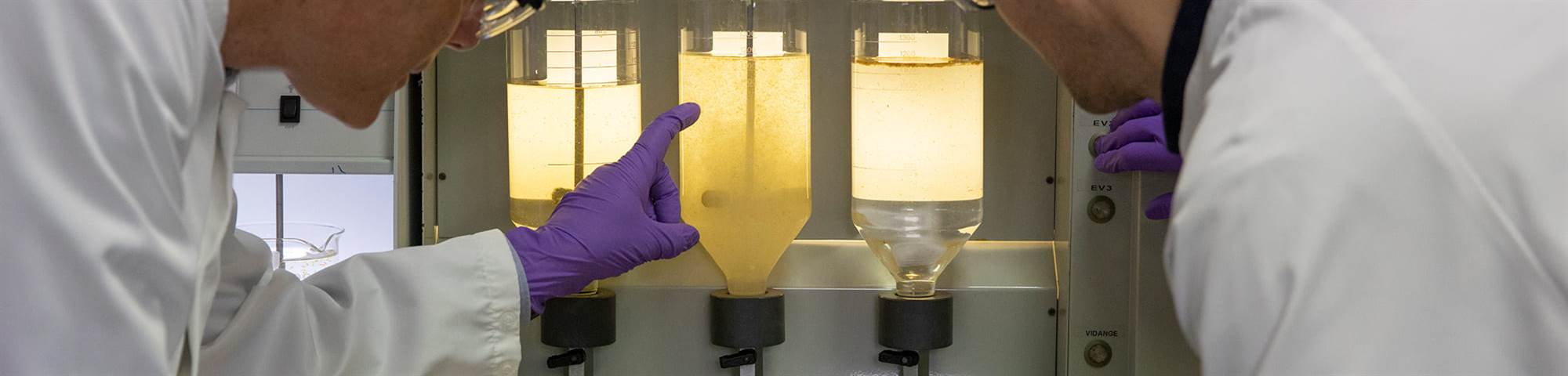
Aware of the complexity of this challenge, we offer high-performance solutions, adapted to each type of resource and pollution.
On drinking water production plants, the regulated micropollutants are a little different from those monitored on wastewater treatment plants. Conventional refining technologies on activated carbon, sometimes supplemented by oxidation, as well as low-pressure Reverse Osmosis membrane systems make it possible to achieve the required levels of treatment.
Wastewater treatment plants are transit and capture points for micropollutants. Conventional biological processes eliminate 20 to 40% of it before discharge into the natural environment. This performance depends on the compounds treated, the treatment processes and the level of conventional purification implemented (carbon and/or nitrogen removal). To eliminate more micropollutants, complementary treatments, sometimes combined, can be implemented. Adsorption and/or chemical oxidation in the refining treatment is a good technical and economic compromise. These technologies ensure high removal rates, up to 95% depending on the compound to be processed.
We support you in meeting regulatory requirements and anticipating future developments, while optimising costs, thanks to our high-performance processing solutions.

Our R&D commitment for more than 20 years
This scientific monitoring and our databases feed our ability to offer you innovative and sustainable solutions that protect water quality for all.
To find out more or to be supported in your projects related to micropollutants, contact our experts who will be able to offer you the solution best suited to your territory and your challenges.
.jpg?h=1439&w=2560&v=1&d=00010101T000000Z&format=jpg&crop=0&hash=E8071C642D525020F0E3A44082C51207)
They trust us
Valbonne (Sophia Antipolis): 1st reference on the treatment of micropollutants in wastewater
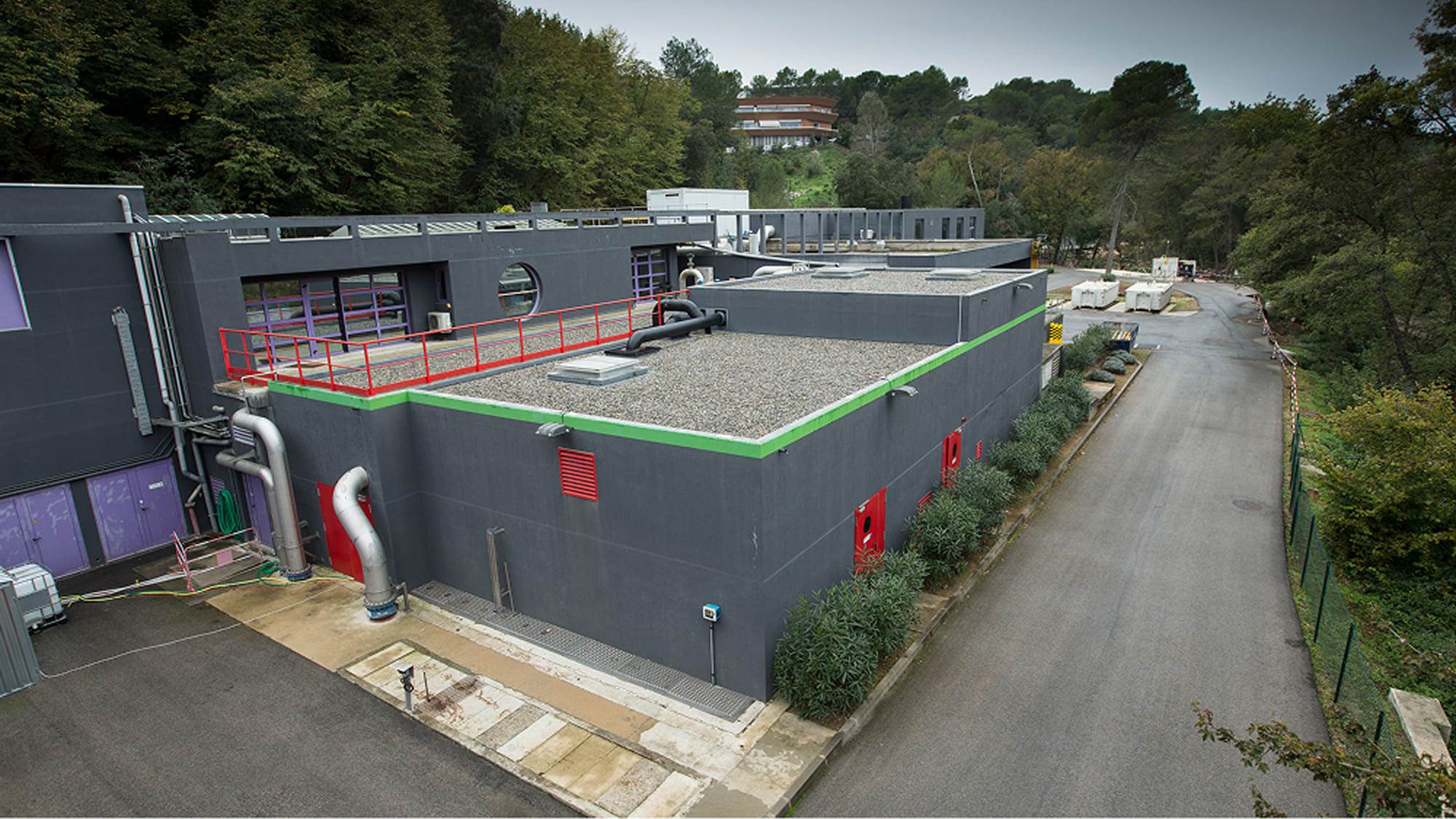
The Bouillides wastewater treatment plant, on the Sophia Antipolis site, commissioned in the spring of 2012, is the first installation in France and one of the first in the world to have been equipped with a system designed to remove micropollutants from water. The plant thus guarantees the protection of the receiving environment and the water table used for the production of drinking water.
Placed between the biological treatment stages of nitrification and denitrification carried out by biofiltration, ozonation was perfectly integrated into the existing system. SUEZ proposed the installation of an ozone generator that could be adjusted in terms of capacity and that was perfectly adapted to the challenges of the plant's development.
The treatment process guarantees a minimum micropollutant removal efficiency of more than 80% for 33 substances listed in the WFD.

Frequently asked questions
European directives, such as the Water Framework Directive, the Drinking Water Directive and the Urban Waste Water Directive (DERU2), set requirements for quality and the gradual reduction of micropollutants. These directives are transposed into national law of the different European countries.
In France
For example, the transposition in French law, which regularly incorporates new parameters, particularly for PFAS, bisphenol A and pesticides, in order to better protect health and the environment.
A Micropollutant Plan to preserve water quality and biodiversity has been drawn up by the Ministries of Ecology, Health and Agriculture, with the support of the relevant stakeholders (members of the steering committees of the previous plans, the central administrations of the three ministries concerned, the OFB, the CEREMA and the health agencies). The plan was updated in 2020.