As global energy demand continues to rise (+60% over 25 years according to the International Energy Agency), regions are more exposed than ever to market volatility. Heat, electricity, steam or biogas: we produce local energy from waste and wastewater. These competitive and sustainable energy sources contribute to the energy transition of the region and the manufacturers that set up and grow their businesses there.
Modernising our EfW plants for increased energy generation
Market leader in turning waste into energy in France, we continue to invest and innovate to improve the performance of our energy-from-waste plants (EfW) and reduce their environmental impact.

Following modernisation and expansion works, the Taden EfW plant (France) will process up to 150,000 tonnes of non-recyclable household waste per year, compared to 106,500 previously, and will generate up to 99 GWh of electricity per year.
At the same time, the new dry flue gas treatment process will reduce the EfW plant’s water consumption from the mains supply by 96%.
-96%
of network water consumption by the Efw plant
In Argenteuil (France), we are upgrading the Energy Recovery Centre (ERC) to meet the energy transition targets of the AZUR authority.
The modernisation of this facility, capable of processing 206,000 tonnes of waste per year, will increase electricity and heat production by 20%, bringing the amount of electricity fed into the grid to 72 GWh per year – equivalent to the consumption of 15,000 households – whilst increasing the amount of heat recovered for local district heating networks. In addition, a new dry flue gas treatment system will reduce the ERC’s water consumption by 73%, enabling it to achieve zero liquid discharge.
+ 20 %
Increase in electricity and heat production thanks to the modernisation of the Argenteuil ERC

Turning sewage sludge into a local energy resource
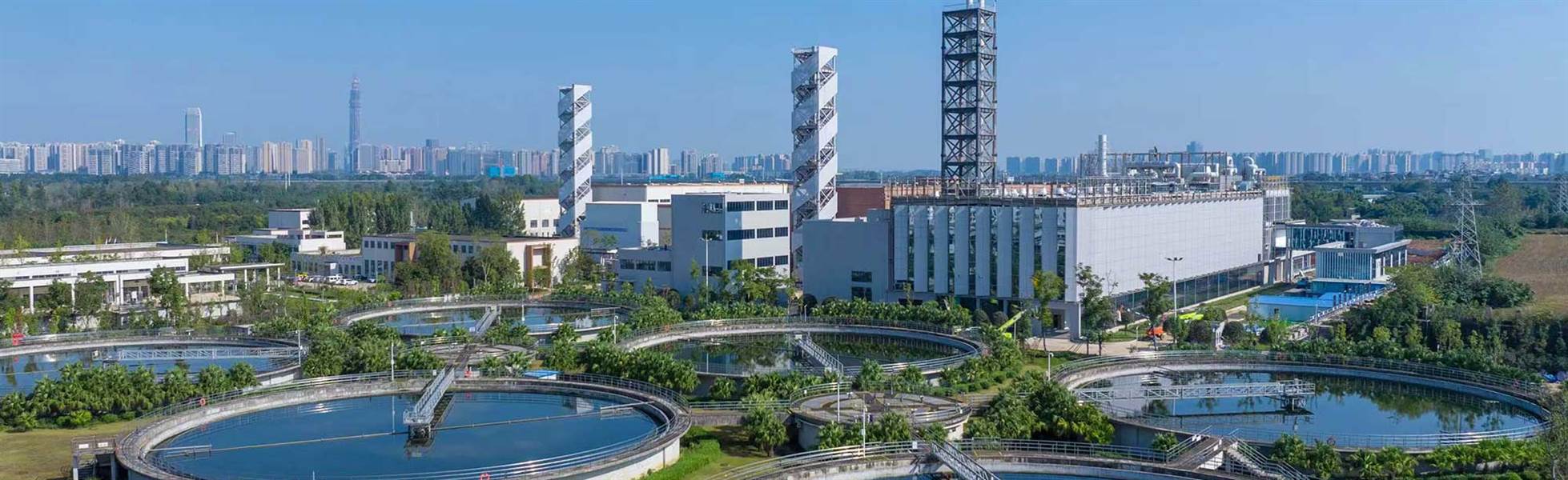
The treatment of the growing volume of sewage sludge in the city of Chengdu, China, required a large-scale solution that was stable, reliable, and respectful of the urban environment.

The project to expand the city’s sludge treatment plant presented several challenges: complex technological integration to incinerate sludge within an existing facility, sludge with different characteristics coming from several wastewater treatment plants, and an extremely short construction timeframe. Our solution employs a combination of advanced technologies, making the plant the largest sludge incineration facility in south-west China. The treatment process safely and reliably stabilises and eliminates sludge while recovering energy that is reused within the process.
Our expertise, combined with rigorous technical management, enabled the reduction of total construction time from 24 to 14 months. This project sets a new regional standard for sewage sludge treatment.
1,400
tonnes per day
Sewage sludge treatment capacity at the Chengdu plant
And also... our impact seen by

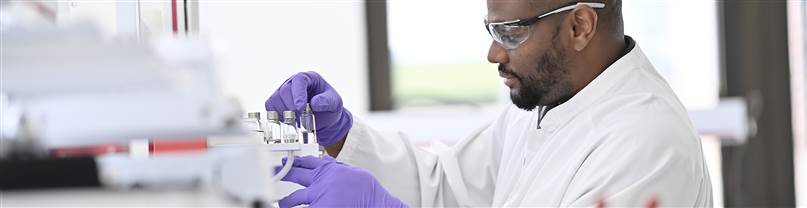
For over 40 years, we have been building and operating anaerobic digestion plants to produce and recover biogas. Anaerobic digestion is now one of the main methods for recovering bio-waste and sewage sludge, enabling local communities to benefit from local renewable energy through the biogas produced. We have created the BioResourceLab to further improve the performance of anaerobic digestion and composting processes, as well as to open up new avenues for the recovery of organic waste – in bioenergy, biofuels, biomaterials and even molecules for green chemistry. Our multidisciplinary teams – researchers, engineers, technicians and PhD students – carry out experimental tests at various scales, from the laboratory to larger-scale pilot projects and on to industrial sites in France and across Europe.Marion Crest, Head of the Bioresources Division at CIRSEE, SUEZ
Discover our other stories that are making a difference

Discover
Discover
Discover
Discover
Discover

Discover