Discover
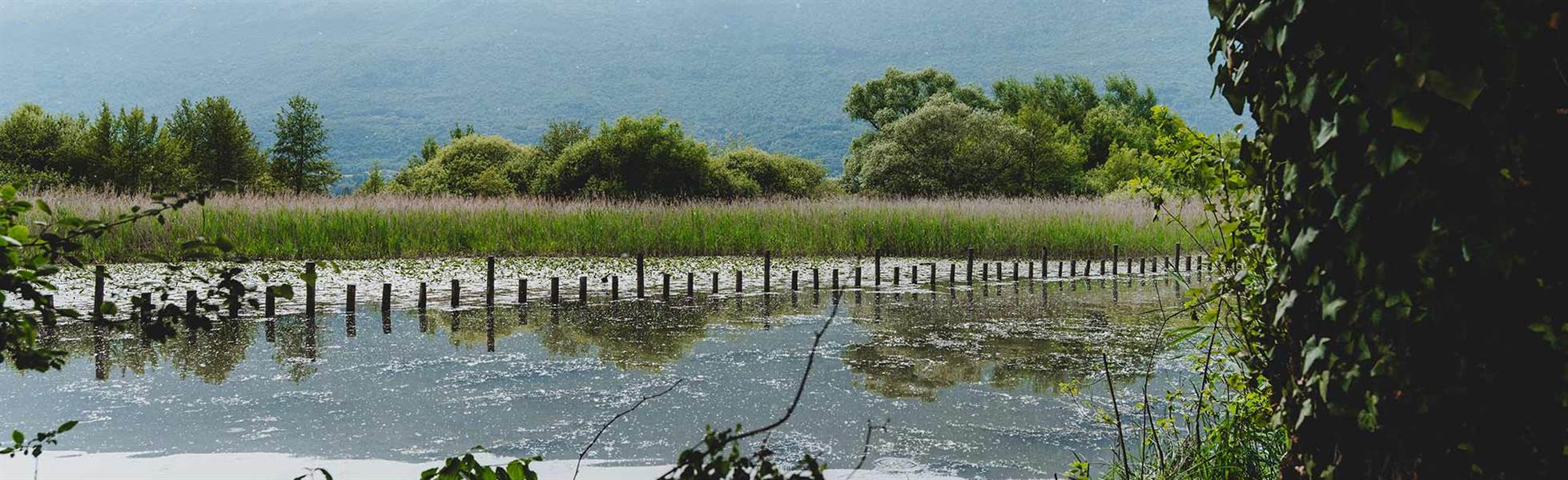

Among the eight projects we lead worldwide, the Aqua Renova programme, implemented with the town of Hyères (France) and the Toulon Provence Méditerranée Metropolis since 2015, has proven its effectiveness. The over-exploitation of groundwater has reduced the availability of freshwater in many areas. Along coastlines, falling groundwater levels can lead to saltwater intrusion, which jeopardises the production of drinking water.
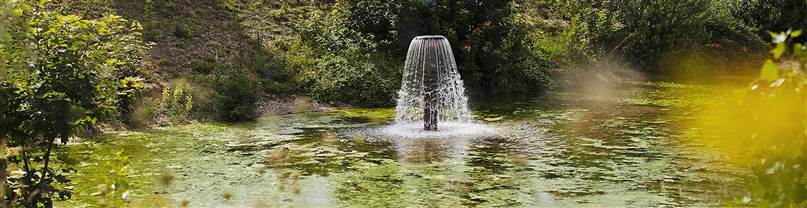
The MAR technique, inspired by the natural water cycle, involves introducing available fresh water, in a controlled manner, into groundwater aquifers to boost water storage in the ground. This solution addresses several challenges: boosting water reserves, preventing saltwater intrusion and improving water quality. This process has enabled the town of Hyères to regain over 88% self-sufficiency in water, including in summer, when the population quadruples, and during droughts.
+ 88 %
water self-sufficiency regained by the town of Hyères
It consists of a series of water basins planted with different local species, through which the treated wastewater flows in order to benefit from nature’s purification capacity.
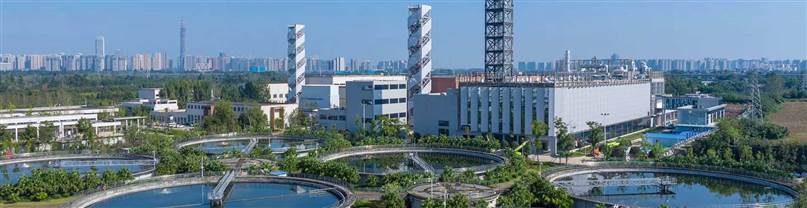
Since 2017, the Dragonfly Zone has been operational at the Shanghai Chemical Industry Park (SCIP), providing additional treatment for industrial wastewater discharged into Hangzhou Bay and improving its quality. It creates a landscaped area within the park and provides a prime habitat for local plants and animals. The expansion of the wetland area, scheduled for delivery in 2026, will increase the water treatment capacity by 5,000 m3 per day, for a total of 30,000 m3 per day.
(1) Biological Freedom Zone and Emerging Pollutants Control Zone.
50
hectares
of wetland to improve water quality


Combating their proliferation is one of the measures set out in our Nature Standards, a set of best practices applicable across all our sites to preserve ecosystems.
At the Chloorkop landfill in South Africa, operated by EnviroServ (one of our companies), the removal of invasive alien plants is fully integrated into the site’s day-to-day management. The species concerned are identified and removed during each mowing of the site’s lawns, thereby preventing their spread.
They are removed in a targeted manner, either manually or mechanically, to preserve the indigenous plants. This proactive approach prevents these water-intensive species from compromising the local ecosystem.

Our Consulting and Engineering teams are accelerating the ecological transition by placing environmental and climate issues at the heart of their practices and projects. We utilise the tools of ecological engineering to assess, avoid, reduce and, where necessary, offset the impact of our interventions on natural environments. This approach underpins all our areas of expertise: sustainable development, river and wetland restoration, the renaturation of artificial spaces, and integrated flood risk management. Through our work, we act to regenerate resources by balancing environmental performance, public safety and the attractiveness of local areas, which we support to strengthen their resilience to climate-related risks.Florent Pezet, Director of the Arc Alpin Regional Agency, Consulting & Engineering entity, SUEZ