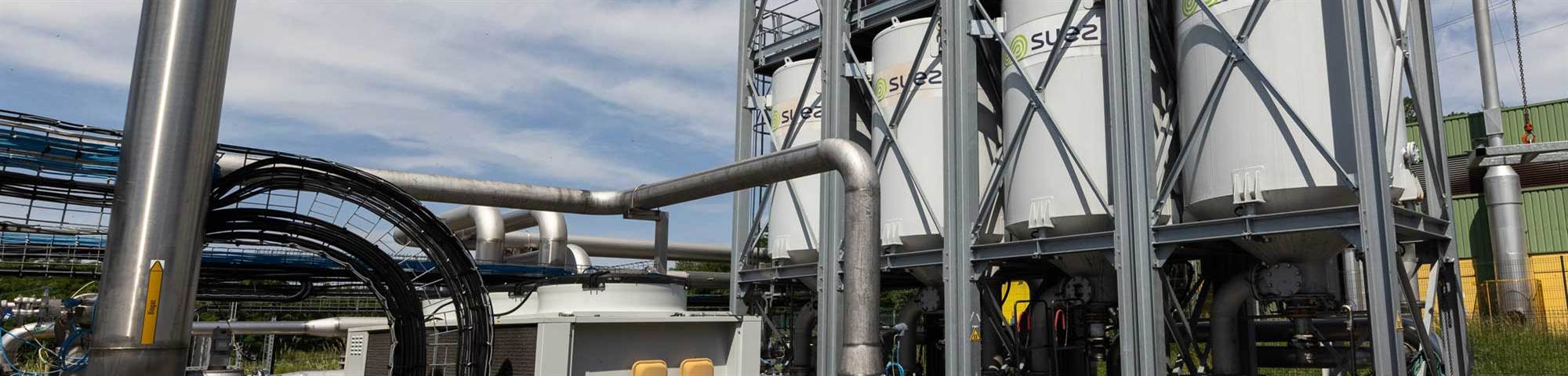
We support you upstream on your energy planning or design projects.
To remember
- End-to-end support
- Low-carbon and local energy
- Carbon Finance
Energy design and engineering
To develop local, sovereign and low-carbon energy production, you need a trusted technical partner, capable of transforming your energy ambitions into concrete, efficient and profitable projects. Our teams support you at every stage, from strategic thinking to commissioning and then management of your facilities, to secure your investments and maximise the value created over the long term.
Thanks to this structured approach, you make your decisions with full visibility: actual costs, expected gains, identified risks, return on investment, carbon contribution and impacts on your territory. We then remain at your side to monitor your project over the long term, manage your performance and adapt the solutions according to your changing needs.
The objective: to make your sites reliable, efficient producers of low-carbon energy that are fully integrated into the operation of your service.
Producing and supplying energy locally
To support your energy transition while improving resilience and cost control, we develop local, low-carbon energy solutions tailored to your operational requirements. From heat and steam to biogas and electricity, our experts design, build and operate high-performance energy facilities, including anaerobic digestion plants, SRF-to-energy units and cogeneration systems, delivering sustainable, secure and efficient energy over the long term.
We produce and supply low-carbon energy: heat, steam, biogas and electricity to improve your performance
Faced with the volatility of the energy markets and the objectives of decarbonisation, you must secure your supplies while sustainably controlling your costs. We support you in transforming your water, sanitation and waste treatment facilities into real local energy production and supply sites, capable of delivering heat, steam, biogas and electricity, directly adapted to your needs.
Our approach is based on a simple principle: produce as close as possible to uses, from locally available resources, to strengthen your energy autonomy and limit your dependence on fossil fuels and the market.
Depending on your context and your deposits, we develop production solutions that allow you to:
- Producing heat and steam for industrial processes, heating digesters, buildings or internal networks,
- Producing biogas and biomethane from sludge and organic waste,
- Produce electricity for self-consumption, cogeneration or grid feed-in.
The energy produced is primarily consumed on site in order to maximise self-consumption, stabilise operating costs and reduce the carbon footprint of your facilities.
We don't just produce energy, we also provide energy for it. Supply, in line with your real needs and operating constraints.
This integrated approach allows of:
- Ensuring the energy continuity of the facilities,
- Optimising the balance between local production and the use of the grid,
- To make economic and environmental performance more reliable over the long term.
Energy facilities designed, built and operated to last (anaerobic digestion plants / SRF)
Each project begins with a design and energy engineering phase, led by our teams. We analyse your flows (sludge, waste, thermal and electrical needs), your regulatory constraints and your performance objectives in order to size robust and suitable installations.
In particular, we design:
- Anaerobic digestion units, optimised to maximise biogas production and improve the energy balance of the plants,
- Waste-to-energy facilities, which produce heat, steam and electricity from solid recovered fuels,
- Cogeneration systems to recover heat and electricity simultaneously.
Each solution is finely integrated into existing processes to guarantee continuity of service and energy efficiency.
We ensure the Turnkey construction energy-producing facilities: digesters, SRF boilers, recovery equipment, internal heating networks.
Our technological choices aim to:
- High industrial reliability
- Optimised energy performance
- Control of emissions (GHGs, odours, discharges)
- Compliance with local regulatory requirements
Producing energy requires specific know-how. We operate your installations daily to guarantee:
- Optimal energy yields
- Maximum equipment availability
- Enhanced operational safety
Thanks to the management of the installations and the continuous optimisation of processes (methanisation, SRF, cogeneration), we adapt the production of heat, steam, biogas and electricity to your real needs, in order to maximise self-consumption and the energy value produced.
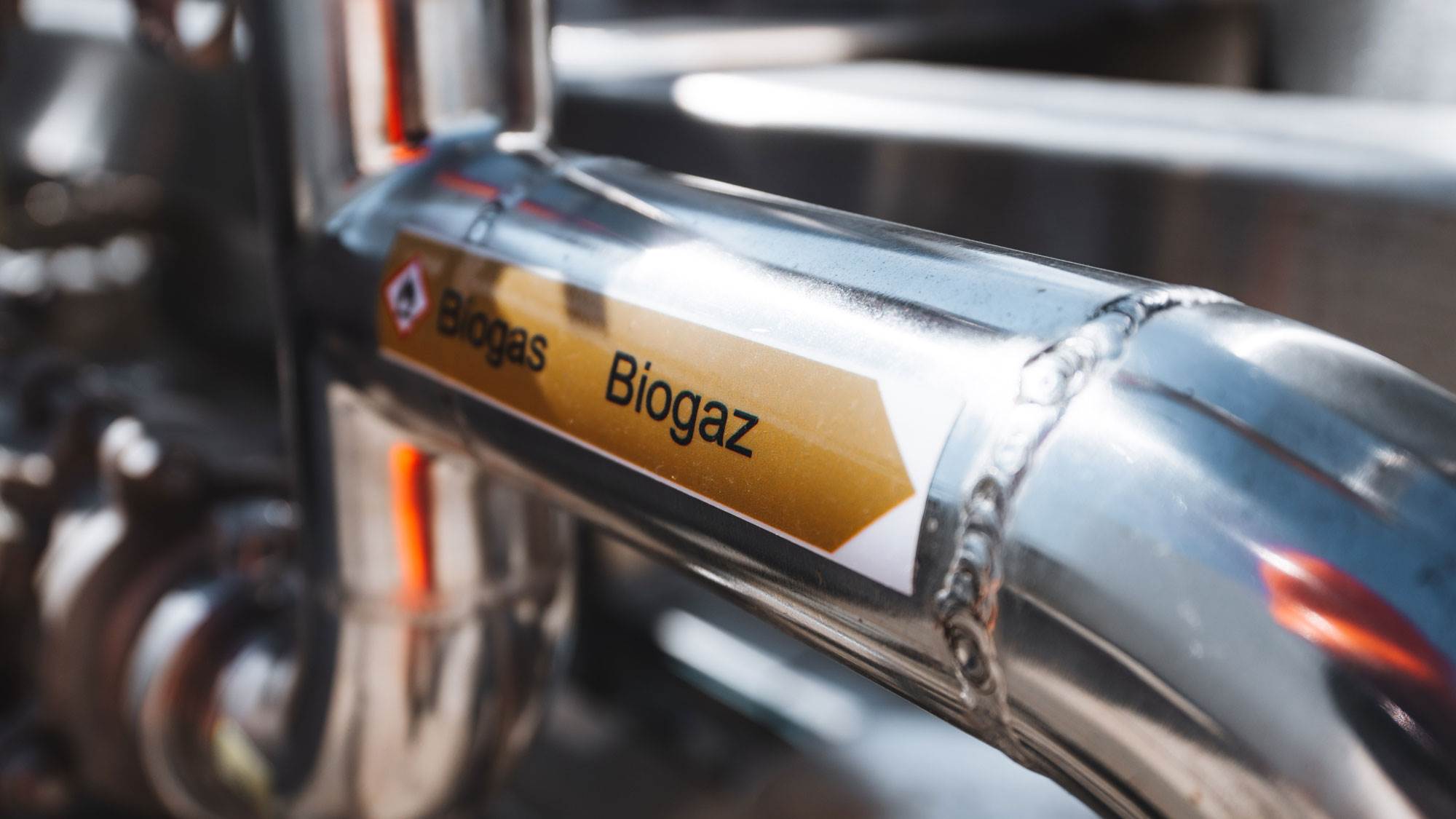
Operating facilities that produce energy: industrial know-how at the heart of the Energy Offer
Producing low-carbon energy is not enough: it is also necessary to operate it sustainably, safely, with a high level of energy and economic performance. We put our expertise as a leading industrial operator, acquired on both installations operated on behalf of our customers and on installations owned by us. This dual experience reinforces the robustness of our Energy Offer.
Operation of wastewater treatment plants producing energy
On the Energy-from-Waste plants (EfW) and wastewater treatment plants (WWTPs) that we operate, energy production is an integral part of the overall performance of the service. Our role is to ensure continuity of service, while optimising energy yields and controlling environmental impacts.
On WWTPs, we operate facilities that produce:
- Biogas via sludge anaerobic digestion
- Heat for heating digesters and buildings
- Electricity, in particular by cogeneration
Our expertise as an operator allows us to finely manage:
- The balance between energy production and consumption of the site
- The performance of the digesters (load, temperature, agitation, useful volume)
- The recovery of biogas (heat, electricity, biomethane)
- Local regulatory compliance
On the EfW plants operated on behalf of local authorities or manufacturers, we provide:
- Continuous production of heat, steam and electricity
- Optimisation of energy yields
- The control of atmospheric emissions and residues
- Integration of the energy produced into local networks or industrial uses
This field experience directly feeds into our Energy Offer: we know what works in operation, over time, in demanding contractual contexts.
Our operations of energy installations (SRF, anaerobic digestion, etc.)
We are also Owner and operator numerous decarbonised energy production facilities, including Energy-recovery from SRF and Anaerobic digestion plants.
These assets are to real Industrial feedback, at the service of our customers.
On SRF installations, we operate units capable of producing:
- Heat and steam for industrial or network uses
- Electricity, depending on the configuration, from solid recovered fuels, contributing to the reduction of landfilling and the substitution of fossil fuels
On our anaerobic digestion units, we manage the entire chain:
- Receipt and processing of inputs
- Biogas production
- Energy recovery (heat, electricity, biomethane)
- Management of digestates and by-products
Operating our own facilities allows us to:
- To test and make technological choices more reliable
- Continuously optimise energy operating schemes
- To control the CAPEX / OPEX economic balances
- Anticipate regulatory and operational constraints
CCUS: capturing and using CO₂ from waste treatment
Accelerating decarbonisation with CCUS
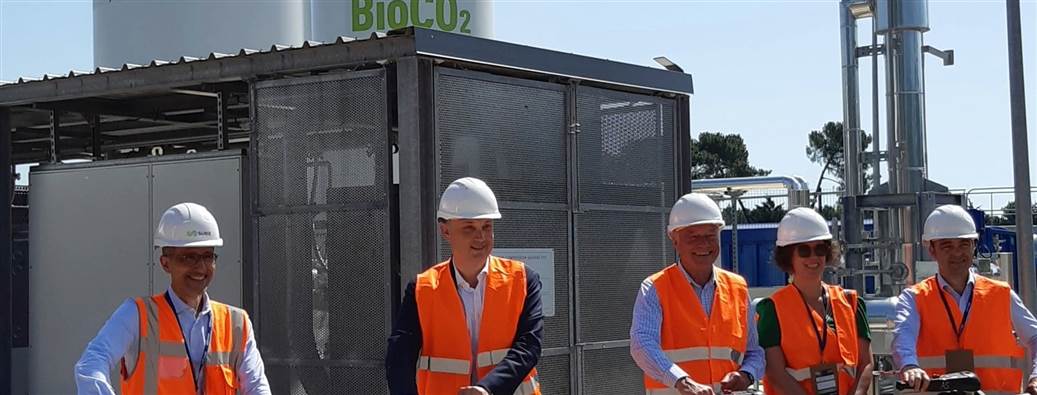
In the face of the climate emergency, carbon capture, utilisation and storage (CCUS) is an innovative solution to significantly reduce CO₂ emissions from waste-to-energy facilities.
By capturing carbon at the source and then recovering or storing it sustainably, we transform an environmental constraint into an opportunity for value creation. This approach contributes to the decarbonisation of territories, promotes the emergence of new low-carbon industrial sectors and strengthens the production of sustainable energy and fuels. Thanks to our expertise in waste management and the ecological transition, we develop ambitious CCUS projects to support its customers towards carbon neutrality.
Our Renewable Power Purchase Offer (PPA)
Are you looking for a long-term supply of electricity?
We produce renewable electricity in our fleet of energy-from-waste plants (EfW) in France from the recovery of waste from local authorities, industries and individuals. Our teams analyse your needs and offer you a suitable solution:
- Long-term partnership on an electricity contract
- Renewable and low-carbon electricity
- Electricity tariffs controlled over the long term and uncorrelated with the energy market
Accelerate your energy projects with carbon finance
To further strengthen your energy sovereignty, we include carbon finance mechanisms in our support, a strategic tool to make your low-carbon energy production projects profitable while contributing to the collective effort to reduce emissions.
These mechanisms are based on a simple logic: each tonne of CO2 avoided or sequestered in your territory can be financially valued. This applies in particular to your projects that emit the most carbon benefits:
- Biomethane production (substitution for fossil gas)
- Production of biochar (long carbon sequestration)
- Waste heat recovery projects (avoids the use of heat from fossil fuels)
- Photovoltaic or hydraulic installation (substitution of carbon-based electricity).
Alongside our public and private clients, we define climate strategies adapted to the specificity of needs and activities.
Our teams ensure the realisation of your projects with a positive and sustainable purpose by activating the levers of green finance and carbon finance.
We support you in:
Quantify
emission reductions according to recognised methods
Compile
carbon files (labels, verification, certification)
Organise
the sale of carbon credits on voluntary markets
Allocate
carbon revenues to finance your energy projects or reduce your operating costs
With this additional funding, you can accelerate time to value of your equipment (methanisation, solar panels, turbines, etc.), reduce your budget exposure and strengthen the territorial impact of your energy strategy.
Carbon finance thus becomes a real lever for action to develop your local production of low-carbon energy faster and more widely, while providing measurable proof of your climate commitments.
They trust us
Frequently asked questions
Low-carbon energy is energy produced without emitting CO2, allowing organisations to immediately reduce their environmental footprint. It is a key lever for competitiveness and responsibility, by supporting the transition to more sustainable models.
By choosing low-carbon energy, companies strengthen their climate performance, meet regulatory requirements and promote a committed image among their customers, partners and employees.
Renewable energies come from inexhaustible natural resources and are defined by their ability to regenerate naturally on a human scale, such as solar, wind, hydro, geothermal or biomass energy.
Low-carbon energies bring together all energy solutions with very low CO emissions₂, including renewable energies, waste heat recovery, but also other sources such as nuclear or low-carbon hydrogen.
Low-carbon energies have many advantages, both environmental, economic and strategic, for both regions and industrial sites.
Environmental benefits
- Reduced CO2 emissions: They emit little or no CO2 over their entire life cycle
- Fight against climate change: they contribute directly to the objectives of carbon neutrality
- Lower environmental impact: less air and soil pollution compared to fossil fuels
Energy and industrial advantages
- Local and sovereign production: reduction of dependence on fossil fuel imports
- Secure supply: less exposure to geopolitical tensions and market volatility
- Diversification of the energy mix: better resilience of territories and industrial sites
Economic benefits
- Long-term cost control: operating costs that are more stable than those of fossil fuels
- Local value creation: investments, jobs and economic benefits on the territory
- Access to support mechanisms: subsidies, purchase agreements, carbon finance, regulatory incentives
Strategic and Regulatory Benefits
- Anticipation of regulations: compliance with current and future climate requirements
- Improvement of image and attractiveness: visible commitment to the energy transition
- Competitive advantage: differentiation in markets and with customers and partners
Low-carbon or decarbonised energies make it possible to reconcile economic performance, energy security and environmental responsibility, while sustainably preparing the future of territories and industries.
Anaerobic digestion is a natural process for the production of renewable energy that transforms organic matter into biogas and fertiliser.
Simply put,
Organic waste (agricultural waste, food waste, sludge from sewage treatment plants, industrial residues, etc.) is "digested" by Microorganisms, Oxygen-free.
This process produces:
- biogas (mainly methane)
- and a residue called digestate, which can be used as an agricultural amendment
How does it work?
- Organic waste collection
Agricultural waste, bio-waste, industrial effluents, etc. - Biological degradation in a closed environment (anaerobic)
Bacteria break down matter. - Biogas production
Biogas can be:
- Converted into electricity and heat
- Or purified into biomethane and injected into the gas network - Digestate recovery
Used as a natural fertiliser, replacing chemical fertilisers.
Why is anaerobic digestion strategic?
- Local and low-carbon energy
- Waste reduction
- Substitution of fossil fuels
- Lower CO2 emissions
- Creating local economic value
- Energy sovereignty of territories and industrial sites
Find out more about the methanisation of sewage sludge and the recovery of bio-waste to produce new resources.
Solid Recovered Fuel (SRF) is a fuel:
- Used to produce steam and/or electricity, in a SRF boiler room
- It is intended to meet an energy need
- Its primary resource is solid, non-hazardous and non-recyclable waste
- It is prepared in a regulated preparation centre
- After preparation, it is composed of non-recyclable residues
- It replaces a fossil fuel to produce low-carbon energy
Combustion emits CO2. If this CO2 comes from a fuel that regenerates itself on the scale of our lives, then it is said to be of biogenic origin.
For example: wood, organic materials of animal or plant origin, cardboard, etc.
In English, the PPA is the "Power Purchase Agreement". It is a long-term renewable power purchase agreement between 2 companies. The customer then has access to renewable electricity, certified with guaranteed tariffs for the entire duration of the contract.
Electricity can be produced directly close to its use on one of our customer-specific facilities or shared between the customer and the electricity grid.
Electricity can also be generated at others of our locations. In this case, the guarantees of certification of renewable electricity are the same for the customer.