


Local authorities Companies
To remember
  • Assess and take stock of biodiversity
  • Restore and/or enhance natural ecosystems through nature-based or nature-inspired solutions
  • Monitor and assess impacts on biodiversity – flora, fauna and natural ecosystems
1

million

species are threatened with extinction worldwide

55%

of global GDP depends partly or entirely on nature and its services

30 %

of impacts on biodiversity are caused by the destruction and artificialisation of natural habitats

Assessment: carrying out a biodiversity survey

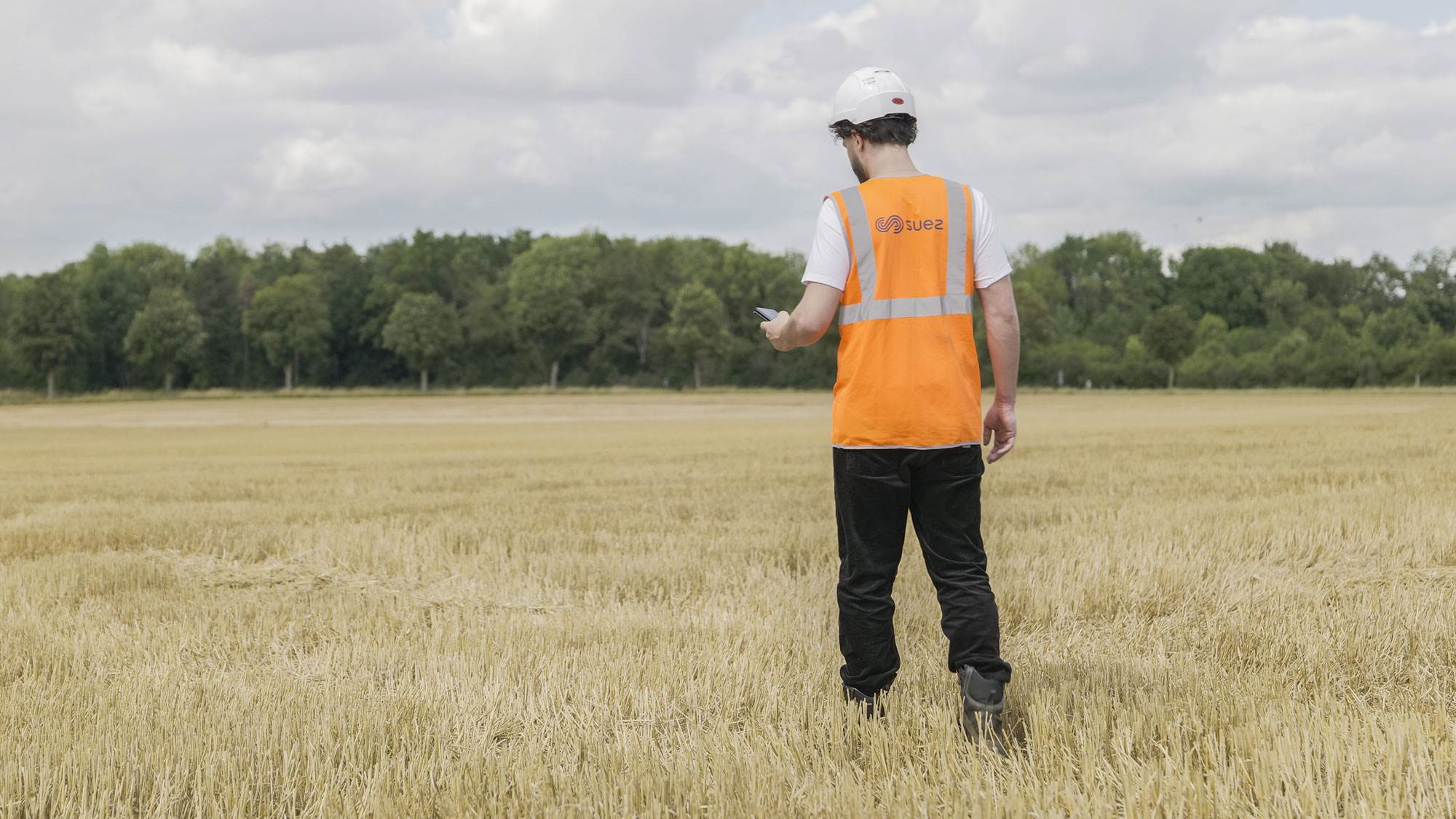
Working alongside our clients, we assess biodiversity to gain a better understanding of local environmental issues and, in collaboration with local authorities and industry stakeholders, define concrete actions to protect natural habitats.

Environmental Performance – Biodiversity is our decision-support tool

Based on ecosystem services, it assesses each project using quantified, comparable and easily understandable indicators.


Benefits

  • Anticipate regulatory requirements and manage biodiversity-related issues
  • Better integrate local issues and ecological corridors
  • Manage and promote the ecological performance of development projects
  • Facilitate consultation through a common language based on the services provided by nature


On complex projects, the biodiversity tool enables ecological impacts and benefits to be assessed objectively, scenarios to be compared, and decisions to be guided right from the design stage.

Ecological pre-assessment using digital tools provided by our partner Green PRAXIS: an integrated solution for anticipating ecological challenges

By combining our sector-specific expertise with the Green PRAXIS platform, we obtain an initial broad overview of potential biodiversity issues at water and waste management sites. This enables us to identify sensitive or protected species and to target further field investigations (ecological surveys and assessments).


The PRAXIS automated environmental assessment platform aggregates satellite imagery and ecological data to analyse issues relating to biodiversity, carbon and environmental risks at the level of a project, a site or a portfolio of assets.

Benefits

  • Analyse multiple sites using standardised indicators
  • Prioritise sites and actions according to the identified issues
  • Target field surveys to reduce costs and lead times
Green PRAXIS Green PRAXIS transforms complex data into environmental assessments using data science and engineering.

Ecodiag, our diagnostic methodology using biomonitoring

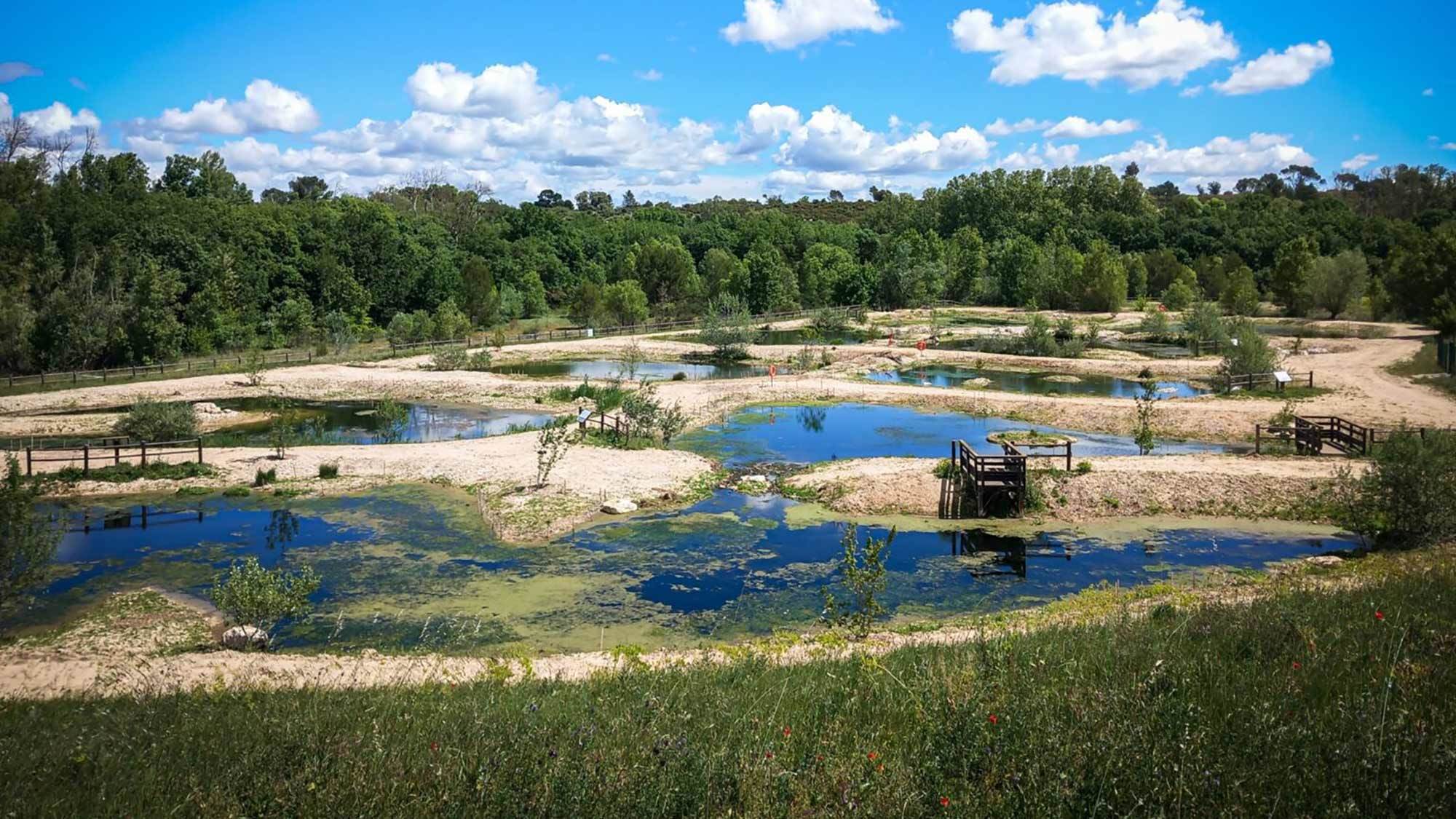
Ecodiag is our biomonitoring methodology for drawing up a diagnostic or an assessment of the ecological status of wetlands – Vegetated Discharge Areas or Dragonfly Zones - and their surrounding areas.

Benefits 

  • Objectively assess the ecological condition of wetlands
  • Guide management and maintenance actions
  • Measuring biodiversity benefits and water quality
  • Raise awareness and engage stakeholders on local biodiversity issues

Design: recreating and/or restoring natural ecosystems through nature-based solutions

At SUEZ, we develop nature-based solutions to restore and strengthen ecosystems in the face of climate and environmental challenges. These solutions deliver benefits for biodiversity and local communities, whilst contributing to the resilience of regions. In certain contexts, they may also form part of ecological compensation schemes or be eligible for dedicated funding mechanisms.

With the support of our LyRE centre of expertise and our subsidiary Sondalp, we design the Dragonfly Zone and Managed Aquifer Recharge (MAR) projects, monitor their operation and assess their performance.

The Dragonfly Zone, our vegetated discharge area: a semi-natural wetland designed to restore biodiversity and protect the receiving environment

Benefits 

  • Refine wastewater treatment and minimise residual pollutants
  • Restore local biodiversity
  • Protect sensitive receiving environments

Managed Aquifer Recharge (MAR): a solution to protect the quality and availability of groundwater resources

Benefits 

  • Support the natural recharge of aquifers
  • Naturally perform pretreatment on surface water
  • Protect water abstraction points and remediate polluted aquifers
  • Preserve biodiversity in aquatic environments


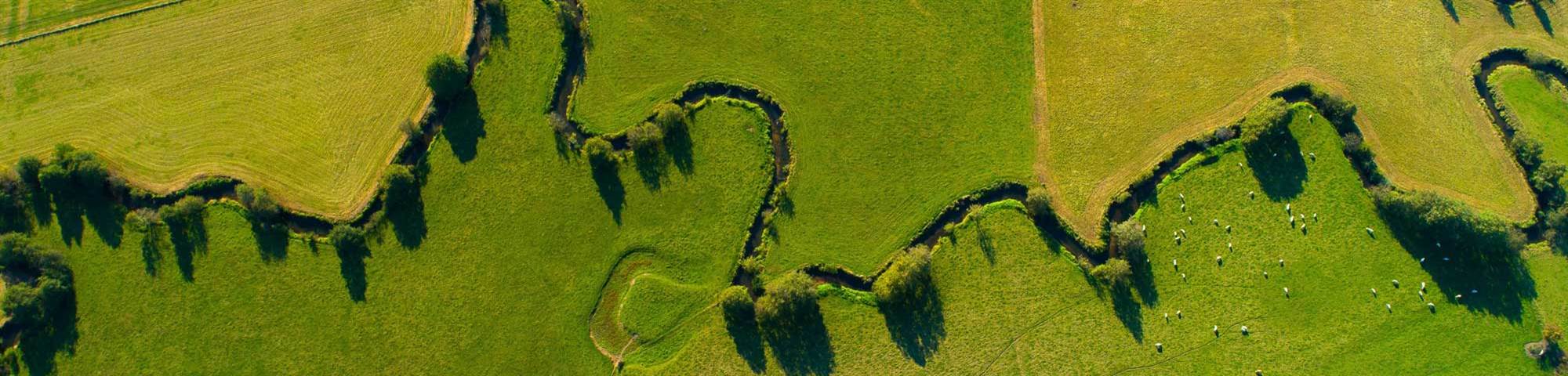
Drawing on our ecological engineering expertise, we can also harness nature as an ally in flood prevention, notably through the restoration and rehabilitation of watercourses.

Design: contributing to the proper functioning of natural ecosystems

Ecological restoration aims to regenerate degraded environments in order to promote biodiversity and the healthy functioning of ecosystems. It is based on various planning or management measures, such as the restoration or creation of habitats favourable to flora and fauna, as well as the implementation of infrastructure inspired by natural processes where appropriate.

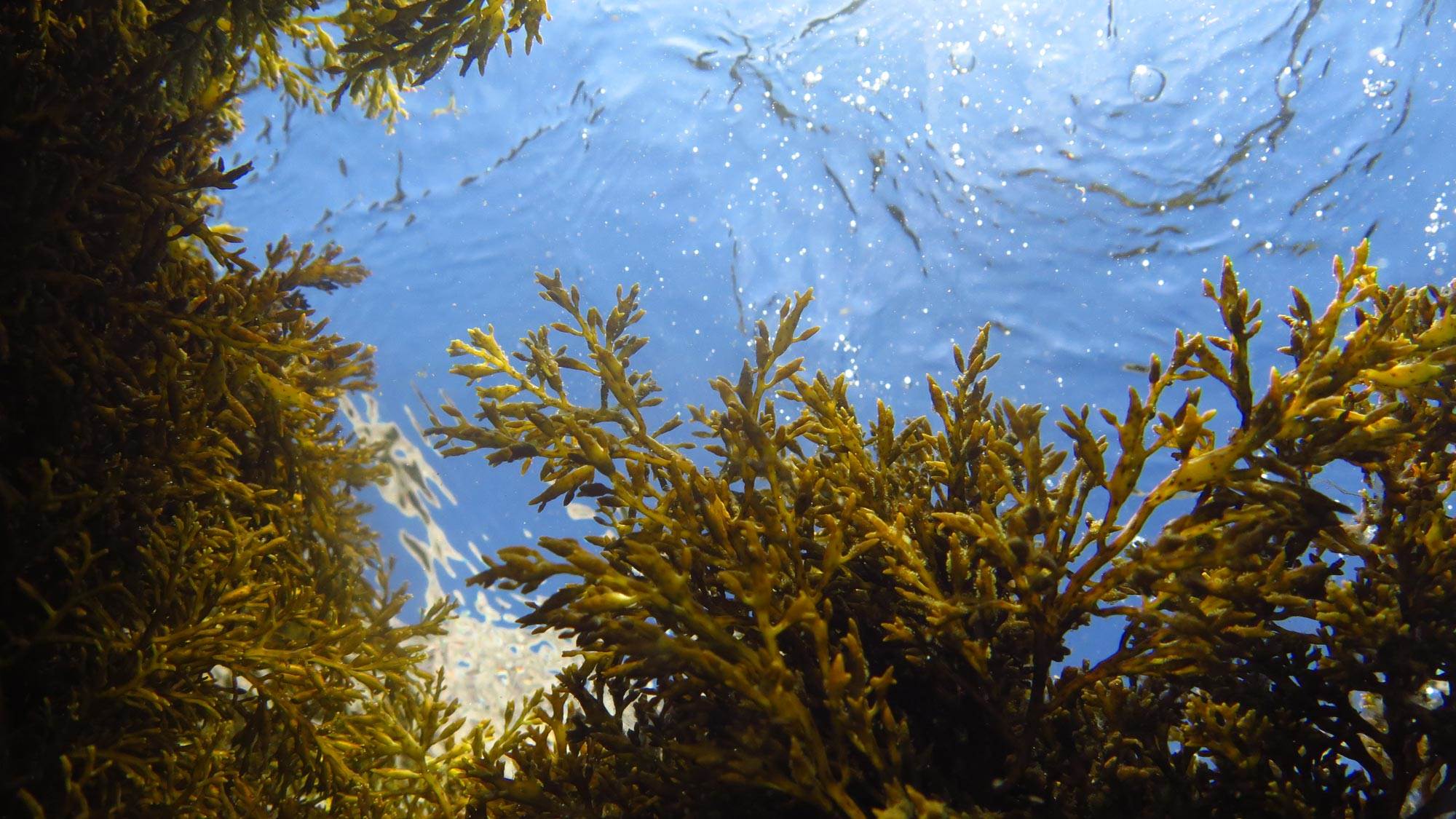
Cystore is our method for restoring cystoseira, forests of brown macroalgae, on coastal structures

It enables the recreation of a semi-natural environment, similar to natural rocky coasts.

Benefits 

  • Recover the ecological value of maritime structures
  • Provid shelter and food for coastal wildlife
  • Protect young colonies using ecological modules 
  • Restore ecological connectivity with surrounding areas

Management of invasive alien species

Introduced outside their natural habitat, invasive alien species (IAS) spread to the detriment of local species and pose a major threat to biodiversity.
For businesses and local authorities, we offer a comprehensive service: the collection and treatment of IAS to limit their spread.

Benefits 

  • Ensure the safe treatment of contaminated plants and land
  • Tailor the intervention to the species collected and identify appropriate disposal sites
  • Prevent the spread of IAS through biosecurity protocols

Biochar

In response to the environmental challenges of water and waste management in local areas, we are developing biochar, a circular soil improver produced through the pyrolysis of biomass and/or sewage sludge. Biochar enables the long-term storage of carbon whilst helping to improve the agronomic properties of soils.

Benefits 

  • Recover value from sewage sludge and residual biomass
  • Improve soil fertility and water retention
  • Enable long-term carbon sequestration
  • Generate energy using syngas, a gaseous co-product of pyrolysis 

Assessment: monitoring and tracking the effects on living organisms and ecosystems using biomonitoring

Biomonitoring assesses the quality of water, air or soil based on the effects of chemical substances on living organisms. Complementary to conventional analyses, it takes into account metabolites and the combined effects – known as "cocktail effects" – of these substances.

BeeOmonitoring: environmental biomonitoring using bees, thanks to our partner BeeOdiversity

Bees act as natural drones and bioindicators. Analysing the pollen they collect enables us to measure biodiversity and pollution across vast areas.

Benefits 

  • Monitor pollutants and measure their impact around a given area or site
  • Identify the probable source of certain pollutants in order to better prevent them 
  • Assess the effectiveness of measures to reduce pollutant emissions
  • Detect the potential presence of invasive alien species
  • Measure the positive impact of measures taken to promote biodiversity
BeeOdiversity uses bees as bioindicators to measure biodiversity, pollution and floral resources.

Ecoacoustic: our range of solutions for monitoring aquatic environments

It comprises two components:


Otosea, our acoustic solution for monitoring the sounds of marine fauna via an autonomous, connected monitoring station. Monitoring takes place in real time via acoustic monitoring stations equipped with on-board processing algorithms

Benefits 

  • Monitor the ecological status of the marine environment in real time
  • Assess the effectiveness of corrective measures put in place
  • Meet regulatory obligations and raise public awareness of local marine biodiversity


Otoriver: in collaboration with the Interdepartmental Syndicate for the Sanitation of the Paris Metropolitan Area (SIAAP), we are developing a bioacoustic monitoring solution for river environments. Like otosea, the otoriver system aims to adapt the otosea platform to freshwater environments, tailoring it to the specific characteristics of the River Seine.

Biomonitoring of water quality and aquatic environments through our partners Biomae and ToxMate (ViewPoint)

Biomae process, involving in situ bioassays* using pollution-sensitive freshwater shrimps (known as gammarids) to measure contamination and the effects of micropollutants.

Benefits 

  • Monitor surface water quality
  • Measure the presence and impact of micropollutants
  • Access to five bioassays, including three AFNOR-standardised, one ISO-standardised and one INRAE-patented


(*) A bioassay is a test in which a living organism is exposed to one or more pollutants in order to assess their toxicity (or "ecotoxicity").

Biomae assesses the effects of pollutants on natural environments using ecotoxicology and bioassays. 

ToxMate continuously monitors the chemical quality of water by analysing the movements of 48 living organisms belonging to three species of aquatic invertebrates.

Benefits

  • Monitor the quality of raw water prior to treatment
  • Monitor the quality of treated wastewater prior to discharge or reuse
  • Assess the effectiveness of micropollutant treatment processes
  • Detect anomalies in real time and ensure their traceability
  • Prepare for the revised European Urban Wastewater Treatment Directive 
  ViewPoint detects water pollution in real time by monitoring the behaviour of living organisms using its ToxMate solution.

They trust us

Chloorkop, South Africa: proactive management of invasive alien plants

At the Chloorkop landfill site, operated by our subsidiary EnviroServ, part of in South Africa, the removal of invasive alien plants is fully integrated into the site’s day-to-day management. The species concerned are identified and removed each time the site’s lawns are mown, thereby preventing their spread. They are targeted for removal, either manually or mechanically, to preserve native plants. This proactive approach prevents these highly water-consuming species from compromising the local ecosystem. 

The Dragonfly Zone at the Shanghai Petrochemical Industrial Park (SCIP) in China

At the Shanghai SCIP Petrochemical Industrial Park, we have deployed our patented Dragonfly Zone solution for the tertiary treatment of industrial wastewater — a first in China within an industrial park. Comprising salt-tolerant coastal plants, this wetland naturally purifies the site’s saline water, providing complementary treatment to that of the wastewater treatment plant. This is our largest project of its kind.

Frequently asked questions

Discover also