Discover
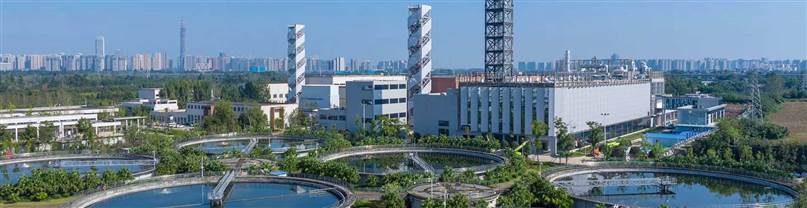
4 billion people worldwide already experience severe water shortages for at least one month a year. The implementation of long-term water management, tailored to the specific characteristics of each region, is essential to ensure water resilience. This management must combine assessment, consumption control, smart infrastructure management and the mobilisation of alternative resources such as treated wastewater or desalinated seawater. With more than 6,000 drinking water production and wastewater treatment plants built for local authorities worldwide, we are a key player in the future of water.

In Sri Lanka, the seawater desalination plant we constructed supplies drinking water to 300,000 people in the city of Jaffna and the surrounding urban and rural areas.
With a production capacity of 24,000 m3 per day, expandable to 48,000 m3 per day, this infrastructure meets the needs of Jaffna’s growing population, one of the country’s most populous cities.
300 K
inhabitants served by the Jaffna seawater desalination plant
In China, a desalination plant supplies the Penglai industrial park of the Wanhua Chemical Group, one of the world’s top 20 chemical companies.
This fully automated facility produces 100,000 m3 of desalinated water daily, saving 36 million m3 of fresh water annually. It relies on robust and adaptive technologies, particularly to adapt to significant fluctuations in the temperature of the treated water throughout the year.
36
million m3
of freshwater saved each year

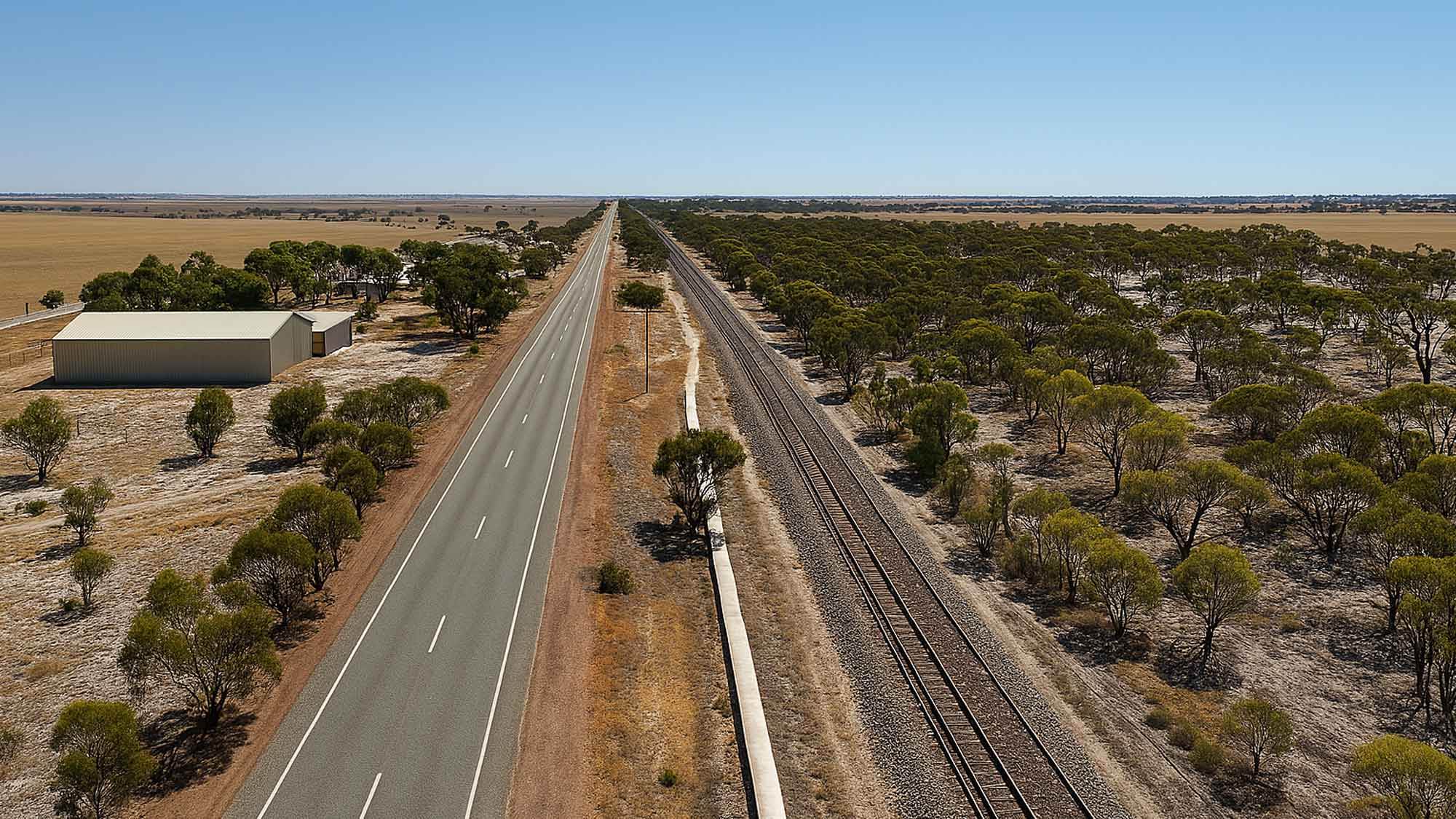
This 125-year-old pipeline, stretching 560 kilometres and equipped with 89 pumps distributed throughout the system, previously required around 1,000 manual interventions daily.
The use of digital twins and AI-based automated decision-making has halved this workload. The project enabled smarter decision-making, improved system visibility, and delivered measurable operational savings while enhancing safety and reliability for remote water supply operations.
- 50 %
In New Delhi, the Okhla Sewage Treatment Plant is one of the largest in the country, with a treatment capacity of 564,000 m3 per day.
Energy recovery from sludge and electricity generation from biogas allow the plant to produce 55% of the energy it consumes. The treated water helps reduce pollution in the Yamuna River, a critical water resource for the region, while benefiting aquatic ecosystems and the health of the roughly 4 million residents served by the facility. A portion of the treated water is reused locally for industrial purposes and the irrigation of green spaces.
182 K
m3 / day
of reused wastewater design capacity


We aim to save 28 million m³ over 10 years, equivalent to two years’ production within the Rhône Ventoux Water Syndicate’s area. Our partnership with SUEZ will help us better protect water resources by sustainably maintaining infrastructure and improving both the prevention and detection of leaks. Beyond real-time monitoring of the network, SUEZ is also supporting us in our work with users through the roll-out of 88,000 smart water meters and all associated services, enabling residents to better manage their consumption and be alerted in the event of a leak.Jérôme Bouletin, President of the Rhône Ventoux Water Syndicate (France)