Local authorities
To remember
  • Deliver safe, high-quality drinking water
  • Monitor drinking water quality
  • Custom water quality solutions for specific needs

+ 65

 millions
people worldwide were provided drinking water by SUEZ in 2024

+ 3200

drinking water production plants designed and built by SUEZ worldwide

Produce and supply drinking water that is compliant with health standards 24/7

Treated by dedicated plants or collected from a preserved resource, we produce drinking water in strict compliance with health standards and contractual requirements. When we manage the water supply, we maintain its quality throughout the distribution network, through to the consumer’s tap.

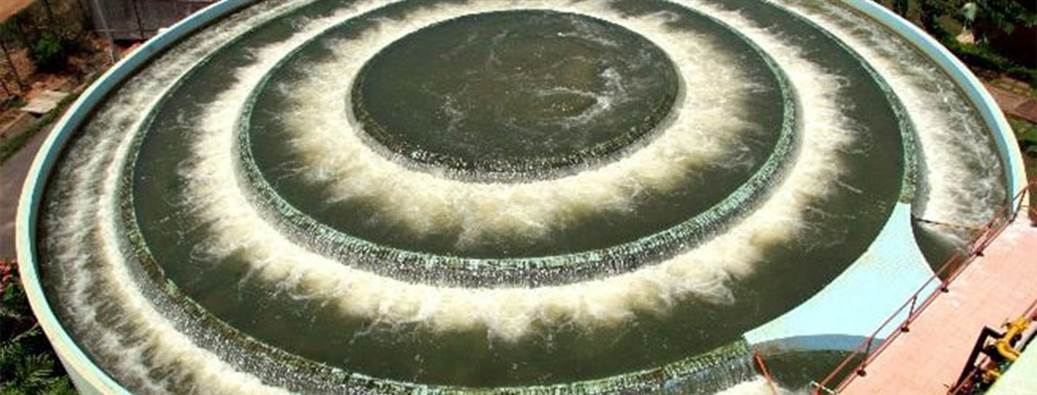
Depending on the water source (surface water, reservoir, groundwater, mixed sources, etc.), we treat physico-chemical and organoleptic parameters at production plants. This may involve: 

  • Basic treatments such as coagulation and filtration,
  • Advanced treatments such as activated carbon adsorption or membrane filtration processes, especially for micropollutants (pesticides, PFAS, etc.).

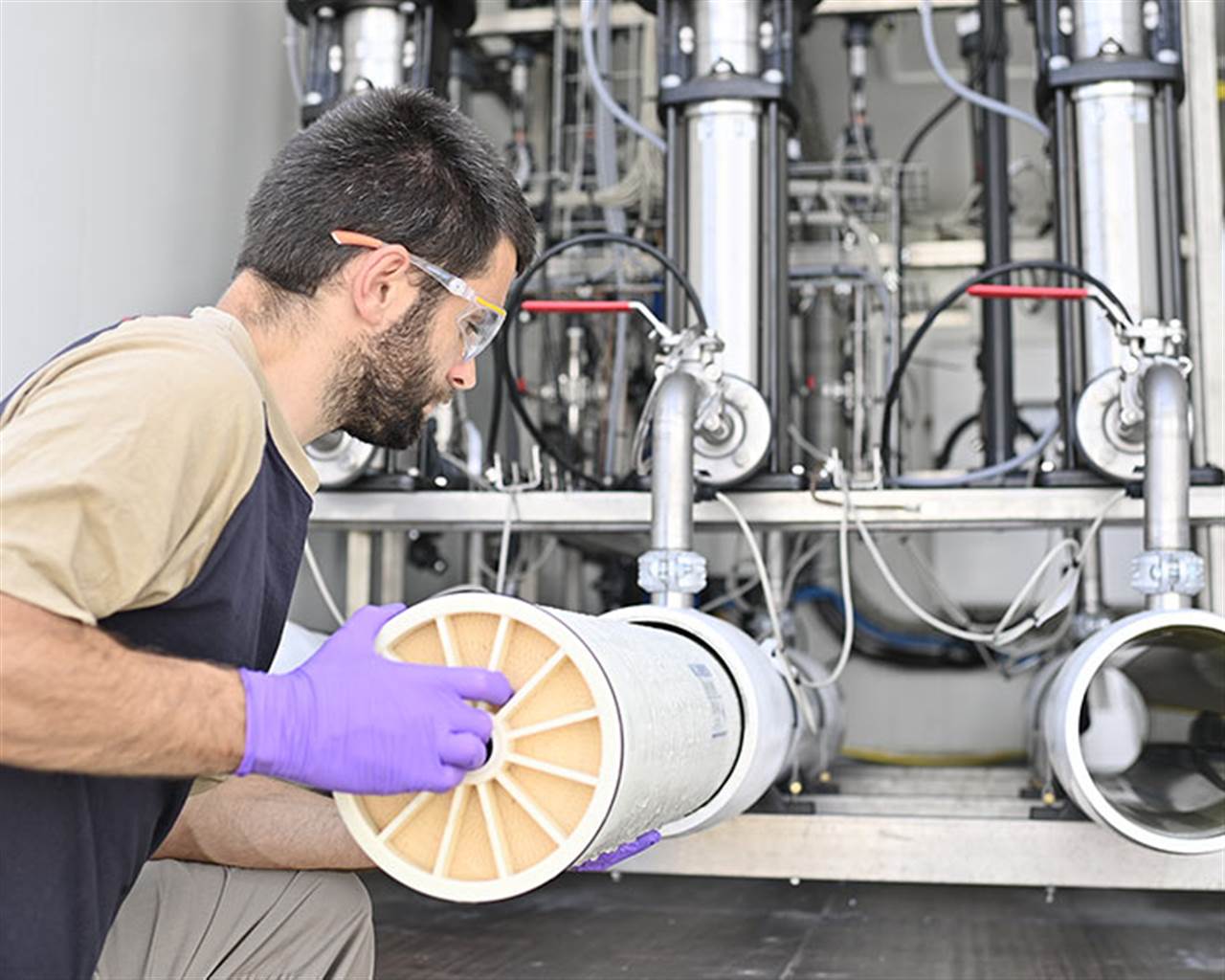
Reverse osmosis - treatment of micropollutants 

To ensure the microbiological quality of the water right up to the customer’s tap, we ensure its disinfection at the plants and maintain a disinfectant residual throughout the distribution network, while minimising its disadvantages, such as taste & odour and disinfection by-products (THM...). This remains true for every type of facility, from the smallest plants to large-scale operations, including major sites such as Sydney, with a capacity of 3 million m³ per day. 

Monitor water quality

To ensure that drinking water complies with current standards, we check and monitor its quality through online sensors and frequent lab analyses.

Monitor water quality

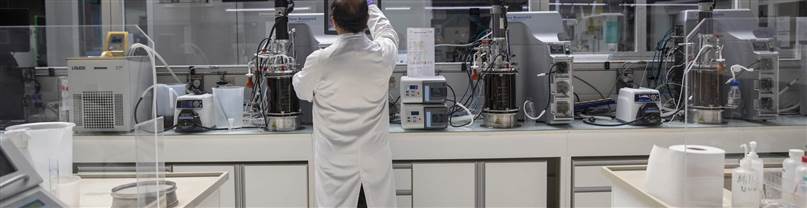
At the water treatment plants, online sensors continuously control the performance of the purification processes. Routine laboratory analyses are conducted to support plant monitoring activities and used for water quality reporting. In the distribution networks, we also monitor the water quality through online sensors and frequent lab analysis, to ensure health standard compliance at the customer tap.

Better prevent drinking water pollution

Providing safe drinking water is of paramount importance for public health. Given the increasing pressure related to demographics, urban development and climate change, new approaches are needed to assess and manage risks related to pollutants.

The World Health Organization (WHO) defines a Water Safety Plan (WSP) as a proactive and ongoing risk assessment and risk management approach that includes all steps in the water supply chain – from catchment to consumer.

In Europe, WSP became mandatory under the European “Drinking Water” Directive published on December 23rd 2020. These safety plans must be implemented before July 2027 for water catchment areas, and by January 2029 for the entire drinking water supply system. The aim is to identify the sources of pollution and their potential health risks upstream to improve protection.

We have been a pioneer, with first implementations in the early 2000s under the HACCP (ISO 22 000) framework. With our extensive operational experience, we can support you in implementing your Water Safety Plan through:

  • A proven methodology.
  • Significant risk management experience, recognised by ISO 22000 certification.
  • The ability to enhance the approach with relevant additional services: resource vulnerability studies, quantitative microbiological risk assessments, action plan implementation, training, etc.
  • Unique scientific expertise via our International Water and Environment Research Centre (CIRSEE).


You can rely on this effective drinking water management tool to meet Public Health requirements and better plan your infrastructure renewal and investments.

Tailored water quality for enhanced consumer experience

Besides supplying water that complies with health guidelines, we adapt water quality parameters to match local expectations, whether improving taste, reducing hardness or addressing specific issues linked to the raw water.

When disinfection is carried out with chlorine, it can cause taste dissatisfaction for consumers. To improve taste without compromising quality, we offer operational strategies to:

  • Limit or even eliminate chlorine use at production plants, using alternative or combined disinfection methods (ozonation, UV, ultrafiltration membranes), and/or
  • Keep chlorine concentration in the network below consumer’s perception threshold by meticulous dosing.

In areas where water is “hard”, we can implement treatments to soften it through collective carbonate removal. This helps prevent limescale in distribution networks and offers greater user comfort.

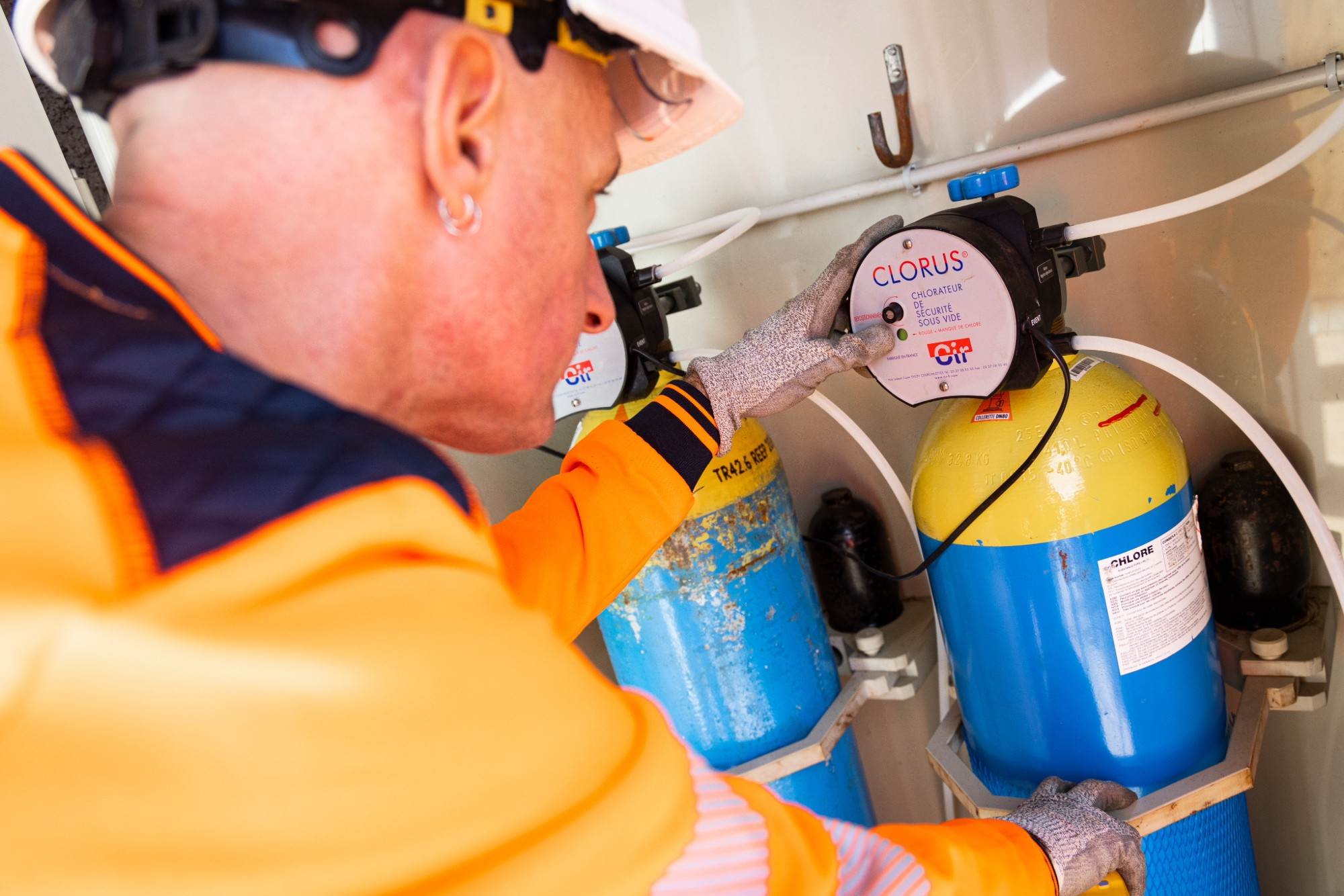
Chlorination of drinking water

They trust us 

Treat PFAS in drinking water without building a new plant

The Ternay plant, located in the “Chemistry Valley” and owned by the Rhône Sud Drinking Water Syndicate, was designed and built by SUEZ in 2017. It supplies 170,000 users in South of Lyon and produces 5.6 million m³ of water per year. In 2022, PFAS were detected in the tap water. The Syndicate decided to implement suitable treatment to guarantee water quality

In collaboration with the Regional Health Agency, from spring 2022, we conducted PFAS analyses from source to distribution network to understand the pollution and assess treatment strategies. These analyses revealed that PFAS are particularly difficult to treat and saturate quickly activated carbon filters. Laboratory tests at our international research centre were then carried out.

Several treatment solutions were studied. The Syndicate chose to convert the six existing activated carbon filters into Carbazur Simplex continuous renewal reactors. Our patented, modular, downward-flow innovation integrates perfectly into an existing plant. It allows the frequency of carbon renewal to be adjusted according to raw water quality and regulatory changes.


To ensure treatment robustness, an industrial pilot (real-world test at the plant, with water analyses every 15 days to confirm lab results) was deployed. This pilot helped select the most suitable treatment technology. 


This is the first time in France this technology has been used to treat PFAS, ensuring PFAS removal in drinking water, in compliance with the new regulations related to PFAS. 

Frequently Asked Questions

Our other solutions for accessing drinking water

Local authorities
Companies

PFAS treatment

Discover how we are revolutionising the PFAS treatment in water and waste through advanced technologies and tailor-made solutions.

Local authorities

Decentralised Compact Units (UCD®)

Ensure a reliable supply of drinking water in urban and rural areas with UCD®, our compact, modular water treatment plants.

Drinking water team
Local authorities

Drinking water plants

Produce high-quality water for everyone, thanks to drinking water plants that preserve the resource and guarantee optimum health safety.