
Local authorities
Energy from Waste
Our Energy-from-Waste plants allow you to be supplied with energy while setting up local recovery loops
Discover the offer
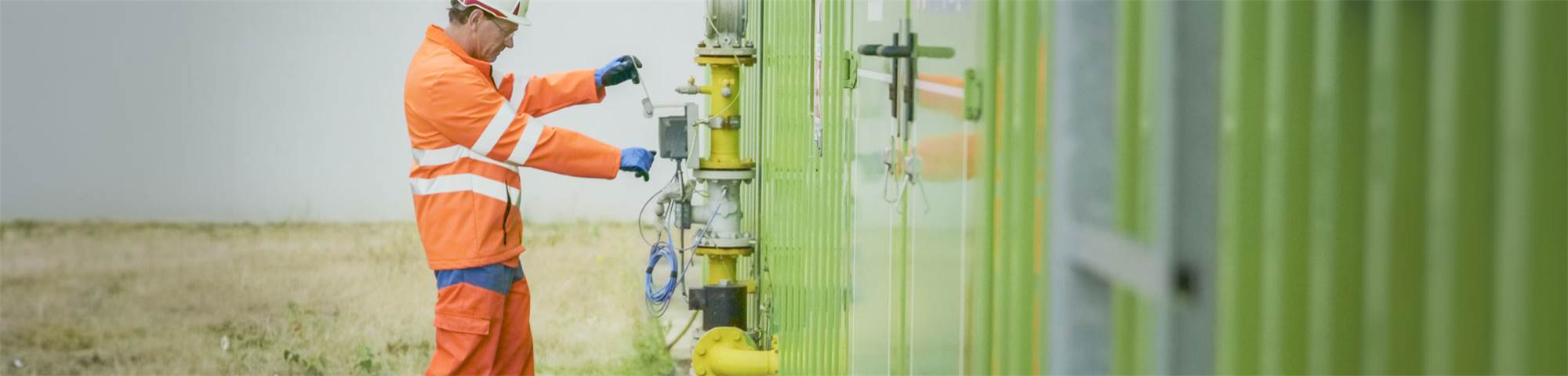
Global anaerobic digestion of biowaste is expanding rapidly, driven by rising demand for renewable natural gas and stricter waste‑management regulations. The market is growing strongly, as companies and local authorities aim at producing more local and renewable energy.
The recovery of biowaste by anaerobic digestion is part of a process of sorting, collection, and responsible waste management. It offers local authorities and companies concrete solutions to reduce food waste, recover organic waste and strengthen the energy autonomy of territories.
Anaerobic digestion is a natural biological process that transforms fermentable organic matter into renewable energy (electricity, heat, biomethane) thanks to biogas produced in an anaerobic environment (without oxygen) in a sealed anaerobic digestion plant.
This process This process enables the production of biogas, from which are generated:

Electricity and heat

Biomethane

Digestate

Biogenic CO₂

Food waste

Agricultural materials
We support local authorities, companies, farmers, manufacturers, and supermarkets in the management of biowaste and organic matter at each stage of the value chain. From collection to sorting at source, including depackaging, anaerobic digestion or composting, to the final recovery into biogas, digestate and quality compost, we offer tailor-made solutions adapted to the needs of all stakeholders.
We offer comprehensive support for:

We recycle biowaste responsibly, placing innovation and the quality of materials at the heart of our sustainable waste management strategy. We recover 8.7 million tonnes of waste each year, in the form of materials or energy.
We ensure high performance in biowaste management through intelligent control across every stage of the process. By leveraging digital solutions, data analytics and advanced technologies, we optimise biogas production and secure anaerobic digestion operations.
Using predictive models and AI-based tools, we anticipate demand, support decision-making and improve energy recovery from biowaste. These systems enable optimised flow management from source separation through to collection and treatment.
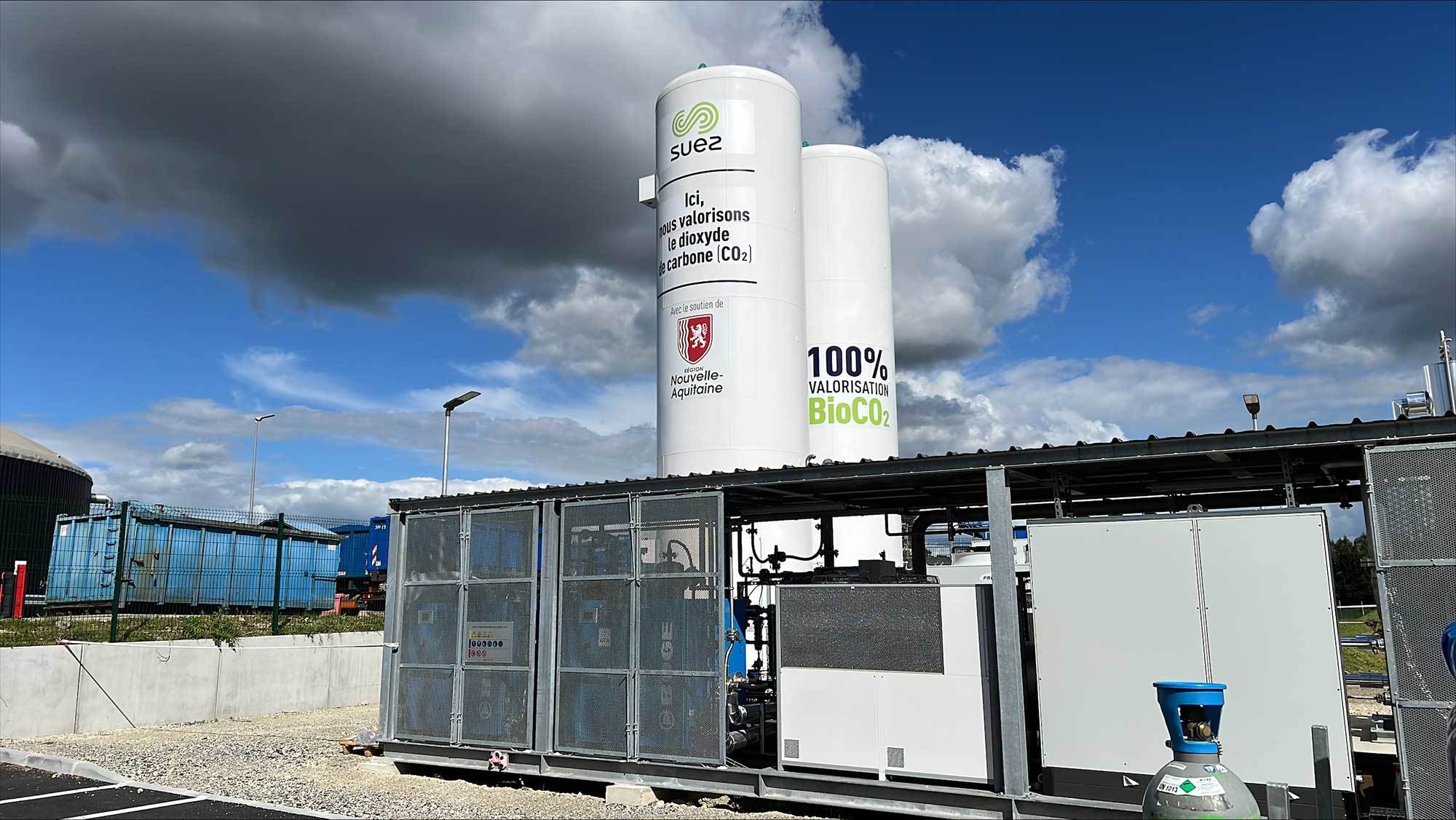
We are pushing the boundaries of anaerobic digestion by developing innovative solutions to capture and recover biogenic CO₂ from the anaerobic digestion process. This carbon dioxide, which is naturally present in biogas, is considered a renewable resource, in the same way as biomethane, heat or electricity produced from organic waste.
Beyond agriculture, biogenic CO₂ can be used in many other local applications: food refrigeration, manufacture of CO₂ fire extinguishers, cultivation of algae for food or cosmetics.
Since January 2025, the solid digestates from Terres d'Aquitaine (33 – France), which we operate, have benefited from an unprecedented European certification. This official recognition attests to the exceptional agronomic quality of these organic residues resulting from the anaerobic digestion process. This is a first in France, which confirms the Group's expertise in the recovery of biowaste and the sustainable management of organic waste.
This innovative product, marketed via our partner TERRIAL is a high value-added agronomic solution. It makes it possible to recover biowaste into a quality organic amendment, helping to nourish the soil while reducing dependence on chemical fertilisers.
We support communities and agricultural stakeholders in setting up local loops that transform biowaste into resources.
A strong partnership with farmers
We recently signed a partnership with EMC2, the first cooperative in Lorraine with more than 3,000 farmers.
Objectives:
The result is value-creating local cycles, sustainable solutions for farmers and a direct contribution to soil fertility.
Outlets for organic products
Downstream, we are developing markets for products derived from the recovery of biowaste.
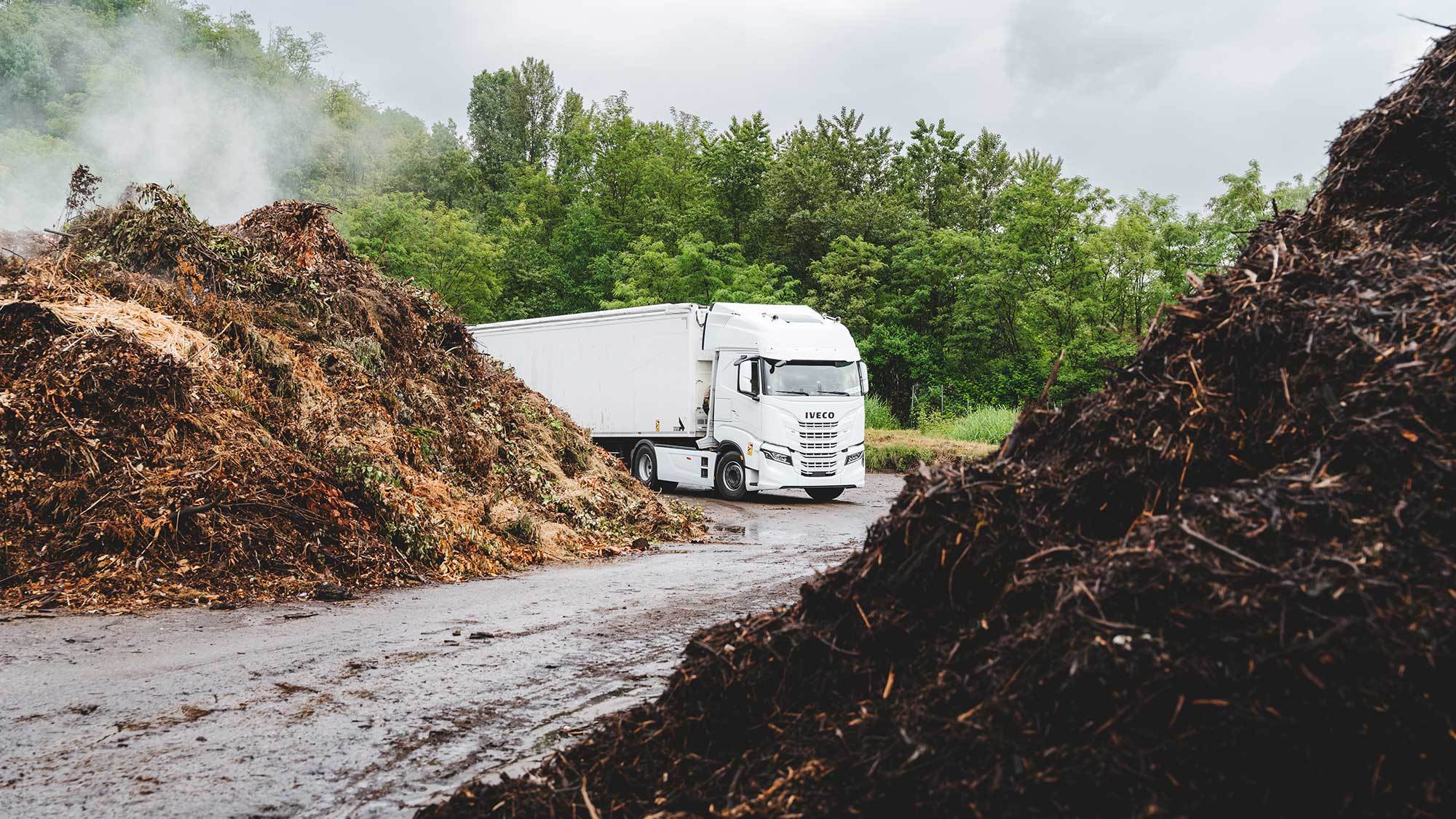
In France, quality and traceability are ensured throughout the chain. Our partner TERRIAL markets standardised compost produced at our facilities, as well as certified digestate, to a network of partners including cooperatives, spreading contractors and transport providers. These products are sourced from all our organic recovery centres and anaerobic digestion plants in France, ensuring consistent quality and full traceability.
Anaerobic digestion inputs include:
Yes. In the UK, separate collection of food waste is being introduced under the Environment Act 2021 and associated “Simpler Recycling” regulations. In England, local authorities are required to implement weekly food waste collections for households by 31 March 2026, with phased rollout depending on local readiness and procurement timelines. Requirements for businesses are also being introduced on a staged basis.
This includes food waste and other biodegradable organic materials. At SUEZ, we support organisations in implementing suitable collection systems and treatment solutions tailored to operational needs.
For local authorities, there is a statutory duty to provide food waste collection services within the national rollout framework. For households and businesses, participation depends on implementation stage and local arrangements. We also provide engagement services to improve source separation and collection quality.
At SUEZ, our support is comprehensive:
These systems improve the quality of sorting, facilitate local recovery and meet regulatory obligations.
Anaerobic digestion is a concrete solution to:
Overall, anaerobic digestion promotes the production of local resources and contributes to improving yields, reducing the use of fossil fuels and enriching the soil.
We ensure the downstream recovery of biowaste thanks to solid partners such as TERRIAL, our joint venture with the AVRIL Group, which markets certified digestates and standardised composts to agricultural customers.
We are also a partner of EMC2, the first agricultural cooperative in Lorraine, which entrusts us with its livestock manure in order to produce local green energy, and redistribute it to partner structures to enrich the soil with digestate.
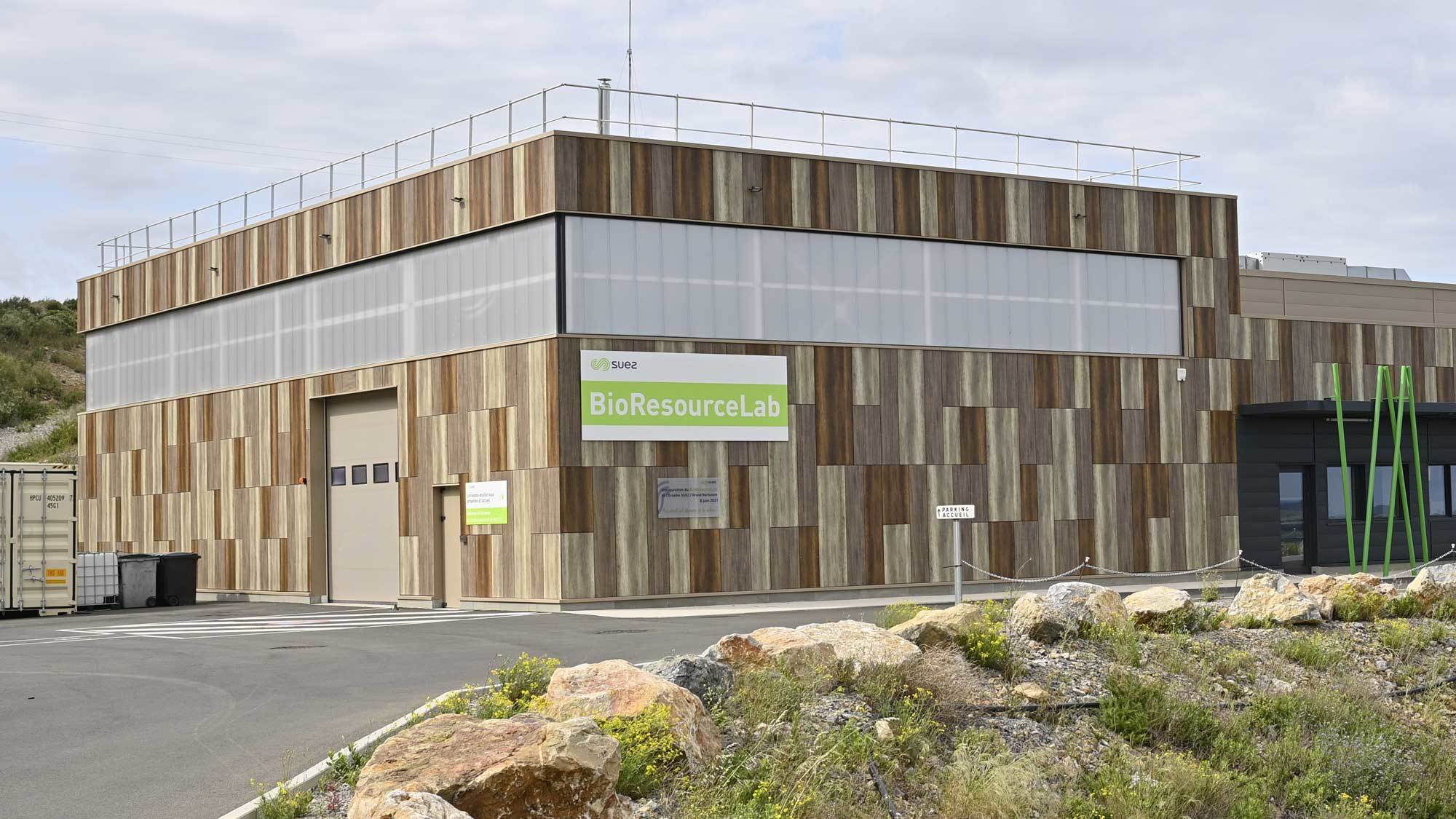
Innovation is at the heart of our strategy at SUEZ, for sustainable management of biowaste. Thanks to our centers such as the BioResourceLab, the Group develops advanced recovery solutions in:
These innovations are tested at different scales from the laboratory to industrial sites by multidisciplinary teams including researchers, engineers, technicians and PhD students. We also collaborate with academic institutions such as INRAE and technology start-ups to accelerate the development of solutions adapted to climate challenges and environmentally responsible practices.