- Reduce sludge amounts
- Produces renewable energy, biogas
- The essential tool on wastewater treatment plants for achieving energy neutrality
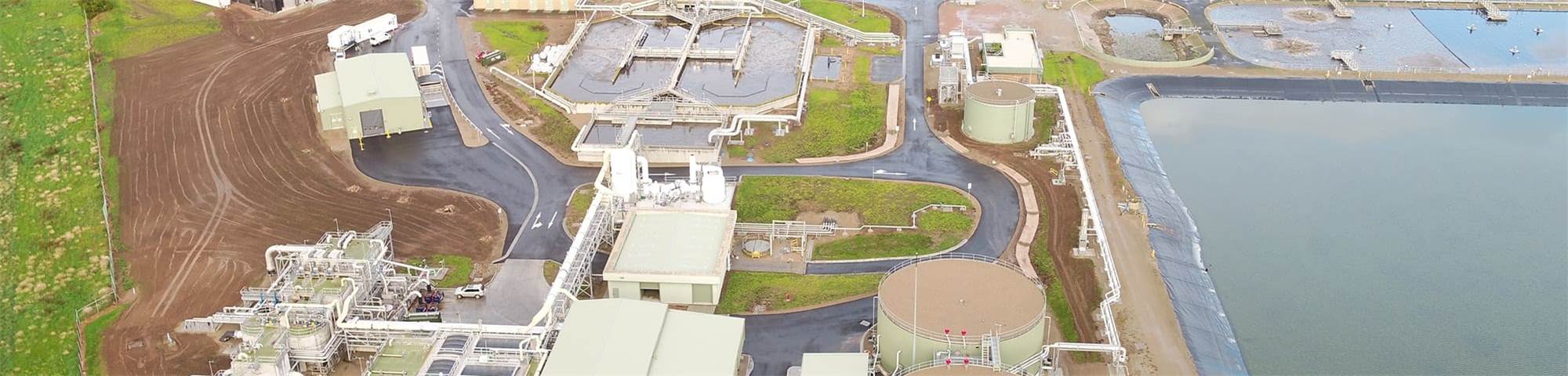
Anaerobic digestion: reducing sewage sludge and producing recoverable biogas
We offer a range of technological processes to meet your needs and adapt to the characteristics of the sludge and the technical and environmental constraints of your sites.
We are constantly innovating to improve the technical and economic performance of our processes, and to maximise the energy potential of sewage sludge.
Our processes
We have also developed the advanced Dehydris Ultra dewatering workshop with hydrothermal carbonisation. When positioned downstream of anaerobic digestion, it increases biogas production by 20-30% and produces biocoal for use in agriculture or as a biofuel.
Our construction solution
Conventional sewage treatment and anaerobic digestion plants are made of concrete. However, we have expanded our range to include the innovative, low-carbon Digelis Simplex: a metal-design digester developed in partnership with the German company LIPP. To date, we have installed more than 35 Digelis Simplex units at wastewater treatment plants.
What happens to the outgoing digestate?
Digestate can be used in agriculture as an alternative to chemical fertilisers, depending on the local regulation. Thanks to anaerobic digestion, which stabilises the organic matter, spreading operations cause less odour nuisance. In the case of sludge digestate, it can be used in agriculture either directly or after composting. However, if they are incompatible with agricultural recovery or there are insufficient outlets, they can be directed to thermal recovery channels, such as pyrolysis, sludge incineration furnaces, EfW and cement plants.
Recovery of nitrogen and phosphorus from dewatered digestate

Biogas: a renewable and sustainable energy source produced through anaerobic digestion

Heat and/or electricity production
Biomethane production
Since 2014, we have supported you in recovering biogas produced and pre-treated at your plants and converting it into biomethane. This green gas has a neutral CO₂ balance, is compatible with injection into city gas networks, and can be used as a biofuel (BioCNG) for developing green mobility, improving air quality, and reducing emissions.
We have developed a range of Methanis solutions, including the extensive purification of pre-treated biogas to produce biomethane, which can then be processed to meet end-use requirements.
BioCO₂: a complementary resource with clear value for recovery and use
Biogas consists of approximately 65% methane and 35% carbon dioxide (CO₂). When biogas is cleaned to produce biomethane, the methane is separated from the CO₂. BioCO₂ is largely unrecovered and represents a potential resource that can be captured and utilised locally.

Carbon dioxide (CO₂), a well-known greenhouse gas, is also an industrial product with multiple applications.
The CO₂ currently used on the market is mainly fossil CO₂ from steam reforming of fossil gas to produce hydrogen for ammonia production. BioCO₂, which is produced by anaerobic digestion, is a renewable alternative to fossil CO₂ and enables users to reduce their carbon footprint.
We can support you in your projects for the material recovery of bioCO₂ produced at your facilities, helping you to contribute to the circular economy in your area.
For ease of use and transportation, it is pre-treated and liquefied.
It can also be used to produce energy, for example, methanation combines it with hydrogen to produce synthetic methane.
They trust us
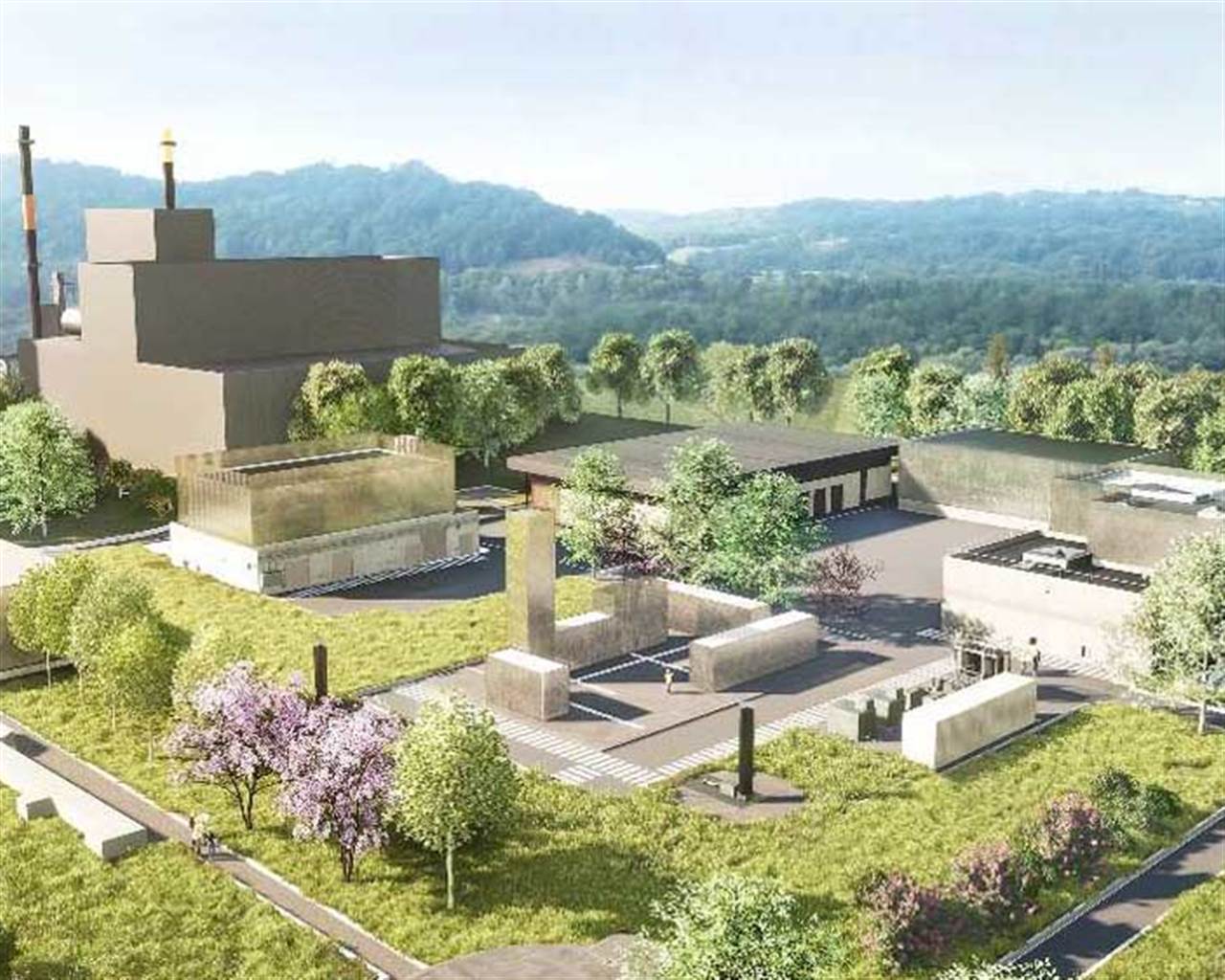
The "Biofactory" of Pau-Lescar: a resource factory

Frequently asked questions
Anaerobic digestion is a popular process that can be controversial.
While the anaerobic digestion of sludge at wastewater treatment plants has not been opposed in the past 45 years, the widespread development of anaerobic digestion in agriculture and industry today generates concerns and opposition from certain stakeholders, such as local residents.
The following issues are of particular concern: odour nuisances, methane leaks and the spreading of digestate. Regarding odour nuisances, these can be linked to the supply of external inputs, i.e. delivery and unloading operations carried out in open environments (e.g. unloading bulk into tanks outdoors).
However, it is possible to design factories with closed, ventilated and deodorised enclosures.
As industrial professionals in anaerobic digestion, we pay particular attention to odour nuisances when designing our facilities.
Methane leaks are a legitimate cause for concern due to the associated risks and greenhouse gas emissions (methane has a warming potential 30 times greater than carbon dioxide). As mentioned earlier, our anaerobic digestion process is well-established and under control, and industrial safety is one of our key priorities. A leak check is carried out on our industrial facilities by a third-party organisation before commissioning, and regular checks are carried out during the operational phase.
Like any fertilising material, the spreading of digestate is highly regulated (quantities added to the soil, soil type, crop type, distance from watercourses, etc.) and strict controls are carried out. Digestate, whether composted or not, is not spread on the soil if it does not comply with the spreading regulations or BSI PAS110. Land application of digestate is subject to regulatory controls, including compliance with environmental permitting or end-of-waste requirements, nutrient management planning, and consideration of soil, groundwater and human health protection criteria.