

A project built for current and future needs
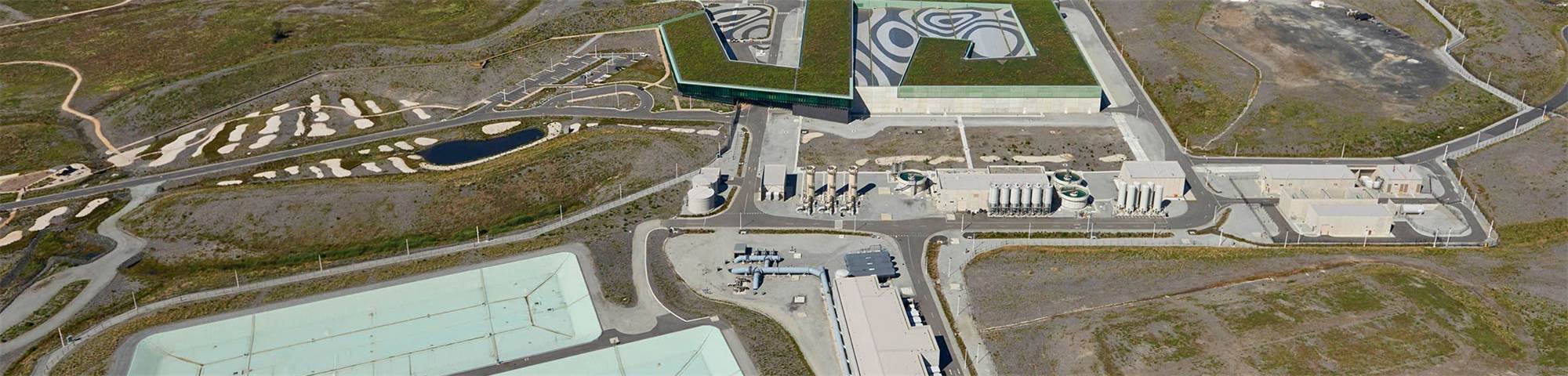
The Victorian Desalination Project is a remarkable example of sustainable and innovative infrastructure that effectively addresses the complex challenges of water management amid climate change. Its development was based on desalination technologies, a demanding environmental framework and consideration of local issues throughout the project.
This achievement fully demonstrates SUEZ’s ability to support its clients in implementing integrated solutions that balance technical performance, environmental stewardship, and positive social impact.

Australia

Desalination

440,000 m³/day

Commissioning 2012
Energy use and carbon footprint

Climate Pillar

Local authorities and regional stakeholders face the ongoing challenge of ensuring a reliable and climate-resilient water supply in a context of variable rainfall, climate pressures and population growth. This requirement for continuity of service is accompanied by the need to manage energy use and associated environmental impacts over the long term.
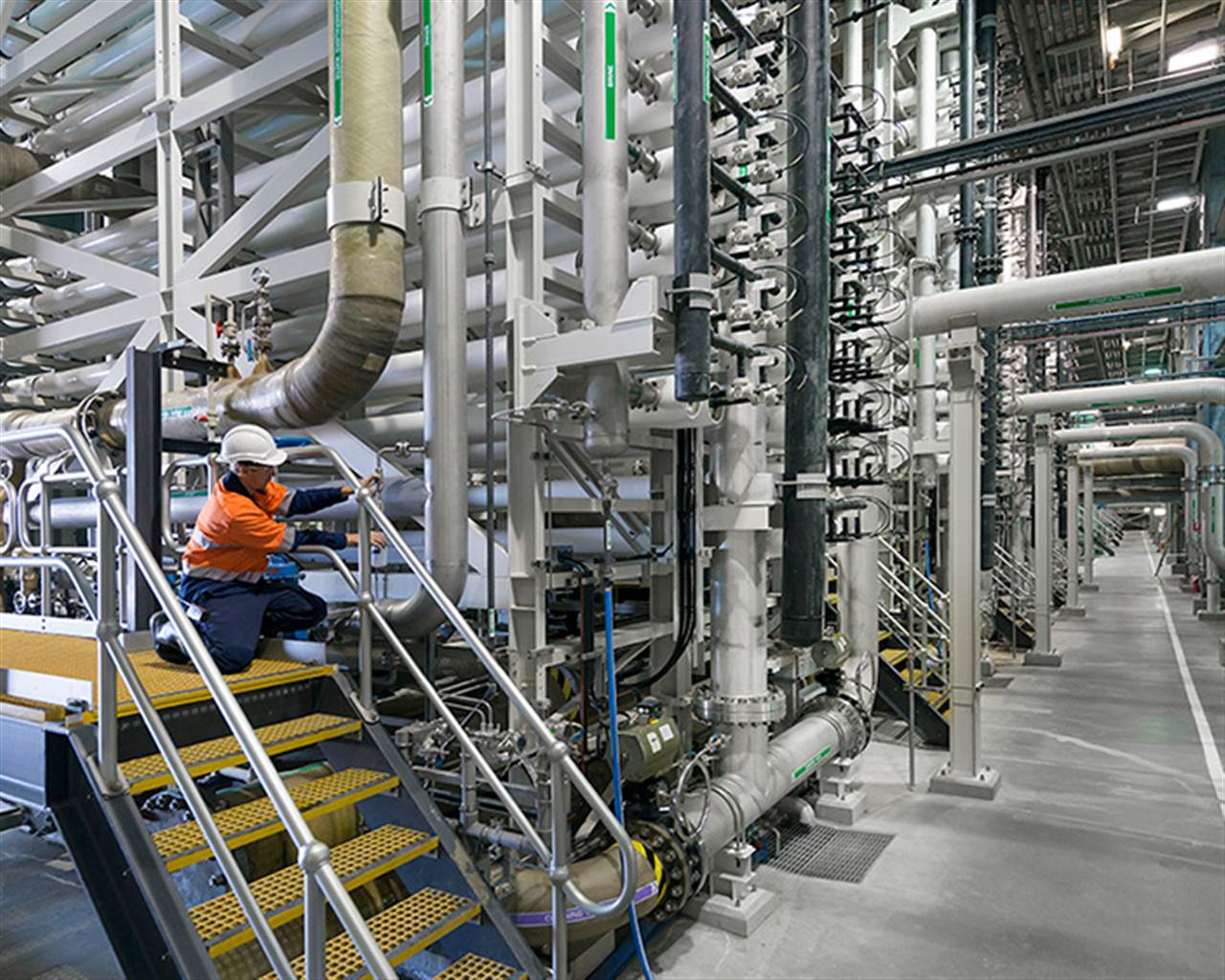
Commissioned in the early 2010s, the Victorian Desalination Project was designed to meet the objectives within a defined technical and contractual framework. Its reverse osmosis system relies on established and widely used technology at the time of construction, ensuring robust and reliable operation under local conditions.
As part of the project Deed, a contractual requirement was introduced to offset the electricity consumption of the plant through the purchase and surrender of Renewable Energy Certificates, following the Environmental Effects Statement process. This mechanism contributes to supporting renewable energy generation within the Australian grid, although it does not fully address all sources of the project’s carbon footprint, particularly those related to chemical use and consumables.
The facility also incorporates energy recovery devices that were standard practice at the time of installation, contributing to improved energy efficiency in the desalination process. More broadly, the plant was specifically designed to meet local environmental conditions, water quality requirements and contractual performance level.
State-Led landscape restoration

Nature pillar
With rapid urbanisation and climate change, local governments and water operators must ensure reliable access to water while safeguarding biodiversity and natural ecosystems. Integrating large-scale infrastructure into sensitive environments, minimising impacts on landscapes, and preserving natural habitats are therefore key priorities, requiring both technical excellence and strong environmental and social responsibility.
It is in this context that the Victorian Desalination Project (VDP) was developed. The site, selected by the State Government, had already been cleared and used for agriculture, avoiding development within a pristine natural landscape. From the outset, the project incorporated clear contractual commitments to ecosystem preservation and sustainable land management.
In 2009, the Aquasure consortium, including SUEZ, was awarded the concession in part due to its commitment to restore the site, as far as possible, to its condition prior to European settlement. This commitment has been implemented through initiatives such as the creation of a 225-hectare ecological reserve surrounding the plant and the installation of a green roof. Today, the reserve represents one of the largest ecological restoration projects ever undertaken in the state of Victoria, contributing to the protection and enhancement of local biodiversity.
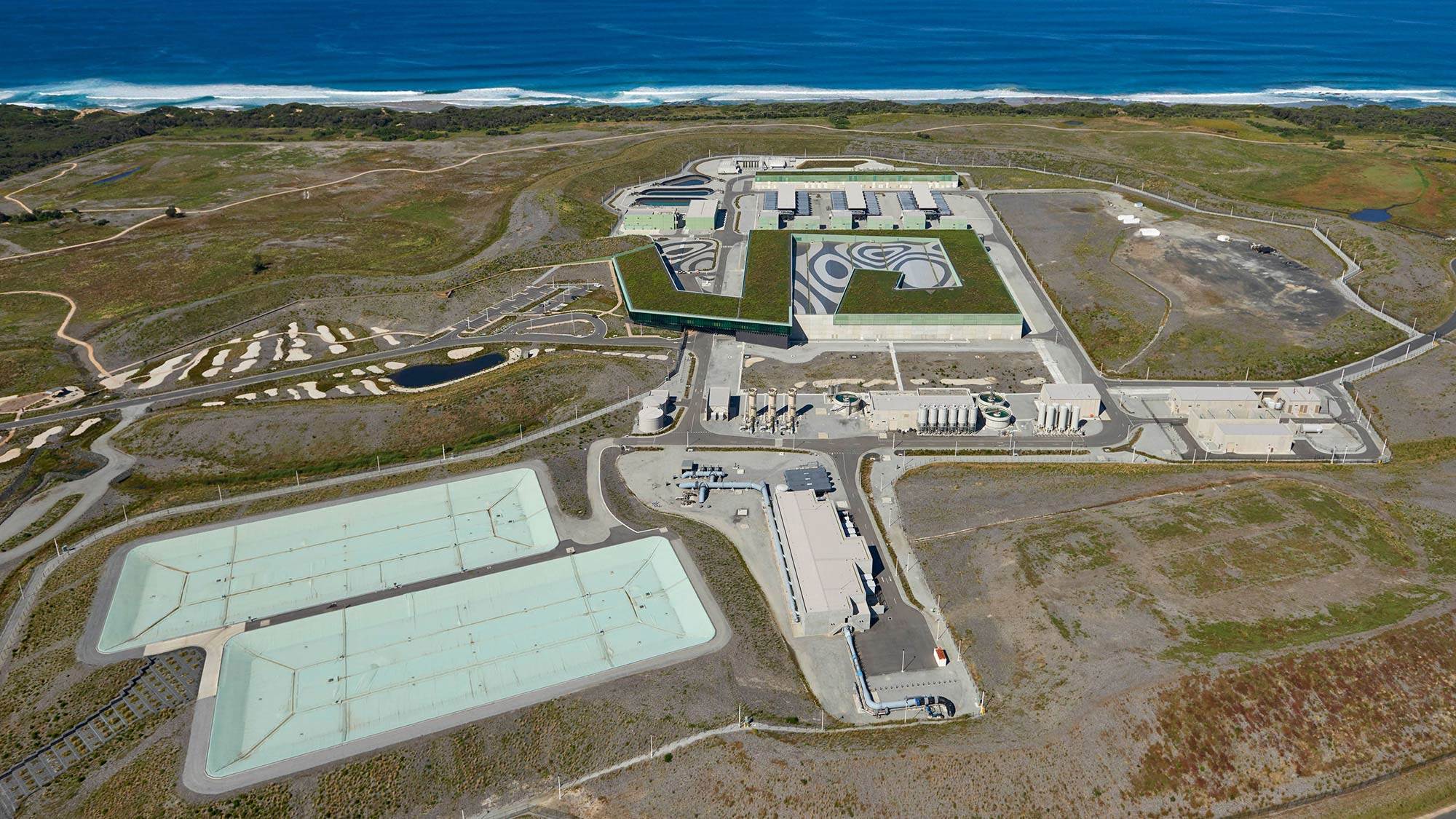
The complex is governed by 221 strict environmental requirements covering the entire project lifecycle not limited to facility sitting or the development of ecological reserve. These requirements address key aspects such as air quality, wetland protection, and visual impact limitation, ensuring exemplary integration into the landscape.
The project places the company's identity at the heart of this framework by positioning sustainable resource management and ecosystem preservation as central priorities. Today, the reserve is open to the public, offering the local community a variety of recreational activities such as walking, bird watching, cycling, and picnics with family and friends. This community-focused approach contributes to improving the local environment and the lives of residents living in the area.
A project favouring local solutions and social acceptance

Social Pillar

For local authorities and water service providers, ensuring reliable access to drinking water in a context of population growth and climate uncertainty is a long-term challenge. In addition to maintaining service continuity, infrastructure projects are increasingly expected to consider their economic and social contribution to the communities they serve. The construction and operation of the plant generated local employment opportunities and contributed to regional economic activity. The project was based on continuous dialogue with relevant stakeholders throughout its development.
The Victorian Desalination Project contributes to securing the drinking water supply of approximately 4.5 million residents in Melbourne, Geelong and surrounding areas, helping to reduce vulnerability to variations in water availability. The ecological reserve surrounding the facility is open to the public and supports a range of recreational activities. It also provides an accessible space for local communities.
The Victorian Desalination Project is one of the largest public-private partnership (PPP) projects developed in the Australian water sector. The project was delivered by the AQUASURE consortium, comprising SUEZ, Thiess Pty Ltd and Macquarie Group, in partnership with the Capital Projects Division of the Victorian Department of Energy, Environment and Climate Action.
