

A sustainable model supporting public health, water and climate
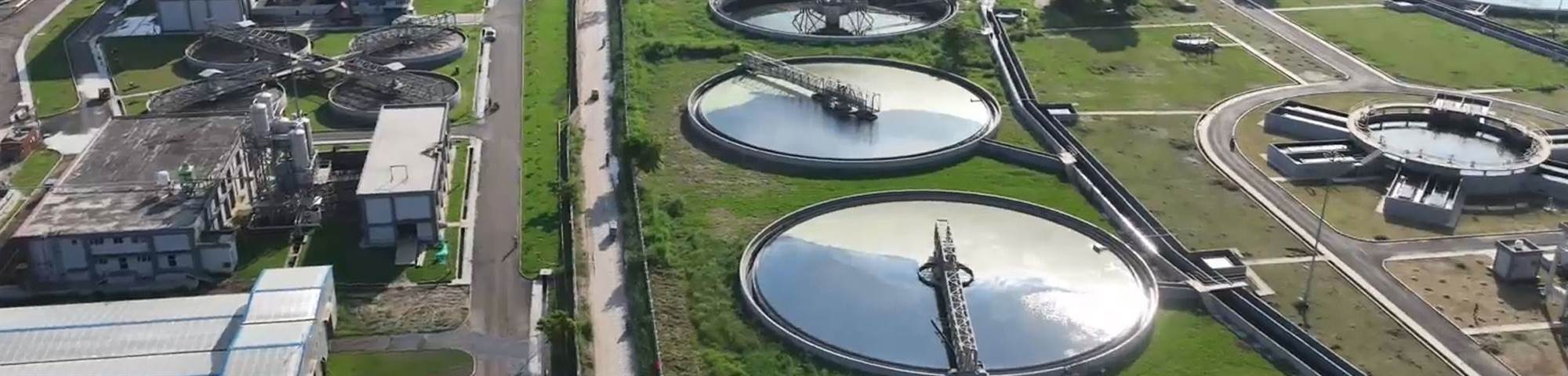
The Okhla Biofactory® shows that it is possible to support urban growth while reducing environmental impacts. By reducing pollution in the Yamuna River, the plant helps improve health conditions for millions of people. It also produces renewable energy from biogas, helping reduce the environmental footprint of wastewater treatment in New Delhi. The project includes wastewater treatment systems adapted to local needs, while helping protect water resources and biodiversity. Okhla is an example of infrastructure designed to improve wastewater management in a dense urban environment.

India

Waste Water Treatment Plant

150,000 tonnes/year

Commissioning 2024
* Design ,Build and Operate
Produce renewable energy to reduce the city’s carbon footprint

Climate pillar

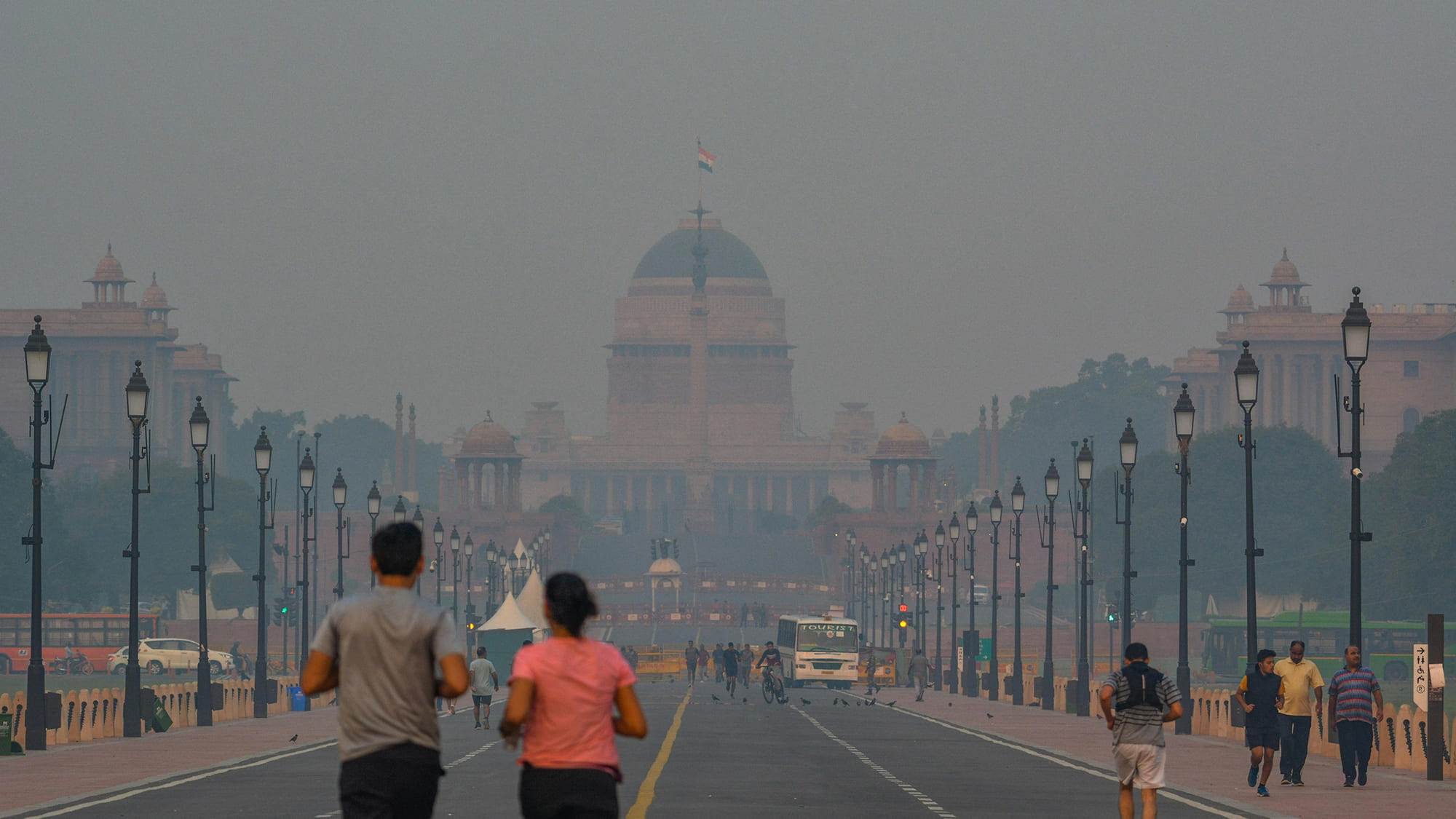
In a large city such as New Delhi, population growth and urban development place constant pressure on infrastructure. Energy supply has become a major issue for public operators and local authorities, which must ensure essential services such as wastewater treatment while managing operating costs affected by energy price fluctuations. This dependence on external electricity sources also increases the carbon footprint in a country already facing significant air and water pollution issues.
For local authorities, the challenge is no longer only to treat wastewater efficiently, but also to do so while improving energy autonomy and limiting greenhouse gas emissions. Producing renewable energy locally and reducing dependence on the electricity grid, which remains highly carbon-intensive in India, are now important priorities for cities working on climate adaptation and emission reduction.
The Okhla Biofactory® was designed to address these challenges. The plant includes anaerobic digestion and sludge recovery processes that convert waste into a local energy source. Around 2,176 Nm³/h of biogas are produced and converted into electricity and heat, covering about 55% of the plant’s electricity needs. This reduces dependence on external energy sources and helps maintain service continuity during periods of high energy demand.
Each year, the plant produces more than 40 GWh of renewable electricity, avoiding 40,000 tonnes of CO₂ emissions, equivalent to the annual emissions from 18,400 round trips between Paris and New Delhi.
In Okhla, the wastewater treatment plant goes beyond treating wastewater. It is a Biofactory®, creating local value for the Indian capital by producing new resources, particularly renewable energy. It provides a concrete illustration of SUEZ’s commitment to designing and deploying innovative infrastructure that strengthens the resilience of local communities.
Restore ecosystems and strengthening the resilience of India’s capital

Nature pillar
In large cities facing chronic water stress, water scarcity and the degradation of natural environments are becoming major challenges for local authorities. The Yamuna River, which is a vital resource for millions of people, is now one of the most polluted rivers in the world due to untreated domestic and industrial wastewater. This situation affects aquatic biodiversity, increases health risks and reduces the availability of good-quality water for urban and industrial uses.
At the same time, urban expansion is reducing green spaces and worsening air pollution, making New Delhi one of the cities with the highest levels of fine particles in the world. Local authorities therefore face a double challenge: improving water quality and protecting aquatic ecosystems, while also restoring green spaces that can help improve air quality, protect soils and improve living conditions for residents. The challenge is no longer only to treat wastewater efficiently, but also to develop a broader approach linking environmental protection, public health and urban infrastructure.
The Okhla Biofactory® was designed to help address these issues. The plant treats large volumes of wastewater every day, helping prevent the discharge of organic and chemical pollutants into the Yamuna River. The treated wastewater meets strict environmental standards and can be reused for non-potable urban and industrial purposes, with a reuse capacity of 182,000 m³ per day. The plant also produces treated biosolids that can be reused in compliance with health and safety standards, supporting resource recovery and the gradual restoration of aquatic ecosystems.
The project also supported the creation of a large green area in the centre of the city, with more than 4,000 trees planted and renaturation areas developed around the site. Combined with the compact design of the facility, which reduces land use, these measures help support local biodiversity, limit soil erosion and contribute to reducing the city’s environmental footprint.
The project was designed to provide environmental and social benefits for the surrounding area by improving local resilience and living conditions for nearby communities.


With the Okhla Biofactory®, the wastewater treatment plant contributes not only to improving water quality in the Yamuna River, but also to protecting biodiversity and strengthening green spaces in New Delhi.
Serve a city of 4 million residents

Social pillar


In large cities such as New Delhi, population growth and rapid urbanisation create many social and economic challenges, including overloaded infrastructure, health risks linked to untreated wastewater, limited space for new public facilities and the need to support local economic activity. Local authorities therefore need practical solutions that help improve public health and adapt infrastructure to these growing challenges.

The Okhla Biofactory® helps protect more than 4 million inhabitants from waterborne diseases, contributing to better living conditions. The replacement of the old plant with a more compact facility also reduced the land footprint of the site from 124 hectares to 47 hectares. The 77 hectares freed up can now be used for other urban purposes that benefit local communities.
Throughout the project, local jobs were created and training and awareness programmes were carried out with local NGOs to support the integration of the Biofactory® into the local urban environment.
Biofactories® such as Okhla show how wastewater treatment infrastructure can also support public health, local development and more efficient land use in large cities facing similar challenges.