

A Sustainable Infrastructure
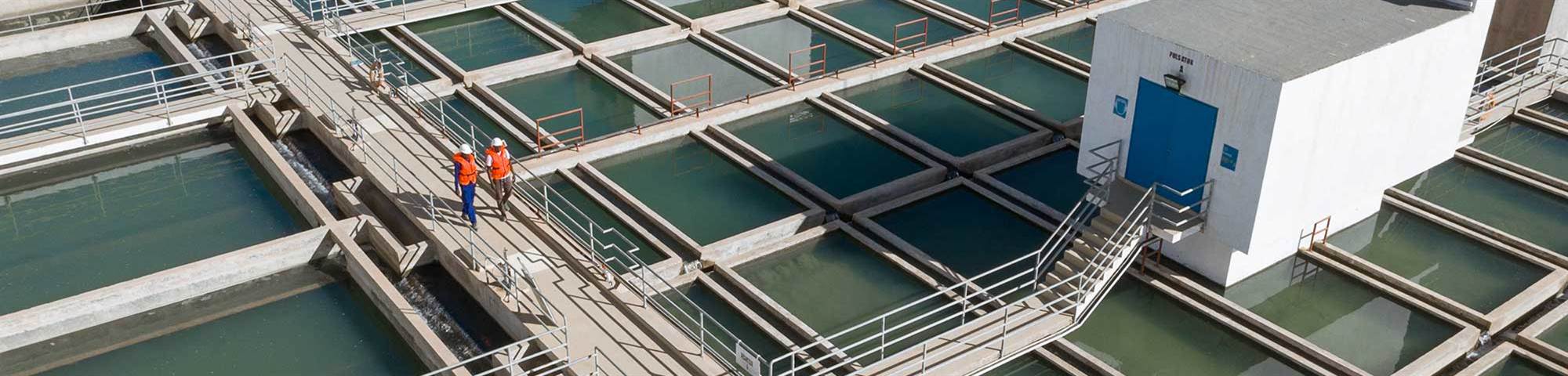
This project represents an important step forward for wastewater management in West Africa. It demonstrates SUEZ’s ability to combine technical expertise with a strong understanding of local contexts to address complex environmental and urban challenges. The infrastructure plays a key role in protecting this exceptional natural area in Senegal by contributing to the gradual improvement of environmental quality and helping reduce the pollution pressures affecting the ecosystem. Through enhanced wastewater treatment, the project supports the long-term preservation of natural resources while improving environmental conditions for surrounding communities.

Senegal

Wastewater

26,000 m³ / day

Commissioning 2026
Reducing Greenhouse Gas Emissions and Producing Local Renewable Energy

Climate pillar

In many urban areas, wastewater management is an increasing challenge, driven by rapid urbanisation, population growth and limited energy resources. Rising operating costs and the need to reduce the carbon footprint of infrastructure are leading local authorities to turn their sanitation systems into levers for environmental and operational performance.
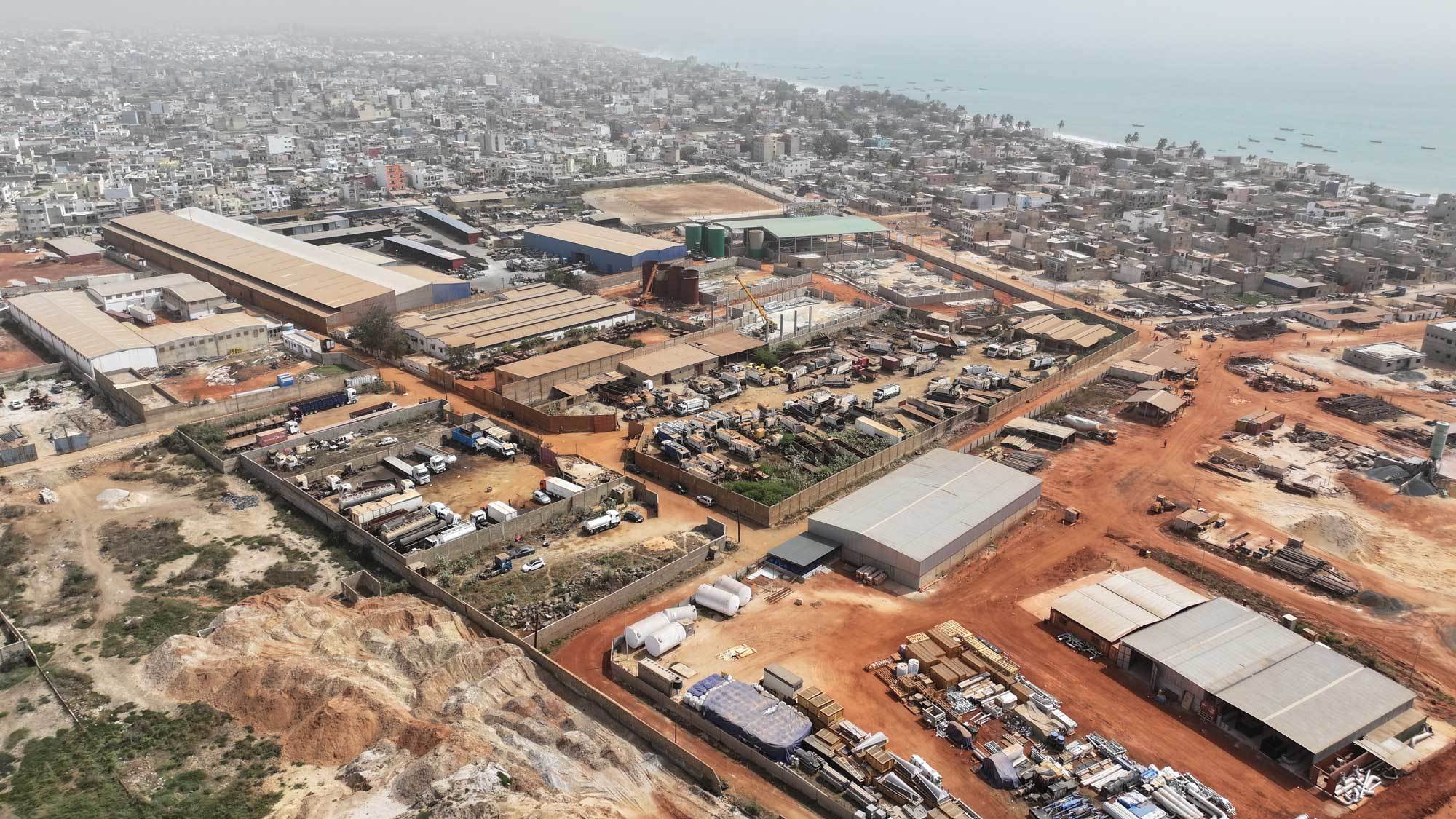
In Dakar, Hann Bay illustrates this situation: a densely populated area exposed to industrial pollution and overflows during heavy rainfall events. In this context, developing a plant that combines effective treatment, energy efficiency and climate resilience addresses a concrete need.

The digestion process also reduces the volume of sludge produced. Overall, the system contributes to a reduction of more than 30% in greenhouse gas emissions while ensuring service continuity during periods of heavy rainfall, thereby strengthening the resilience of the territory.
t in field]Restoring a unique marine ecosystem

Nature pillar
In many coastal cities, the gradual degradation of aquatic environments is placing increasing pressure on marine ecosystems and the quality of life of local communities. The accumulation of untreated domestic and industrial discharges, combined with ageing wastewater infrastructure, can lead to biodiversity loss, landscape degradation and a decline in the attractiveness of coastal areas.
In this context, restoring environments that have been degraded by decades of human activity has become a shared challenge for many coastal metropolitan areas, which must balance urban development, biodiversity protection and quality of life.

To address these challenges, the Hann Bay wastewater treatment plant was designed according to rigorous environmental standards. The facility ensures treated wastewater discharges that comply with the most stringent regulations, without the use of chemical reagents, while also being adapted to flooding risks and strong wave conditions. The biological treatment process, based on a three-zone configuration particularly suited to nutrient-rich wastewater, enables effective control of nitrogen and phosphorus loads, helping to limit eutrophication in the bay.
The project design also placed strong emphasis on environmental integration and future adaptability, creating opportunities for the future reuse of treated wastewater for non-potable applications. With a treatment capacity of up to 26,000 m³ of wastewater per day, the facility contributes to the gradual restoration of marine biodiversity while avoiding the use of chemical reagents during primary treatment. As such, it provides a practical example for communities seeking to restore degraded coastal environments while improving wastewater management performance.
Contribute to restoring a unique ecosystem

Social pillar
In rapidly growing urban areas, access to reliable and safe sanitation services is essential to protect public health and improve living conditions.
In Dakar, the degradation of Hann Bay had made swimming and fishing impossible and was affecting local economic activities linked to the coastline. In this context, improving the quality of life of the 500,000 inhabitants living in the nine municipalities surrounding the bay became a priority for local authorities.
The wastewater treatment plant built as part of the Hann Bay pollution control program provides a concrete response to these social and territorial challenges. By intercepting wastewater at source and ensuring effective treatment, the facility reduces odour nuisances and pollution that previously affected surrounding communities. A centralised odour treatment system controls emissions from all sensitive areas of the site, facilitating its integration into the urban environment.
The project is also based on a shared governance approach and the application of the "polluter pays" principle. The construction phase mobilised local companies and expertise, contributing to job creation and supporting the development of the regional economy.