

An integrated approach to amplify sustainable impact
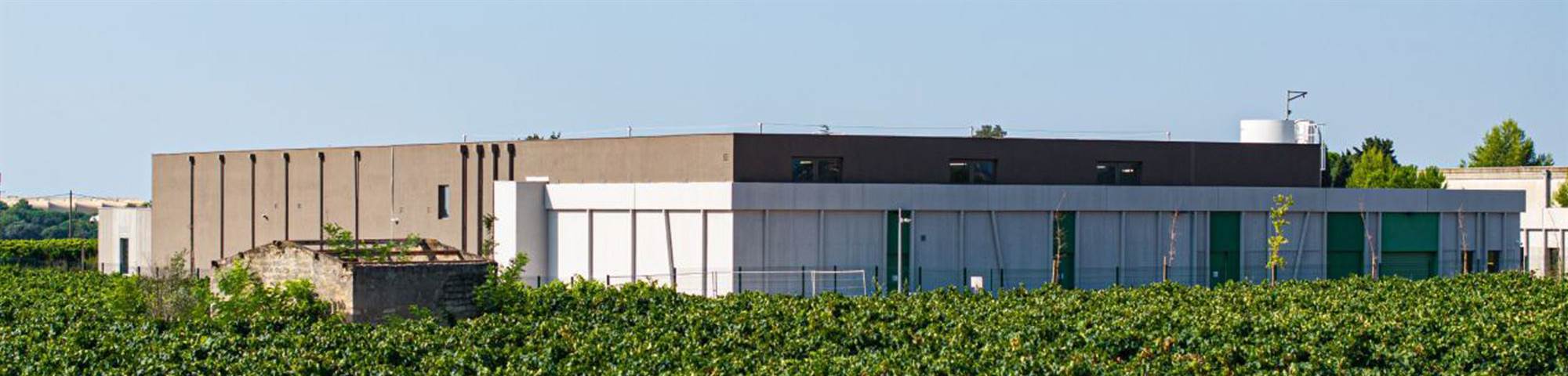
The Valedeau project illustrates an integrated approach to infrastructure development, based on strong local integration, consideration of natural ecosystems and a design focused on long-term sustainability. It demonstrates an approach that combines technical expertise, adaptation to the needs of each territory and anticipation of evolving needs. Through this approach, infrastructure can become a genuine driver of sustainability for local communities and territories.

France

Drinking water

6,000 à 6,4800,m³/day

Commissioning 2024
* Design and Build
Reduce the carbon footprint and adapt to climate change

Climate Pillar

Faced with the dual challenge of ageing drinking water production infrastructure and the need to adapt to climate change, the Régie des Eaux de Montpellier must also respond to significant seasonal variations in water demand. The construction of the new Valedeau plant was therefore designed to strengthen the territory’s resilience by addressing two key objectives: securing the drinking water supply while reducing the environmental and energy footprint of the service.

The project incorporated several sustainable construction measures aimed at reducing its environmental footprint. More than 70% of the concrete used was produced within 10 kilometres of the construction site, helping to limit emissions associated with material transport. Excavated materials were also reused as backfill for the construction of the treatment plant and operational buildings, reducing both the need for virgin materials and the volume of material requiring off-site disposal.
In addition, photovoltaic panels were installed to generate renewable energy directly on site. The project followed a recognised bioclimatic design approach and achieved the Bronze level of the Bâtiment Durable Occitanie (BDO) certification awarded by Envirobat. A strong emphasis was placed on local sourcing by prioritising regional resources, materials and stakeholders throughout the project. This approach helped limit greenhouse gas emissions associated with construction activities while supporting the local economy.
This approach combines resource efficiency and operational performance through a comprehensive approach. It aims to sustainably reduce the carbon footprint per cubic metre of water treated and optimise every kilowatt consumed.
Preserve resources and reduce environmental impact

Nature pillar
Integrating a strategic infrastructure within a preserved natural environment requires addressing a key challenge: delivering high technical performance while maintaining the site's ecological balance. This is an issue faced by many local authorities when modernising essential infrastructure. The Valedeau project illustrates this approach. From the outset, its development considered the characteristics of a territory with rich biodiversity, as well as the need to minimise the footprint of the facility.
The site layout was designed to follow the natural topography, limiting footprint and improving landscape integration. Specific ecological measures were implemented throughout the project. Shelters for reptiles, artificial ponds and refuge areas were created to provide suitable habitats and support local plant and animal biodiversity. Ecologists were closely involved in monitoring the project throughout the construction phase. The work schedule was adapted to respect breeding and hibernation periods of local species, including the ocellated lizard, a protected species characteristic of Mediterranean ecosystems.
A resource-efficient and circular approach to material management was also prioritised, with more than 75% of excavated materials reused on site. This significantly reduced both the logistical requirements and the environmental impacts associated with the construction phase.
Support communities and quality of life

Social pillar
An infrastructure project is also a local development project. Beyond meeting technical requirements, it must respond to the expectations of the communities it serves. With this objective in mind, the Régie des Eaux de Montpellier sought to develop a facility that would create local value through employment opportunities, quality of life improvements and ongoing engagement with residents.
To achieve this, the Régie des Eaux de Montpellier relied on SUEZ’s experience in managing complex, multi-stakeholder projects.
The construction phase generated 40,000 hours of work, including 14,000 hours dedicated to professional integration programs, and involved a broad network of regional subcontractors. This local approach also extended to procurement, with 70% of construction materials sourced within a 10-kilometre radius of the site.
Construction activities were carefully planned to minimise disruption and noise for nearby residents through detailed scheduling and close coordination with local communities, elected representatives and the Regie's teams.
Collaboration between SUEZ, the Régie des Eaux de Montpellier and public operators also supported knowledge transfer and capacity building, helping local operational teams take ownership of the facility and ensuring a smooth transition to operation.