

A model of circular and inclusive transition
The Meknes project illustrates a more integrated approach to waste management, combining environmental performance, social inclusion, and sustainable development objectives. By addressing both environmental and social challenges, this transformation shows that a well-implemented circular economy approach can improve waste management, support the local economy, and contribute to the transition of territories.

Morocco

Waste landfill with energy recovery

Up to 220,000 tonnes/year

Commissioning 2014
Turn Environmental waste into Local resources

Climate pillar
Around 40% of municipal waste generated worldwide is disposed of in uncontrolled landfill sites. This situation can create significant environmental impacts and affect the quality of life of nearby communities.
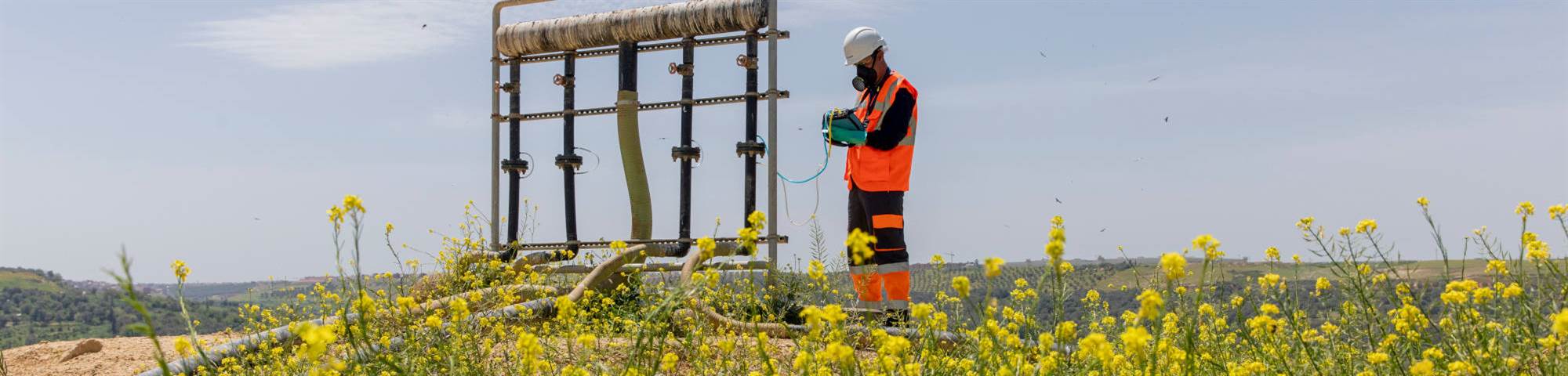
Located close to urban areas, uncontrolled landfill sites can also constrain local development and reduce the attractiveness of a territory. In Meknes, a rapidly growing city renowned for its exceptional historical heritage and recognised as a UNESCO World Heritage Site, the rehabilitation of a 25-hectare uncontrolled landfill became a priority. The project pursued two main objectives: significantly reducing emissions associated with the site and improving the recovery of resources from waste.
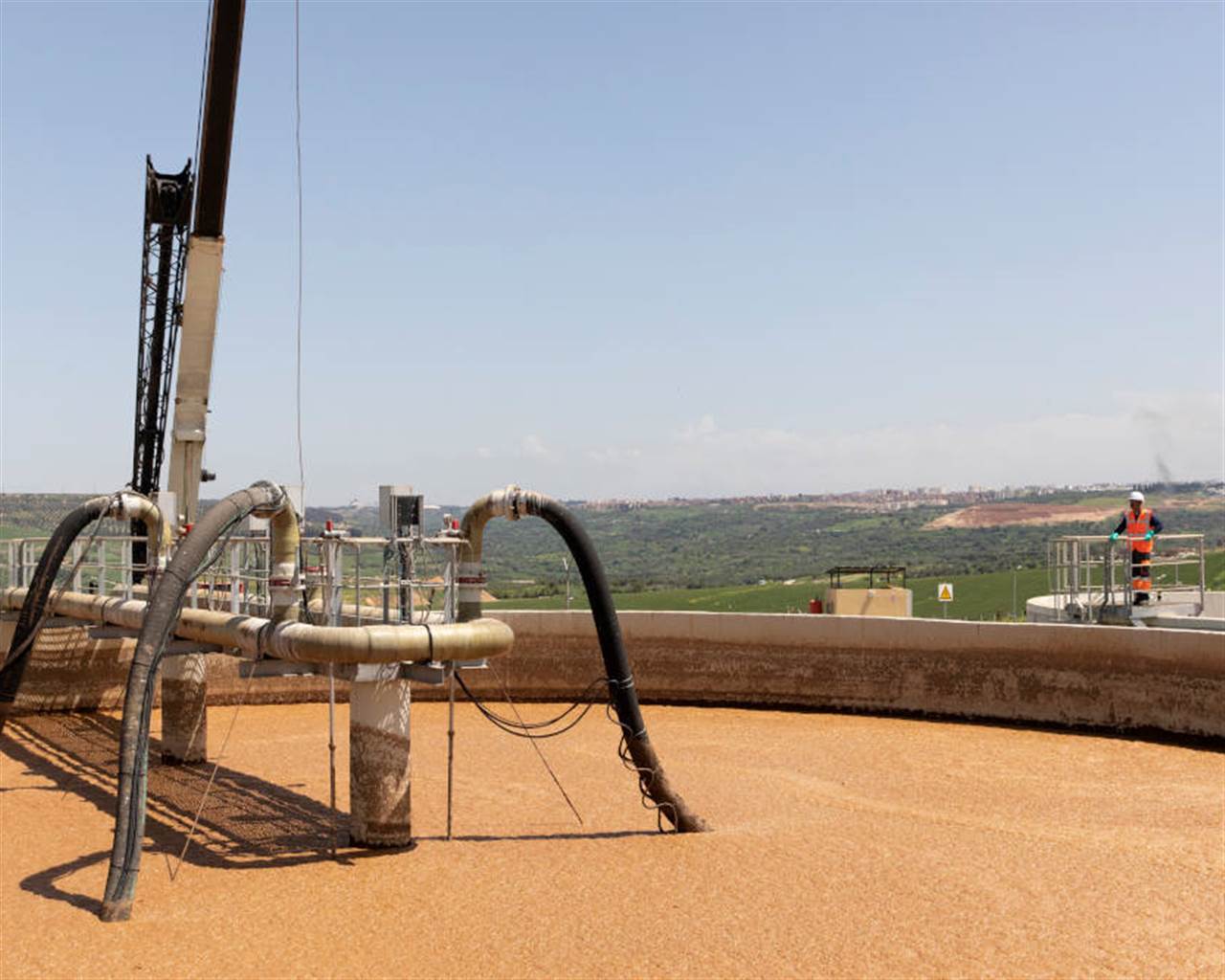
The project carried out in Meknes demonstrates the implementation of circular solutions aimed at reducing greenhouse gas emissions while increasing on-site energy production and supporting the facility’s energy self-sufficiency.
The improvements are expected to avoid approximately 50,000 tonnes of CO₂ equivalent emissions per year from 2026 onwards.
The biogas recovered on site is used to meet the facility’s energy needs, with around 5,500 MWh generated annually. This contributes to reducing greenhouse gas emissions while supporting national and international climate objectives.
Limit the environmental impact of waste streams

Nature pillar
Uncontrolled landfill sites can generate significant environmental impacts, particularly through the production of leachate. These effluents, generated when rainwater percolates through stored waste, can contaminate natural environments if not properly collected and treated. In Meknes, the presence of an uncontrolled landfill posed a long-term threat to surrounding ecosystems and negatively affected the local landscape.

The rehabilitation project transformed this degraded site into a controlled facility integrated into its environment. A 56-hectare treatment centre was developed to collect and treat leachate using a combination of appropriate technical solutions, enabling the production of treated water that can be reused for irrigation purposes.
In parallel, a 7,000 m² composting facility was established to recover organic waste and produce fertilisers for use by local agricultural operations.
The site has benefited from landscape rehabilitation and ecological restoration measures, supported by a program implemented with local partners. These actions demonstrate that waste can be managed safely while protecting local ecosystems and may be replicated in other areas facing similar environmental issues.
Support Communities and Local Development

Social pillar
Informal waste management is often embedded in complex social and economic dynamics. At the Meknes landfill site, around 180 informal waste pickers carried out their activities without formal status or adequate protection measures.
The project aimed to transform this situation into a pathway for social and professional inclusion. A dedicated cooperative, Attadamoun, was established to integrate, support and train informal waste pickers. In addition, a modern 3,000 m² sorting centre was developed to provide a structured framework for these activities.
The results have been tangible: safer working conditions, improved social protection and increased recovery of valuable materials.
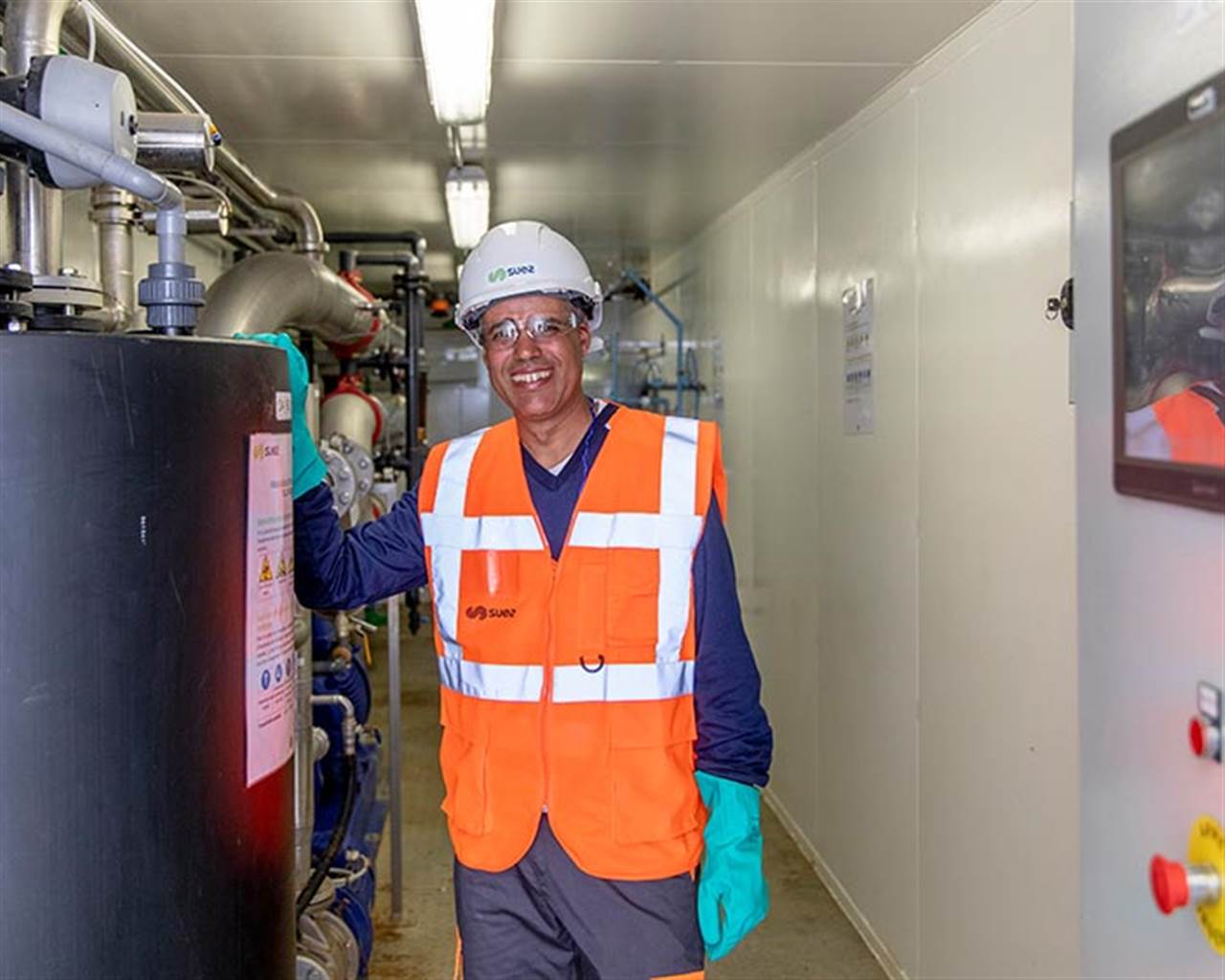
In total, 210 jobs have been created or secured, contributing to local economic development and social inclusion. This ability to build an inclusive circular economy around a complex local challenge demonstrates how waste management infrastructure can generate both environmental and social benefits, supporting territories that seek to combine resource efficiency with social cohesion.