Portrait
Science
Jérôme, the upstream pharmacist
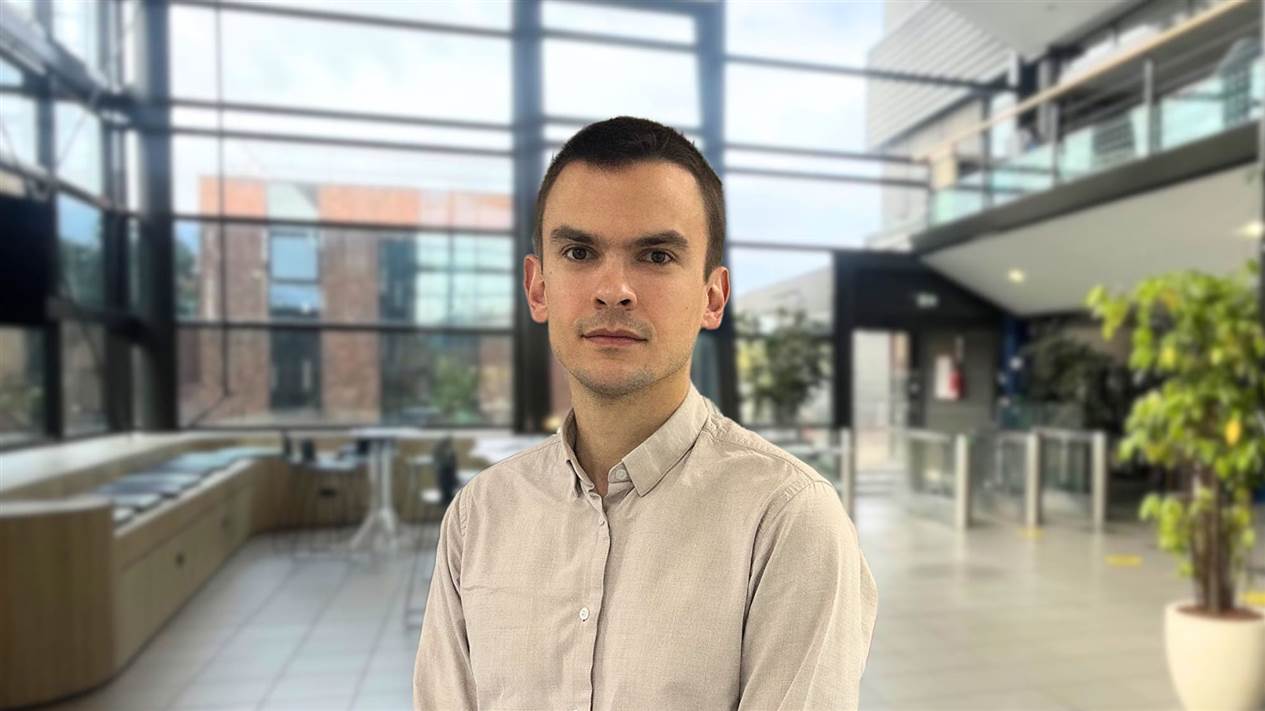
As a specialist in health risk assessment at CIRSEE, SUEZ’s international research centre, Jérôme...
The “One Health” approach is based on the recognition of the close interdependence between human health, animal health and the health of ecosystems. The deterioration in the quality of water resources, soil or biodiversity increases the risk of disease, undermines food security and heightens the vulnerability of populations to climate-related hazards.
Conserving water, treating wastewater and managing floods, restoring natural habitats, collecting and treating waste, enhancing biodiversity, and combating climate change all yield multiple co-benefits: fewer diseases, better-protected ecosystems, and services that are more resilient to climate change.
As early as the 19th century, the hygienist movement demonstrated the close links between living conditions, access to safe water, wastewater collection and treatment, the fight against unsanitary conditions, and life expectancy. The development of drinking water and sanitation networks, as well as and waste collection systems, marked a decisive step forward for public health.
Even today, access to quality drinking water and effective wastewater treatment remains a global challenge, exacerbated by population growth and climate change. Waste management is also a key lever: effective collection and treatment reduce the proliferation of disease vectors (rodents, mosquitoes), limit zoonoses (infectious diseases transmitted from animals to humans) and protect natural resources from pollution.
2.2 billion
2.4 billion
2.7 billion
For example, from 2027, we will be responsible for the distribution of drinking water for the city of Salem in India. The city’s water infrastructure will evolve to a more resilient and sustainable system. The modernisation of infrastructure and the deployment of cutting-edge technologies will ensure a continuous supply of quality drinking water to over a million people.

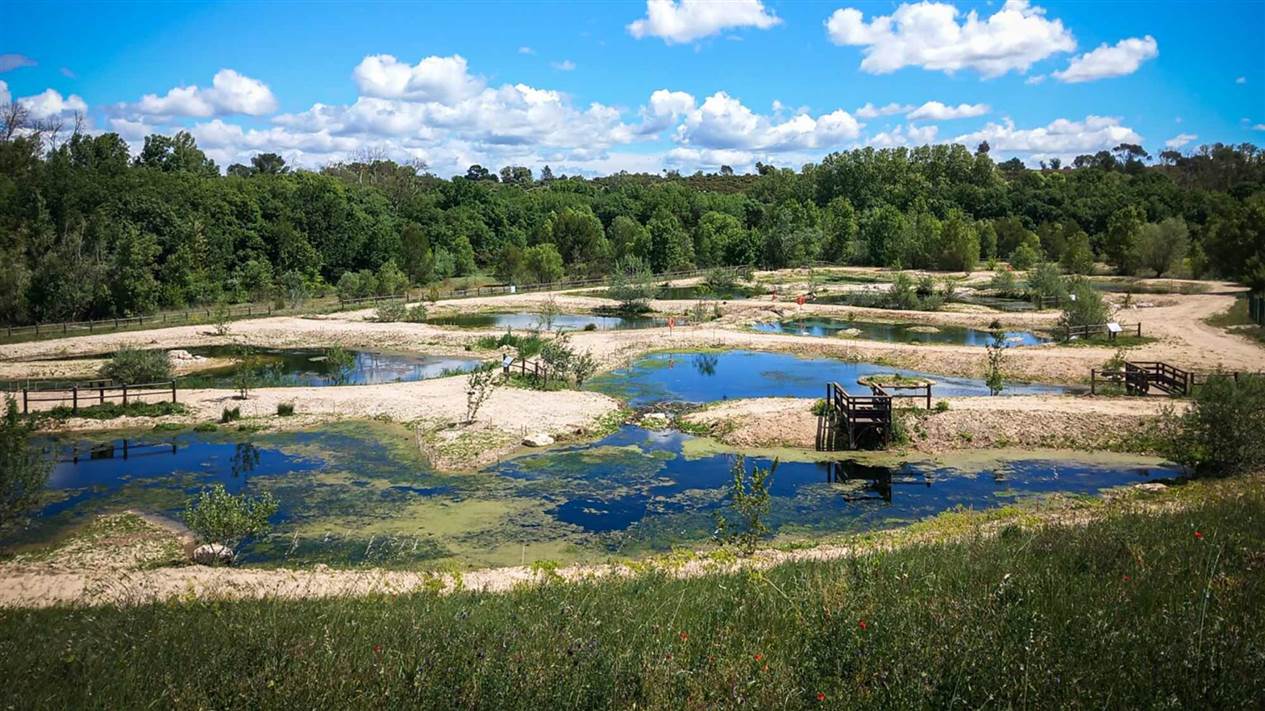
For example, we are developing vegetated discharge areas such as the Zone Libellule® (a phytoremediation-based wastewater treatment solution), which improve water quality before it is returned to the environment, limit impacts on aquatic ecosystems and promote biodiversity, to the benefit of local areas and inhabitants.
Together with academic and healthcare partners, we contribute to leading research programmes to strengthen health surveillance through wastewater analysis, such as OBEPINE+3 and PROMISE4.
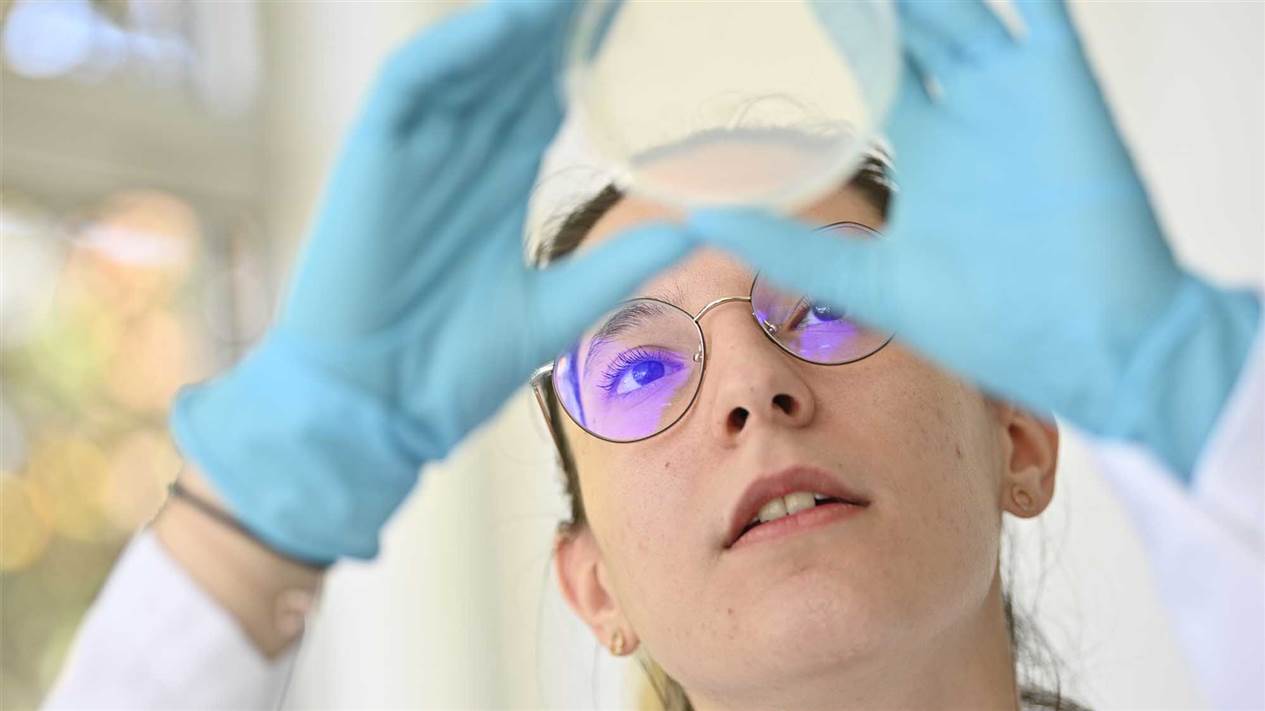
Scientific innovation is another cornerstone of our commitment. Through our international research centre (CIRSEE), we have been developing solutions for over twenty years to detect, characterise and perform treatment, processing of micropollutants present in water and wastewater, including pharmaceutical residues, pesticide metabolites and more recently PFAS. We are also exploring new analytical approaches, such as bioassays5, in order to strengthen knowledge about water quality.
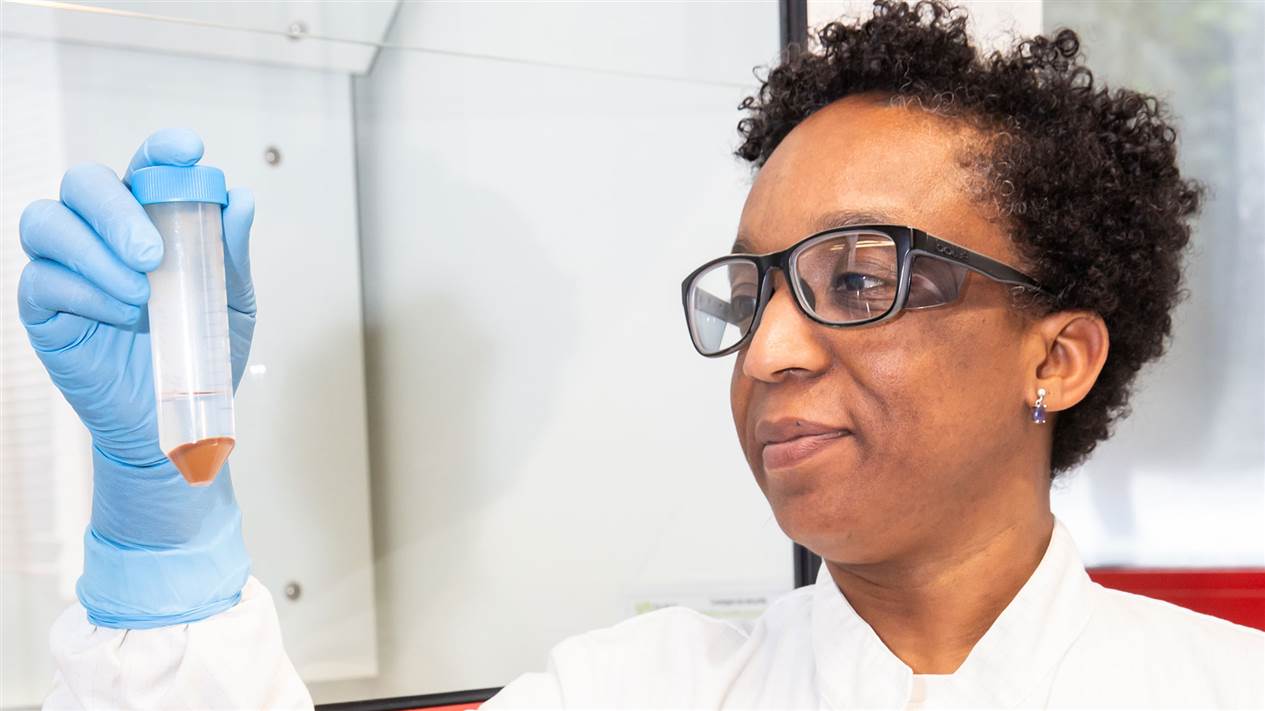
For example, we have deployed a patented technology at the Ternay drinking water production plant to perform PFAS treatment for the Syndicat Mixte d’Eau Potable Rhône Sud.
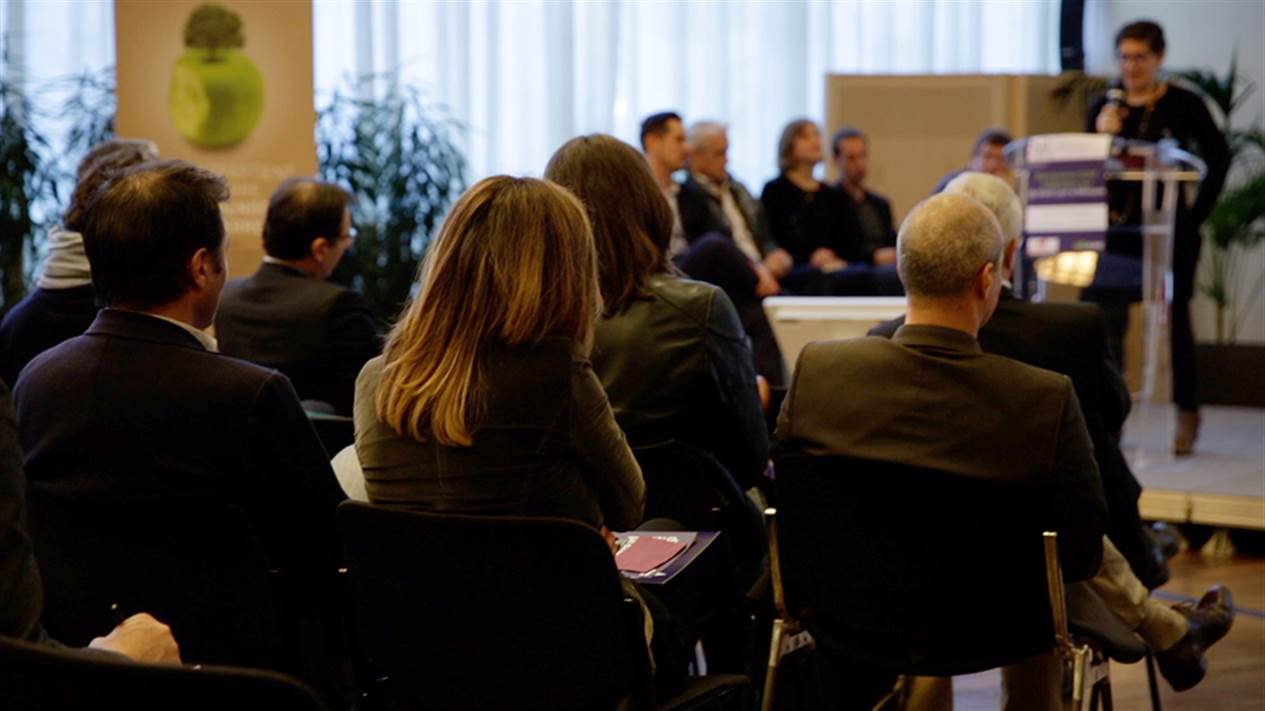
As part of the One Health Festival, on 2 April we organised, in collaboration with the EPE6,a morning of discussions dedicated to the role of businesses in addressing the “One Health” challenge, featuring three round-table sessions bringing together businesses and experts. This morning session also provided an opportunity to present the latest report, "Pollution and Business: Towards Holistic Approaches", from the EPE’s Health and Environment Commission, chaired by Charlotte Migne, Director of Sustainable Development at SUEZ.
As a partner of the One Health Summit, we reaffirm our conviction: taking action on water, wastewater and waste means making a concrete contribution to sustainable health, at the scale of living systems and territories.
1 SDG Indicators
2 Ibid, p23
3 OBEPINE+ is an interdisciplinary research consortium aiming to establish an R&D platform in wastewater epidemiology. Objective: to develop a strategy for the early warning and monitoring of infectious diseases through the analysis of wastewater. Led by Sorbonne University, this consortium brings together leading academic institutions (Sorbonne University, CNRS, INRAE, etc.), health sector stakeholders (ANSES, university hospitals, etc.) and public and private stakeholders in wastewater treatment.
4 Created in 2021 as part of the Priority Research Programme dedicated to antimicrobial resistance, PROMISE brings together a broad network of stakeholders in France committed to a One Health approach. This meta-network fosters exchanges between scientific, health and operational communities that previously had little cooperation, with the aim of pooling expertise, sharing best practices and strengthening the coherence of actions taken against antibiotic resistance.
5 Bioassays enable a comprehensive assessment of water quality and the detection of potential toxicity without analysing each molecule individually. In the future, they could complement current analyses, which are becoming increasingly complex to carry out given the growing number of existing molecules.
6 EPE (Entreprises Pour l'Environnement) is an association founded in 1992 that brings together some sixty major French and international companies committed to the ecological transition. As the French partner of the WBCSD, it works to promote economic development that is compatible with the planet’s limits and socially accepted.