Companies
To remember
  • Global safe service from collection to production of recycled materials
  • Guaranteed traceability
  • Safety

12

million

electric vehicles on the road in Europe

350

kg

average weight of an electric vehicle battery

90 %

Cobalt, copper and nickel recycling targets by 2027 in Europe

Safe storage and transport of end of use lithium-ion batteries

As the adoption of electric and hybrid vehicles continues to rise, the use of lithium-ion batteries is steadily increasing. Consequently, the volume of end-of-life lithium batteries is expected to grow significantly over time. Reuse and recycling are key in the climate transition.

You are manufacturers, research and development facilities, and dismantling yards, the managed volume of damaged or end-of-life electric vehicles is projected to rise substantially over the next five to ten years, with some units potentially already appearing in your operations.

Our service is already up and running. We ensure the safe and compliant collection and disposal of lithium batteries in your possession. Our expert consultants can advise on storage and shipping requirements and arrange secure transportation to our approved recycling facility.

Unlike traditional lead-acid batteries used in combustion vehicles, lithium-ion batteries present a substantial fire hazard, are more complex to recycle, and must be transported and handled with extreme care by certified specialists.

ADR approved packaging

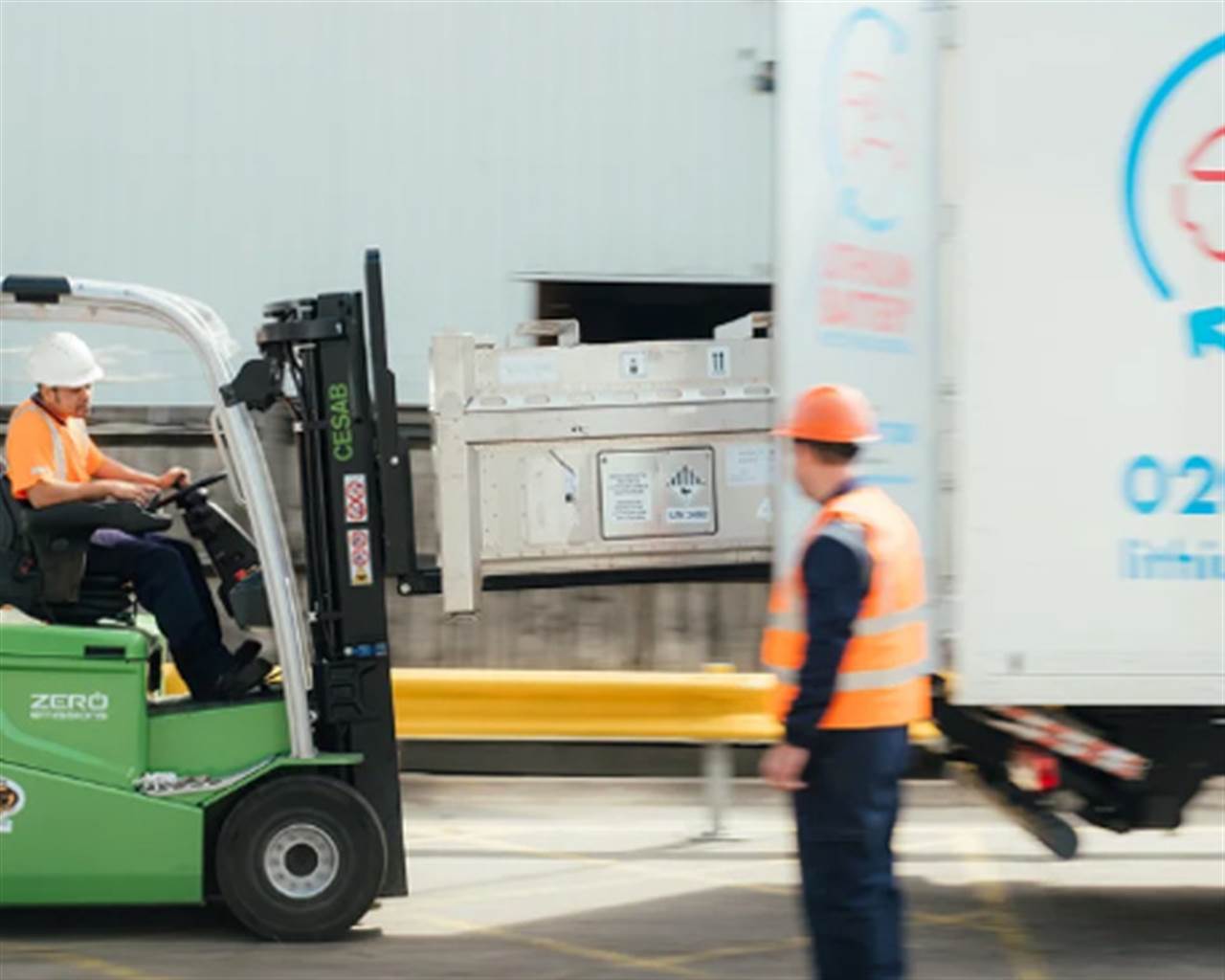
Lithium batteries are classified as dangerous goods for transport (UN 3480 – Lithium-ion batteries) and as such, specialist storage and transportation boxes are required to ensure minimal fire risk. We have a range of specialist-approved storage boxes to always ensure safe packaging. We provide packaging fully compliant with ADR standards P903, P909, and LP903. These boxes are available for both hire and purchase.

ADR transportation

Lithium batteries are a significant fire risk and are classed as dangerous goods when it comes to transportation, even used batteries that are at the end of their life contain charge and need to be handled extremely carefully. We have all the necessary dangerous goods transportation licences and specialist vehicles that are fully equipped to move used batteries between your facility and our approved recycling facility. 
Our team of experts can prepare the batteries for transportation, package them safely, and ensure they get to their end destination with minimal risk.

Reuse and give lithium-ion batteries a second life

Repurposing used lithium batteries and giving them a second life is a smart, sustainable solution. It not only delays waste generation but also ranks higher in the waste hierarchy than recycling, making it a more responsible choice.

When a car’s lithium-ion battery drops to around 70% State of Health (SOH), its driving range declines and replacement becomes inevitable. But that doesn’t mean the battery’s life is over—these units are perfect for second-life applications such as energy storage, where performance demands are far lower. By repurposing them, we extend their value and reduce waste.


Unlike in a car, where batteries must deliver rapid bursts of power for acceleration or uphill climbs, energy storage systems demand a gentler, steady charge and discharge cycle. This makes second-life lithium batteries an ideal fit—extending their usefulness and reducing waste.

Our second-life solutions transform most manufacturer-produced batteries into reliable power systems at fully licensed facilities, ensuring compliance, safety, and sustainability at every step.

Our electric vehicle battery recycling solutions

We deliver safe, fully compliant recycling solutions across the UK. After years of expertise, we now provide a global, turnkey service for managing end-of-life lithium-ion batteries—simplifying the process while ensuring sustainability and regulatory compliance.

At our facilities, we manage every step of the battery recycling process with precision and care:

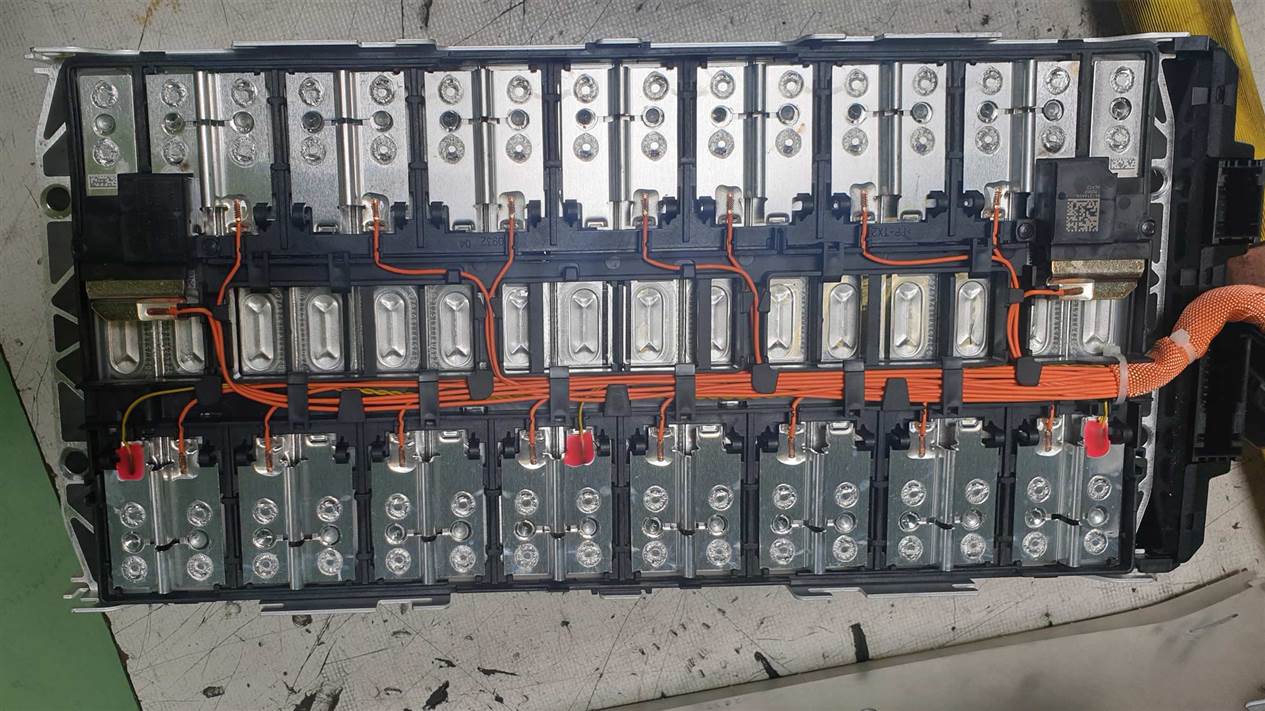
Dismantling with Safety First

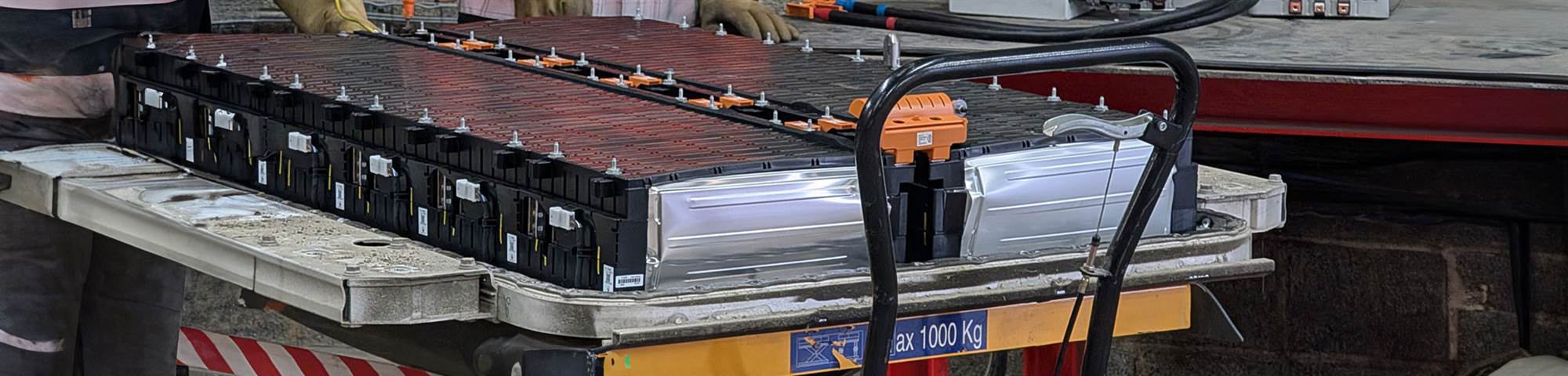
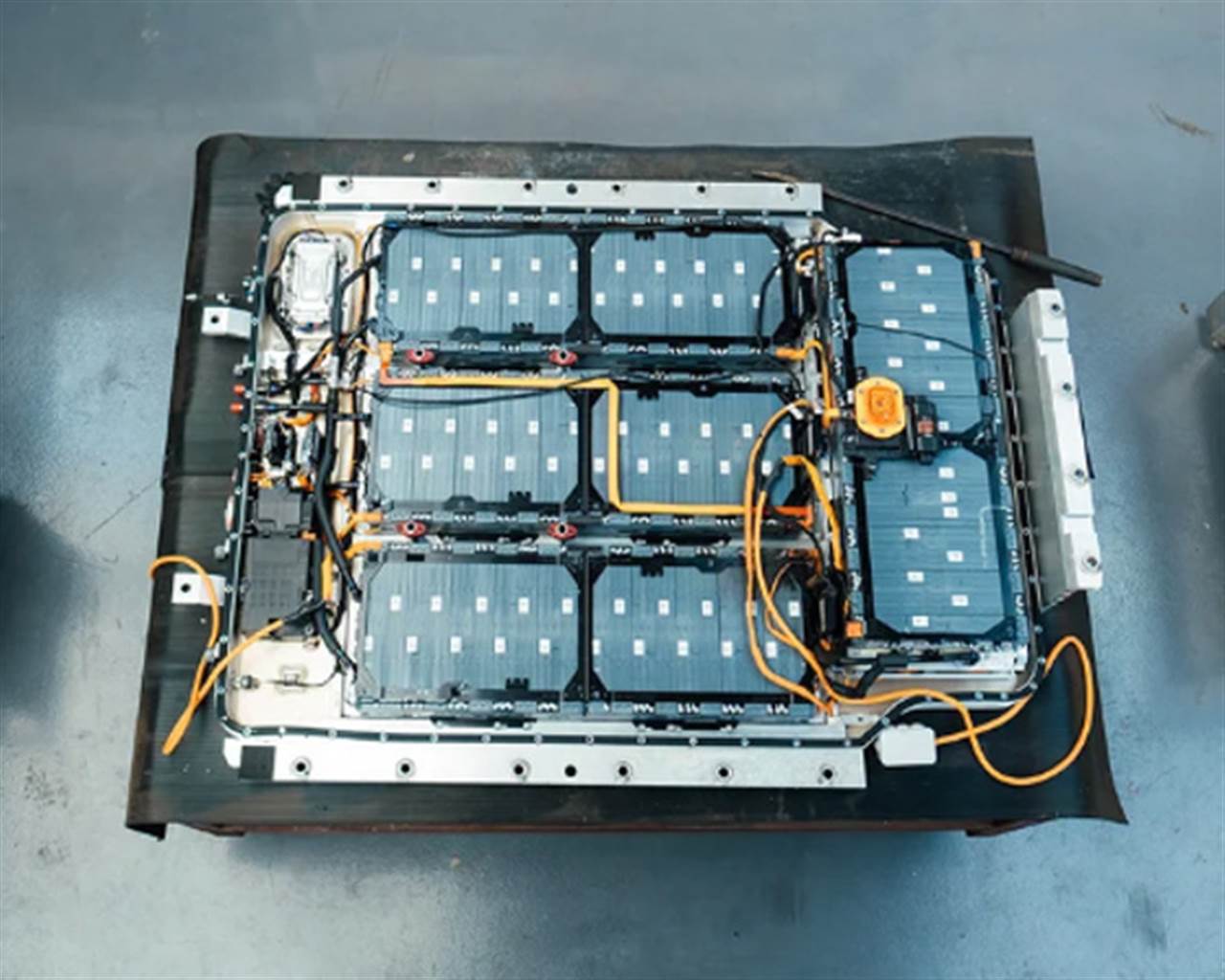
Dismantling lithium batteries is a complex process that requires highly trained specialists. At our certified workshop, approved experts safely extract all recoverable materials for full recycling at licensed production facilities—ensuring compliance and sustainability at every stage.
We prioritize safety at every stage—monitoring battery temperature, detecting leaks or swelling, and ensuring controlled conditions before handling.

Energy Recovery Through Discharge*

Even used batteries store energy. We fully discharge them and repurpose that electricity to power our sites and processes—turning waste into value.

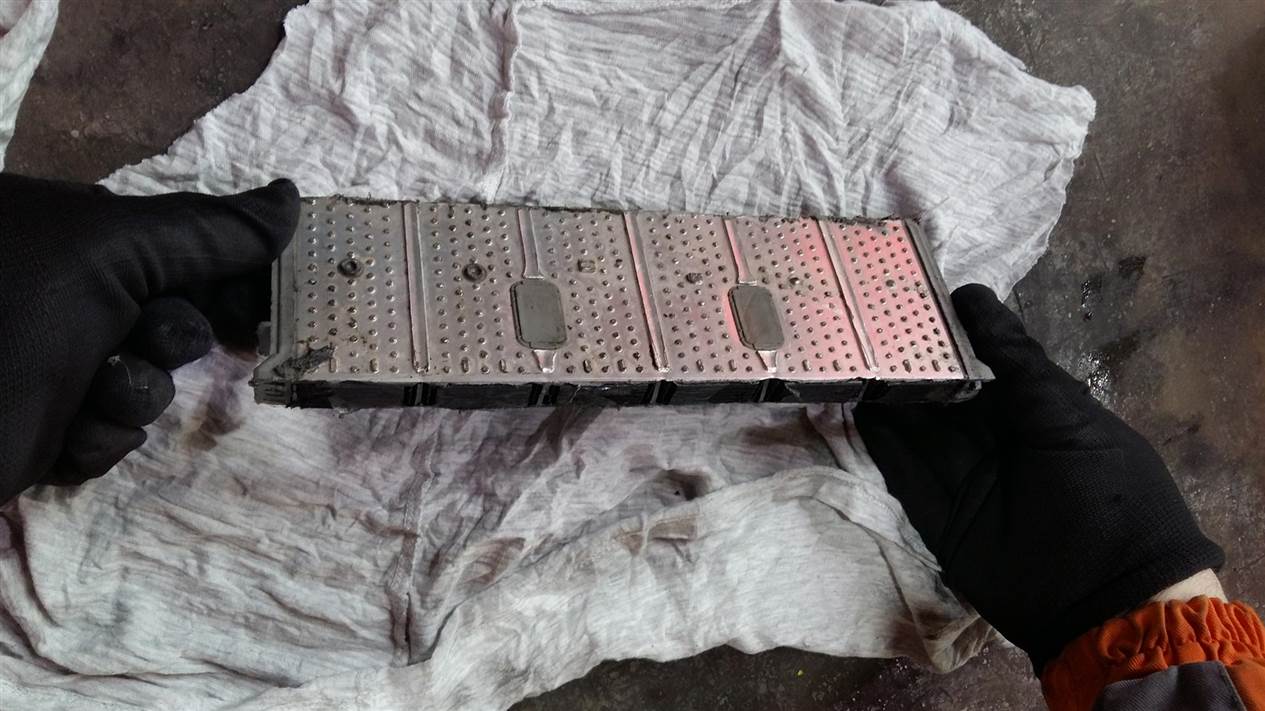
Expert Dismantling

Every component is carefully separated: plastics, connectors, cables, and modules are disassembled for responsible recycling and reuse.

Recovering Valuable Resources, Reducing Environmental Impact

Lithium batteries contain critical raw materials such as lithium, cobalt, copper, manganese and nickel —finite resources essential for battery production. By adopting a sustainable approach, these valuable elements can be recovered and reintroduced into the manufacturing cycle, reducing the need for new extraction and minimizing environmental impact.

Advanced Grinding and Separation

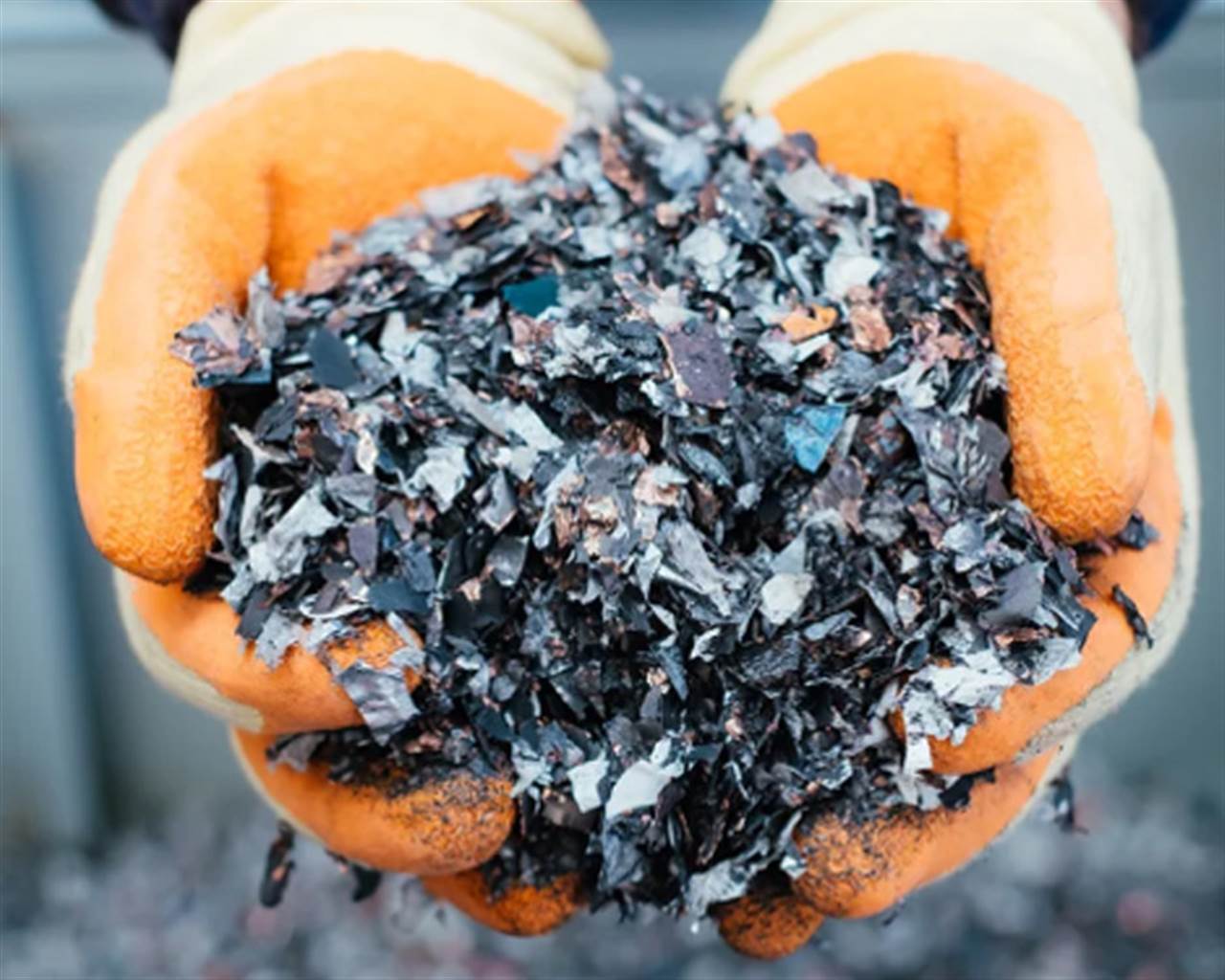
To reclaim critical metals, battery modules are ground under strict safety conditions. This process mechanically separates the “black mass” containing lithium, cobalt, copper, manganese and nickel, along with solvents and other components. Our facilities operate with solvent recovery systems, fire detection, and controlled shredding under suction to eliminate risk and guarantee the highest standards of safety.

Innovative Black Mass Treatment for a Circular Economy

Black mass—the fine black powder left after battery dismantling—holds immense value. Rich in graphite and critical metals, it represents the key to sustainable resource recovery.

Black mass recycling is the key to powering the future sustainably. By recovering critical metals from used batteries, we reduce waste, cut emissions, and create a truly circular economy—turning yesterday’s batteries into tomorrow’s energy.


Several technologies are mature: 

  • Hydrometallurgy: The most widely used method. Black mass is dissolved in chemical solutions, and metals are recovered through filtration, precipitation, electrolysis, or crystallization.
  • Pyrometallurgy: Uses high heat to burn off unwanted materials but is less efficient and more polluting.
  • And some are emerging: Electro-extraction and membrane-based separation are improving recovery rates and reducing environmental impact.


Recovered metals are refined into battery-grade compounds (pCAM and CAM) and reintroduced into new battery production—closing the loop and reducing reliance on mining.


Why it’s Important

  • Environmental Benefits: Recycling black mass cuts carbon emissions, reduces mining, and conserves water and biodiversity.
  • Economic Value: Metals in black mass are scarce and expensive; recycling lowers costs and secures supply chains.
  • Regulatory Push: EU and global regulations increasingly require high recycling rates and limit exports of black mass to non-OECD countries. 


Our advanced hydrometallurgical process extracts these metals efficiently using specialized solvents, followed by purification and recovery through filtration, precipitation, electrolysis, or crystallization. This ensures maximum material reuse and minimal environmental impact.


And we’re going further: ongoing research is developing closed-loop solutions that allow direct reuse of metal mixtures, shortening the recycling chain and accelerating the transition to a truly circular battery economy.


End-to-end traceability

Traceability of the end-of-life of electric vehicle batteries is a key point to monitor all the processing steps, battery by battery, module by module.

To ensure the traceability of the end-of-life of batteries and rare and critical metals, we use our customer portal. This digital traceability solution from the SUEZ group is already deployed in complex and sensitive supply chains, guaranteeing robustness, compliance and security. 

Foire aux questions

Nos autres solutions pour recycler les matières

Local authorities
Business

Plastic waste

Whether you are a local authority, manufacturer, retailer, service provider or waste management professional, we have the solutions for recycling your plastic waste.
Local authorities
Business

Metal recycling

Discover our metal recycling service. A complete solution from sorting to recovery of raw materials for manufacturers, businesses and communities.