
Local authorities
Limit and prevent floods
Discover our solutions for anticipating and preventing floods. Take action now to protect your territory.
Discover the offer
Marine pollution is caused by the discharge of various products into seas and oceans as a result of human activities. It reaches the marine environment via rivers and waterways, but also through winds, low-latitude air currents, or direct discharge into the sea.
Among the main human-generated pollutants and micropollutants discharged into the ocean are pesticides, herbicides, fertilisers, detergents, oil, industrial chemicals… and wastewater (domestic and industrial).
We are already working on the wastewater treatment plants of tomorrow by developing advanced treatment processes to return increasingly clean wastewater to natural environments. Thanks to our SIRENE® stations, we can continuously monitor the physico chemical quality of aquatic and marine environments.
As specialists in water treatment, we offer complementary processes to eliminate micropollutants, including microplastics.
We are focusing on deploying nature based solutions—such as our Zones Libellule®—which improve the purification efficiency of treatment plants through phytoremediation.
Furthermore, we ensure intelligent management of wastewater and stormwater networks through technologies such as Aquadvanced urbandDrainage, enabling risk anticipation to avoid network saturation, flooding, and overflows into natural environments.
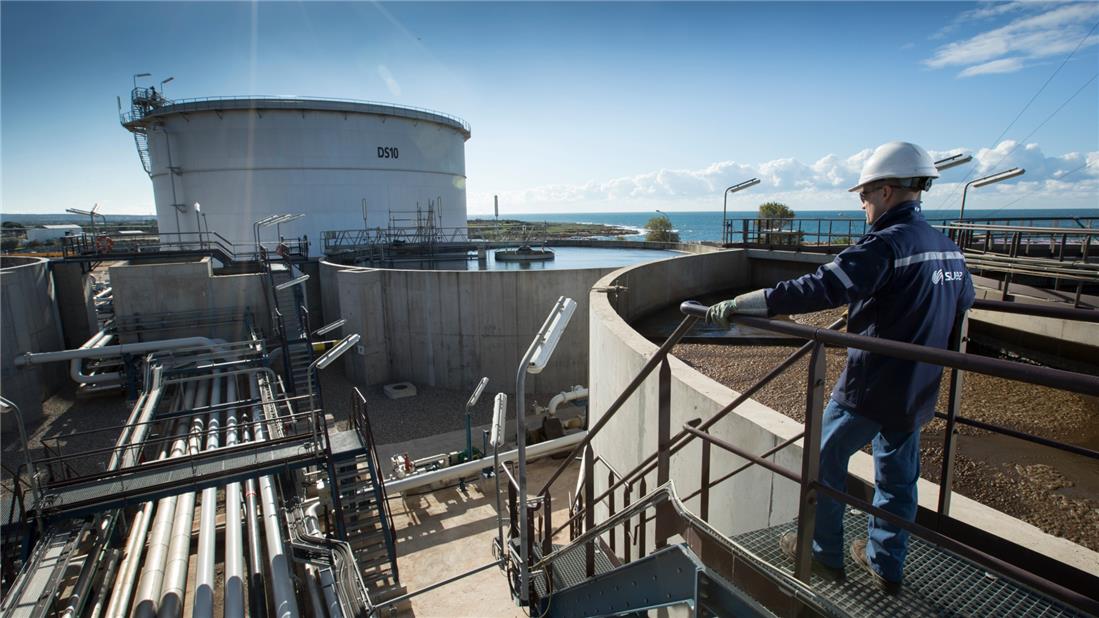
Wherever we operate, we help strengthen wastewater treatment systems and implement efficient waste collection and treatment solutions to prevent pollution on land and at sea. We treat more than 136,000 tons of plastic each year. In 2024, we treated 3 billion m3 of wastewater. For example, in Senegal, we are building a wastewater treatment plant for Hann Bay as part of the government’s depollution program. In Shanghai, we have built and operate plastic collection and sorting centers with our partner to contribute to waste recovery in the region.
We implement efficient waste collection and treatment systems to prevent pollution, especially plastic pollution. We act to reduce the production of virgin plastic at the source by developing plastic recycling solutions. We produce 78,500 tons of new plastic resources per year. At CIRSEE, our main research center, we operate a laboratory dedicated to plastic recycling (Plast Lab).
Decarbonising maritime transport
We are developing biofuels made from waste to help decarbonise maritime transport. Our oceanography subsidiary, Actimar, produces marine current forecasts that enable carriers to optimise routes and thus reduce fuel consumption.
Anticipating and managing coastal risks through digital solutions
With the rise of extreme events such as storms leading to heavy rain, digital tools allow us to anticipate and manage risks:
Beyond risk prediction, a deep understanding of marine environments is key to strengthening the long‑term resilience of coastal areas. We therefore develop aquatic acoustic biomonitoring systems to assess marine health. A solution is currently being developed in France for freshwater environments.
Ensuring the most sustainable desalination possible
For many countries, the sea is the primary source of drinking water production. We work toward sustainable seawater desalination. To reduce the environmental footprint of this technology, we deploy innovative solutions:
Designing and developing sustainable coastal and port areas
Every day, we innovate to sustainably enhance maritime territories and port areas by designing efficient, optimised, low‑impact infrastructures that integrate circular economy and low‑carbon construction principles.
We support clients through every stage of their projects — from strategic studies to infrastructure design and supervision—to secure decision‑making, control risks, and optimise environmental performance. With integrated expertise, we help local authorities and economic players anticipate regulatory and environmental challenges, design sustainable infrastructure, and manage well‑controlled construction projects.
Our teams also operate in marine and coastal environments to provide studies and operational services tailored to local contexts, particularly regarding marine submersion, port accessibility, and maritime transport. This work is reinforced by Actimar’s oceanographic expertise, which provides advanced metocean analyses and contributes to minimising environmental impacts.
Anticipating and managing coastal risks through digital solutions
With the rise of extreme events such as storms leading to heavy rain, digital tools allow us to anticipate and manage risks:
Beyond risk prediction, a deep understanding of marine environments is key to strengthening the long‑term resilience of coastal areas. We therefore develop aquatic acoustic biomonitoring systems to assess marine health. A solution is currently being developed in France for freshwater environments.
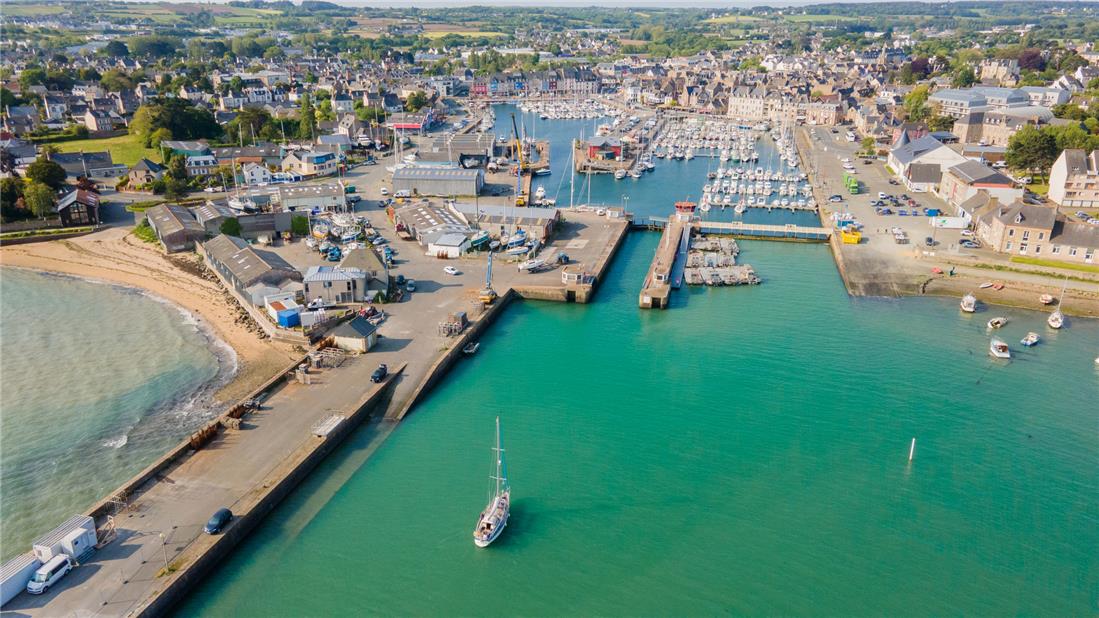
Through our ecological engineering expertise, we develop nature‑based, tailored solutions adapted to local contexts to reduce the vulnerability of coastal cities to climate change.
We protect and restore biodiversity by integrating eco‑design principles and upstream consideration of biodiversity issues to reduce the environmental footprint of projects.
For example, our Cystore process enhances the ecological value of infrastructures by seeding Cystoseira algae within artificial rocky pools.
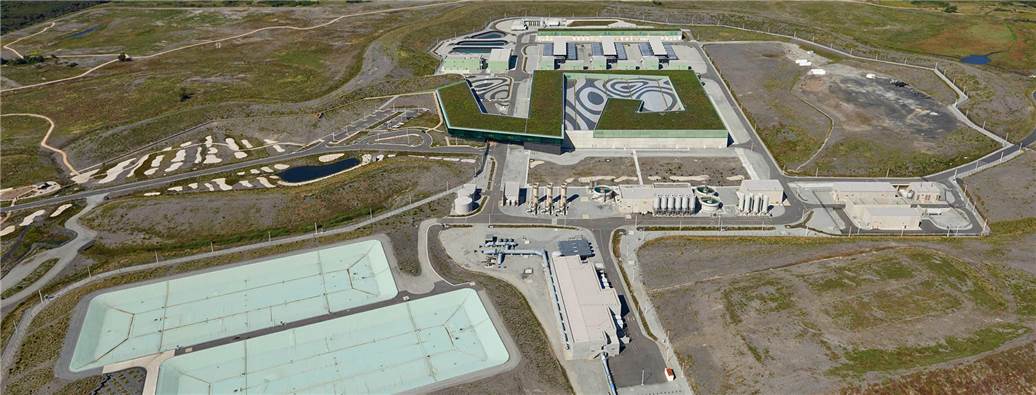
We are in charge of the project to modernise Haliotis, a wastewater treatment and recovery complex in the Nice Côte d'Azur Metropolis.
Called Haliotis 2, the new wastewater treatment plant is the largest project of its kind in France and one of the most ambitious in Europe (gradual commissioning from 2025 to 2030). Designed to meet climate challenges, it will implement state-of-the-art wastewater treatment, with a 90% elimination of microplastics. A real resource plant, it will recover sewage sludge to produce 43 GWh of biomethane per year and will reuse 5 million m³ of treated wastewater for watering and urban cleaning. Its integrated architecture will promote biodiversity, reduce nuisance and make Haliotis 2 a model of ecological transition that protects the Mediterranean.

We are supporting the Communauté d'Agglomération du Centre de la Martinique (CACEM) in an innovative project to extend the mangrove, near the marina of Étang Z'Abricots. This will act as a natural bulwark against rising sea levels and storms.
To do this, a three-step approach has been developed by our teams:
This initiative, part of the European integrated Life project ARTISAN, demonstrates the effectiveness of nature-based solutions to strengthen the resilience of coastal communities, while promoting biodiversity.
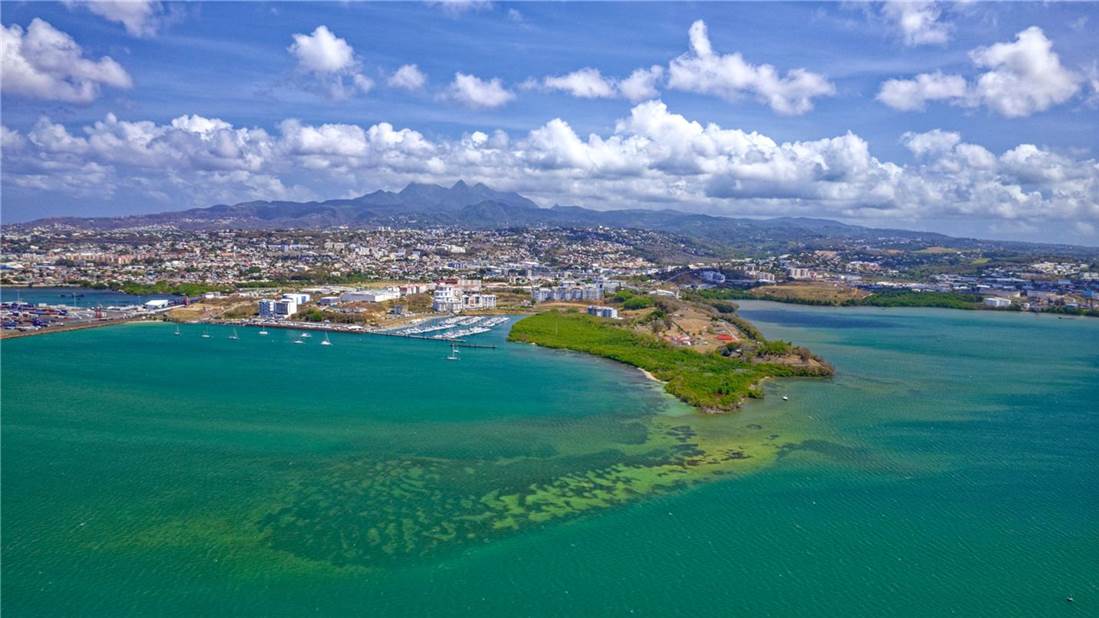
Oceans and seas cover 70% of the earth's surface and contain 97% of the planet's water. They connect people, provide essential resources such as food and oxygen, play a key role in regulating the climate by absorbing about a quarter of the CO₂ emitted and are home to a rich and varied biodiversity. Due to pollution and climatic disturbances, caused by human activities, the balance of the oceans is seriously compromised.

Discover our solutions to preserve natural environments and ensure sustainable water management.
