Groundwater Resources Management
Discover smart solutions for sustainable groundwater management. Explore how to optimize resources and ensure safe access to water!

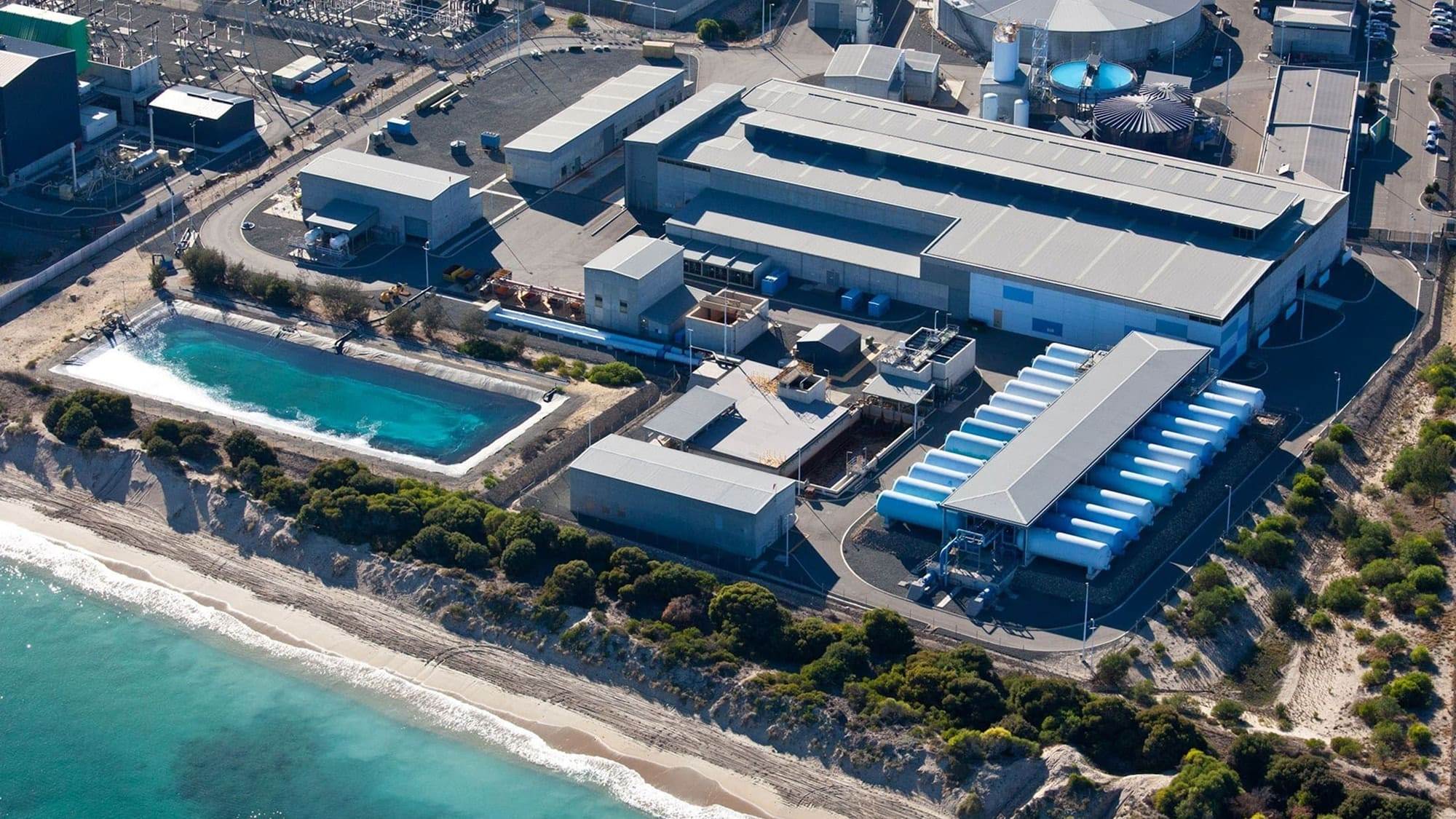
We work with you to ensure seawater becomes a reliable, sustainable water resource. By integrating our specialized technologies, we provide a complete solution that optimizes every stage of desalination, from pretreatment and clarification to reverse osmosis.
Sea Clean strengthens the foundation of your desalination process by delivering high-performance pretreatment. This advanced filtration and adsorption system removes suspended solids, organic matter, and biofouling agents before they reach your reverse osmosis membranes. By capturing contaminants early, Sea Clean protects membranes from premature degradation, improves operational stability, and helps you reduce chemical usage and energy consumption, making your water production more sustainable from the start.
Complementing this, Densadeg provides advanced high-rate clarification that handles variable seawater quality with ease. It rapidly settles solids, algae, and other impurities, ensuring that downstream processes operate smoothly. Its compact footprint and high efficiency make it ideal for coastal plants facing fluctuating turbidity, helping you maintain consistent water quality even under challenging environmental conditions.
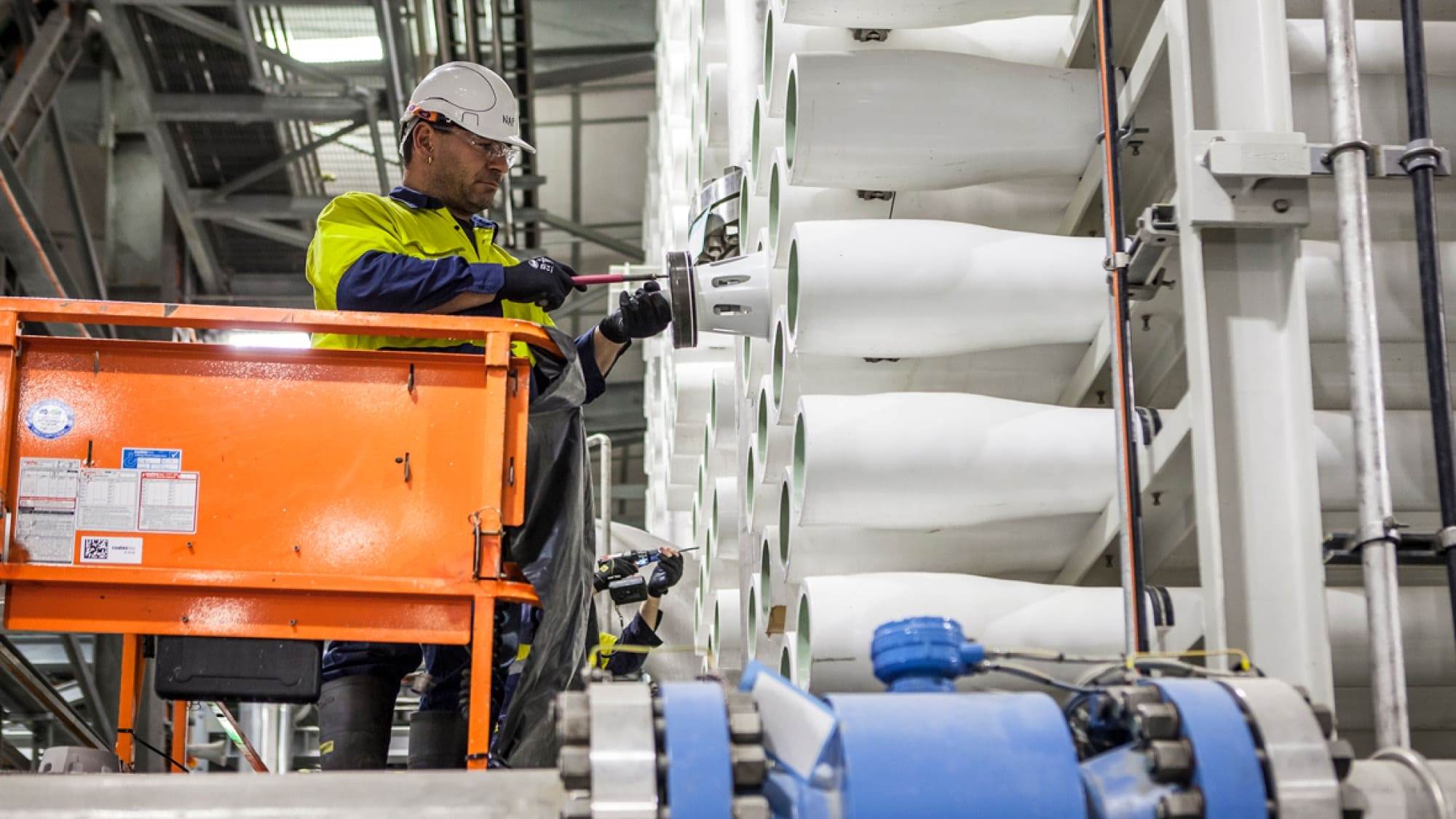
Once pretreatment and clarification are optimized, Sea Pro ensures the efficient transformation of seawater into potable and industrial water. Using energy-optimized reverse osmosis technology, Sea Pro protects membranes from scaling and fouling while maximizing water recovery and reducing operational costs. Designed to adapt to high salinity and temperature variations, Sea Pro ensures reliable, long-term performance, giving you confidence in your water supply even as demand grows.
Together, these technologies provide a seamless, integrated approach to seawater desalination. Sea Clean removes contaminants at the earliest stage, Densadeg clarifies and stabilizes water quality, and Sea Pro delivers final purification, each step building on the last to maximize efficiency and membrane life. By combining the strengths of Sea Clean, Densadeg, and Sea Pro, we help you unlock alternative water resources, meet stringent regulatory standards, and build climate-resilient water strategies.
Whether you are a utility, industrial operator, or community water provider, our solutions support your goals of operational efficiency, environmental stewardship, and sustainable water production.
We work with you to make seawater a safe, reliable, and low-impact source for your long-term water needs. Together, we combine our expertise and technology to support your goals for sustainable, resilient water supply.
Our modular systems are designed for a wide range of uses, including:
These units can be deployed for small, medium, or large‑scale
We integrate proven, high‑performance technologies to maximize the availability and reliability of freshwater production, regardless of source water quality.
Our operational expertise ensures long‑term performance and cost control.
We deliver innovative, high‑performance technologies and financial models to help reduce both capital and operating costs:
Aligned with our sustainability roadmap, we are committed to advancing circular and environmentally responsible desalination solutions.
These solutions help address the environmental and energy challenges facing North American communities and support the transition toward a circular water economy.
In modern reverse osmosis (RO) desalination plants, water passes through multiple treatment stages to ensure it is purified and safe for drinking. Seawater pre‑treatment is one of the most essential steps, directly improving RO performance and long‑term reliability. Our pre‑treatment technologies help you:
When seawater quality is stable, high‑rate filtration upstream of the RO membranes prevents fouling and maintains optimal performance. Our SeaClean pressure filter technology delivers high‑quality inlet water while supporting chemical‑free membrane operation.
Dissolved air flotation for challenging seawater conditions. When seawater quality is more difficult—such as during algal blooms—an additional flotation step is required. Our dissolved air flotation (DAF) systems protect RO production from harmful events and improve downstream treatment performance year‑round.
Innovative brine recovery technologies now make it possible to design more sustainable desalination plants by reducing environmental discharge and creating new resource streams. This approach delivers significant economic and societal benefits. We are developing a complete brine recovery platform that enables you to:


Victorian Desalination Project brochure

The desalination plant, with the first phase having a capacity of 100,000 m3 per day (26.4 million gallons per day), will supply the industrial complex with process water. When at full capacity, it will provide 300,000 m3 (79.2 million gallons per day). Our technical expertise has made it possible to provide a unique solution to support Wanhua Chemical Group and its partners towards an ecological transition by preserving local freshwater resources and protecting the environment.
Yes, desalinated water is safe for human consumption when properly treated. Modern desalination plants use reverse osmosis, distillation, or
hybrid desalination processes to remove salt, minerals, and contaminants from seawater or brackish groundwater, producing fresh water that meets drinking water standards. After the desalination process, minerals are often added back to stabilize the desalinated water and improve taste, making it suitable for drinking water, irrigation, and municipal water supply. Many communities rely on desalinated water as part of their long‑term water supply desalination strategy, especially in regions where surface water and traditional water sources are limited. With proper monitoring and quality control, desalinated water is a reliable and safe option for human consumption and supports resilient water supply systems in coastal and drought‑prone regions.