Public sector
Aquadvanced urban drainage
Optimise your wastewater and rainwater network with Aquadvanced® Urban drainage. Reduce overflow and prevent flooding.
Discover the offer

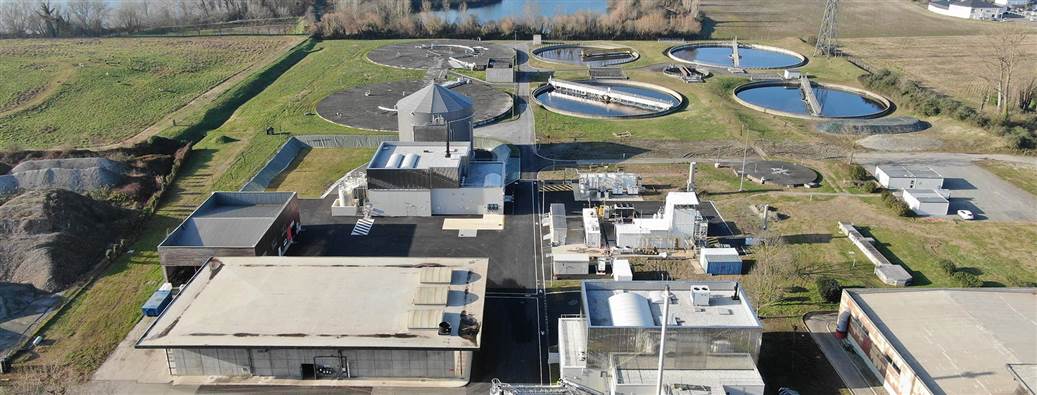
We design and build wastewater treatment solutions that enable you to comply with your regulatory obligations for environmental protection.
Biological treatment is at the heart of a treatment plant and constitutes a major lever to optimize both quality and capacity:
We tailor treatments to the sensitivity of the receiving environment:
Whether your installations are new or existing, we design and build treatment chains adapted to micropollutant removal. Benefit from advanced or integrated treatments: oxidation, adsorption, or combined with biological processes to reduce micropollutants.
We have recognised analytical capabilities for PFAS and continue developing technology identification across different matrices.
We support you in designing and constructing custom treatment infrastructures adapted to your environmental, energy, and demographic challenges, as well as local constraints.
By recovering and reusing resources from your plant, we increase territorial resilience against environmental challenges. Your plant becomes a Biofactory, a hub for generating green energy and bioresources.
Sludge from wastewater treatment is a renewable, inexhaustible, non-fossil energy source. The energy contained in biogas from sludge methanation contributes significantly to the energy self-sufficiency of the treatment plant. Our plants are designed to:
We propose solutions matching the potential outlets for sludge in your territory (mono or multi-valorisation):
We are committed to developing cutting-edge technologies to deliver high-performance wastewater treatment plants that meet your territory’s environmental challenges.
We propose comprehensive water treatment solutions that leverage optimized technologies at each stage:
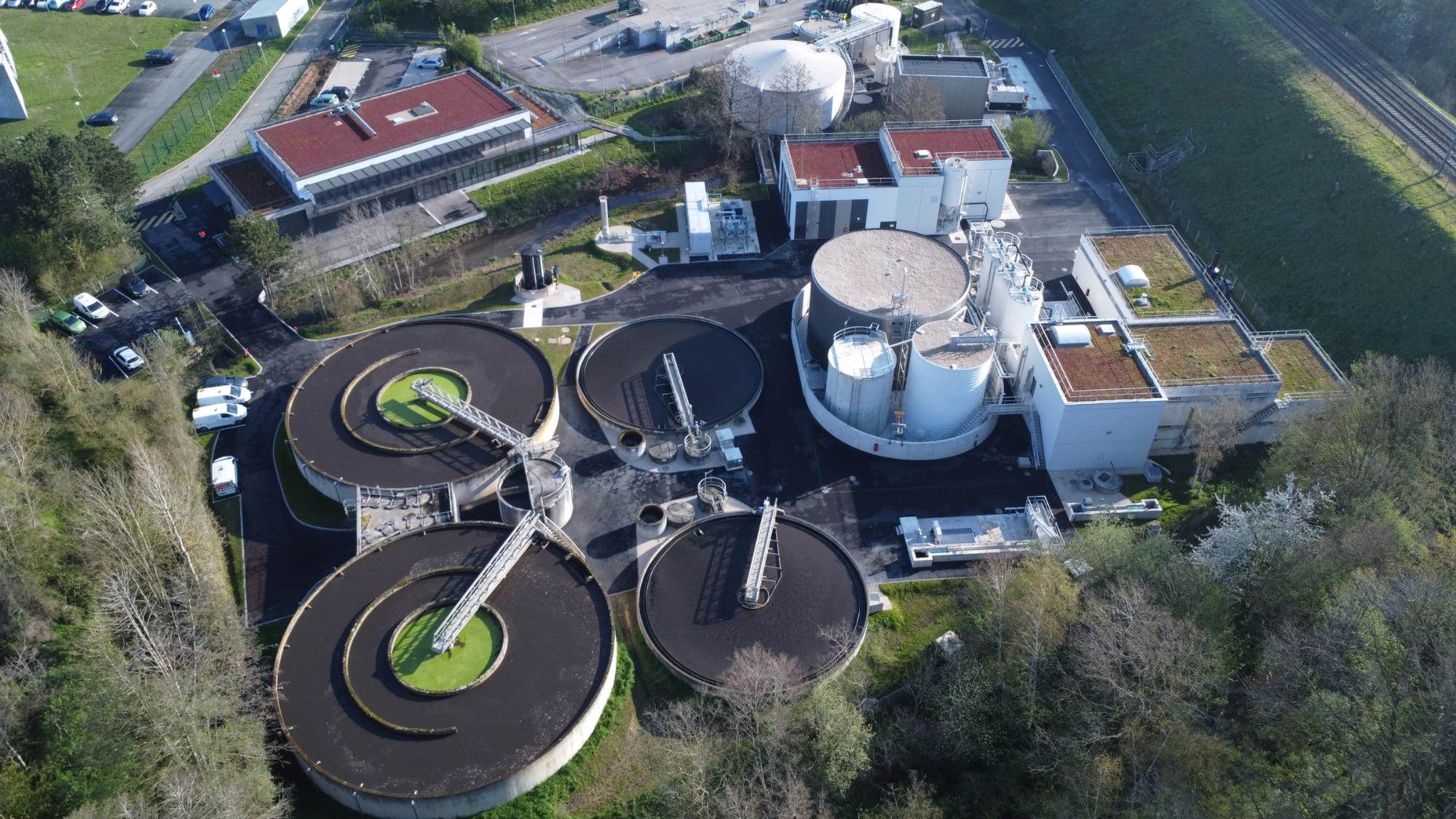
There are two main families of wastewater treatment plants:
- Domestic wastewater treatment plants: these plants are designed to treat wastewater from houses, flats and other residences
- Industrial wastewater treatment plants: These plants are designed to treat wastewater from industrial processes, which may contain specific pollutants such as heavy metals or toxic products.
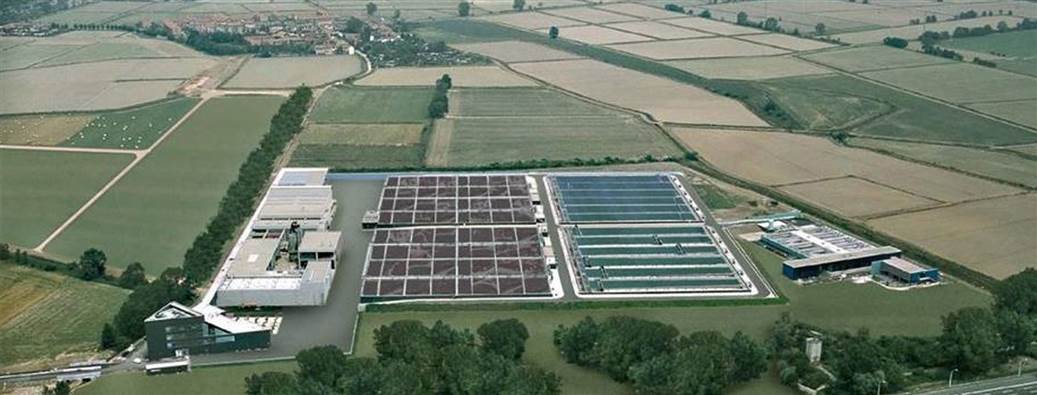
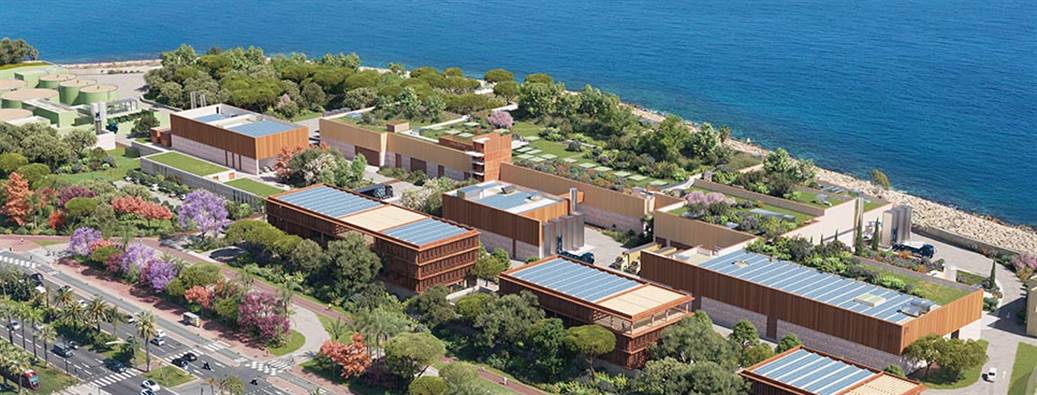
New trends in domestic wastewater treatment aim to improve efficiency, sustainability, and environmental impact. This includes producing green energy, reusing treated water, recovering nutrients, using advanced technologies, automating and controlling operations in real time, and harmoniously integrating facilities into their environment. These innovations make wastewater treatment plants more self-sufficient and environmentally friendly, and more beneficial to the communities they serve. One example is our Water Resources Recovery Station (STARRE), the Biofactory.se innovations aim to make wastewater treatment plants more self-sufficient, more environmentally friendly and more beneficial to the communities they serve, this is our Water Resources Recovery Station (STARRE), the Biofactory.
Water that has been treated at wastewater treatment plants is usually returned to the environment, typically to rivers, lakes or the sea. However, thanks to advanced treatment processes, the water can also be reused for agricultural irrigation, industrial processes, recharging groundwater or for non-potable urban uses.
In some cases, the water can even be reused as drinking water after further treatment.