Electricity, heat or steam production
Tailor-made renewable energy solutions from waste
We support you throughout your project: characterisation of residual waste in terms of composition, but also evolution, study and engineering, choice of energy source and sizing of the sector, construction of units, operation and optimisation of your installation over time, CO2 capture and management.
This production of renewable energy places you at the heart of the energy transition, allowing you to:
- To self-supply a treatment plant with energy
- Reduce the energy bill of your facilities (hospitals, administrative buildings, etc.).
- To supply heat to your urban networks.
- Increase the share of renewable energies in your territory's energy consumption, whether it is public or private heating networks.
- Decarbonise your energy or your territory by substituting a fossil energy source (gas, oil, coal, etc.) with a renewable energy source.
3 main families of renewable energy solutions:
- Energy recovery with 3 possibilities:
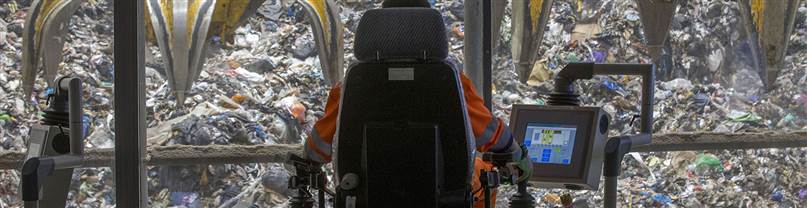
- The heat generated by the combustion of non-hazardous waste heats a water circuit that powers turbines and produces electricity and/or heat.
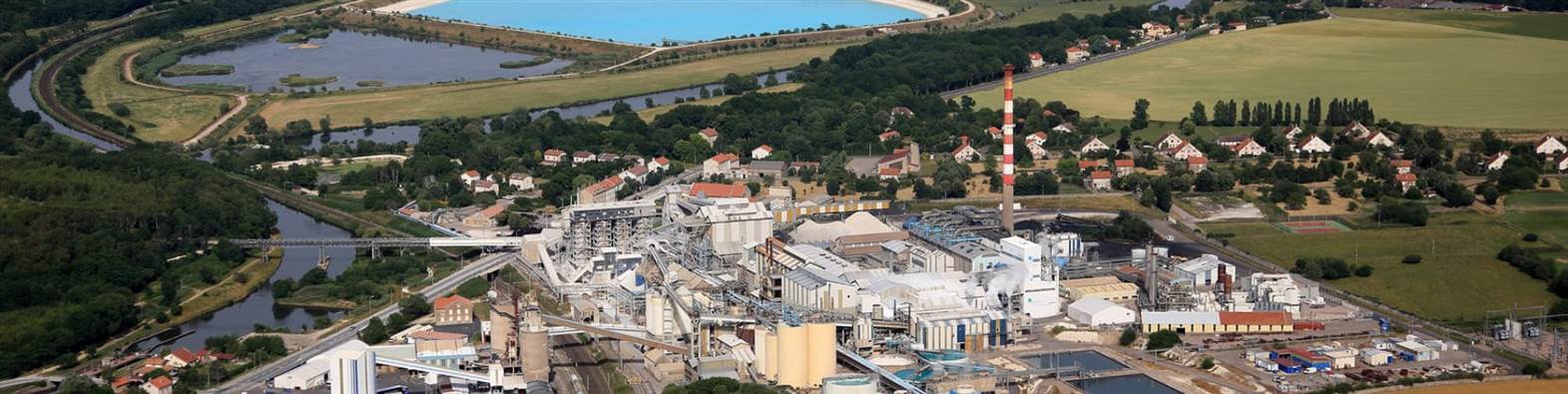
- The treatment and incineration of hazardous waste in specialised furnaces located at the heart of chemical platforms provides energy in the form of steam to manufacturers.
- Upgrading of alternative fuels: waste is prepared into alternative fuels, liquid or solid (CLS and CSS), with a high calorific value. They become a source of renewable energy to power industrial tools such as cement plants or boilers dedicated to an industrialist.
- Biogas production
The fermentation of some buried waste generates a gas called biogas. This contributes optimally to the energy mix of the territories.
We offer biogas recovery methods adapted to local contexts: proximity to natural gas transmission or distribution networks, local energy needs (residential, collective, tertiary, industrial), presence of natural gas refuelling stations for vehicles, etc.
- Methane production
We also have a methanisation offer mixing organic waste from users, companies and agriculture. Methane gas has a calorific value that is more than 25 times higher than that of CO2.Captured and recovered, methane is injected into urban and industrial networks as a substitute for natural gas.
Technology and innovation
WasteAdvanced is a management tool used in Energy from Waste plants, where waste becomes a source of energy.
A real decision-making aid for operation and operations managers, the WasteAdvanced solution complements the systems already in place. Thanks to the overview it offers and predictive analytics, the intelligent platform makes it possible to anticipate anomalies, reduce hazards and increase the performance of the infrastructure.
Commitment to sustainability
Sustainability is at the heart of our mission. Raising awareness and consulting on waste management, reduce waste and improve recycling.
By transforming waste into new resources, we contribute to a low-carbon circular economy.
Frequently asked questions
Renewable energies are powered by the sun, the wind, the heat of the earth, waterfalls, tides... They allow the production of electricity, heat, cold, gas, fuel and fuel.
There are 5 main families of renewable energies:
- Onshore or offshore wind energy uses the power of the wind and enables the production of electricity.
- Solar energy (photovoltaic, thermal and thermodynamic) uses the power of the sun and makes it possible to produce electricity and/or heat.
- Biomass is mainly sourced from the plant world and is used to generate heating (wood energy), heat and electricity (waste).
- Hydropower uses the power of water and enables the production of electricity.
- Geothermal energy uses the temperature of the subsoil and produces heat.