- Turn sludge into energy
- Optimize plant efficiency
- Use data for smarter decisions
Turn wastewater into renewable energy with smart, connected solutions
We help you transform wastewater from an energy consumer into an energy resource. By connecting anaerobic digestion, operational data and real-time optimization, we support you in maximizing biogas production, improving energy efficiency and strengthening the sustainability of your facilities.
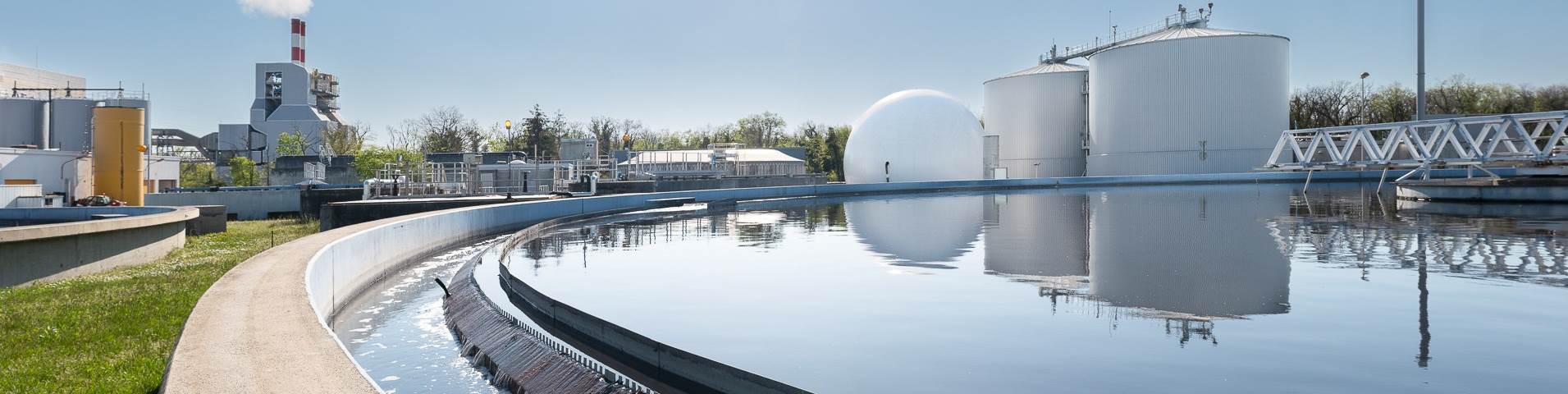
Recovering energy from wastewater starts with making the most of organic matter. With Digelis®, we help you convert sludge and biosolids into renewable energy through advanced anaerobic digestion. Operating in mesophilic or thermophilic conditions, Digelis® maximizes biogas production while reducing sludge volumes and disposal costs. You can use biogas for cogeneration or upgrade it to biomethane, reducing reliance on fossil fuels and supporting carbon reduction goals.
Energy recovery works best when it is closely connected to plant operations. That’s why we integrate Digelis® with Aquadvanced® plant, which helps you monitor and optimize energy-intensive processes such as digestion, aeration, pumping and cogeneration in real time. Using predictive analytics and smart alerts, you can detect overconsumption, adjust operating parameters, and improve overall energy efficiency, without compromising treatment performance or compliance.
To give you a clear, system-wide view, eRIS data hub brings all your operational and energy data together in one place. We help you connect SCADA systems, sensors and enterprise data to track energy production, consumption and performance indicators across your facilities. With intuitive dashboards and automated reporting, you can identify inefficiencies, measure energy savings and support both daily operations and long-term planning.
Together, Digelis®, Aquadvanced® plant and eRIS data hub form an integrated approach to energy from wastewater. Digestion turns waste into biogas; real-time optimization reduces unnecessary energy use, and centralized data helps you make informed decisions at every level, from the control room to management.
As your partner, we help you move toward energy-neutral and energy-positive wastewater treatment. By turning sludge and data into valuable resources, we enable you to reduce operating costs, meet sustainability targets, and build more resilient, future-ready wastewater systems.
The trust us
The "Biofactory" of Pau-Lescar: a resource factory
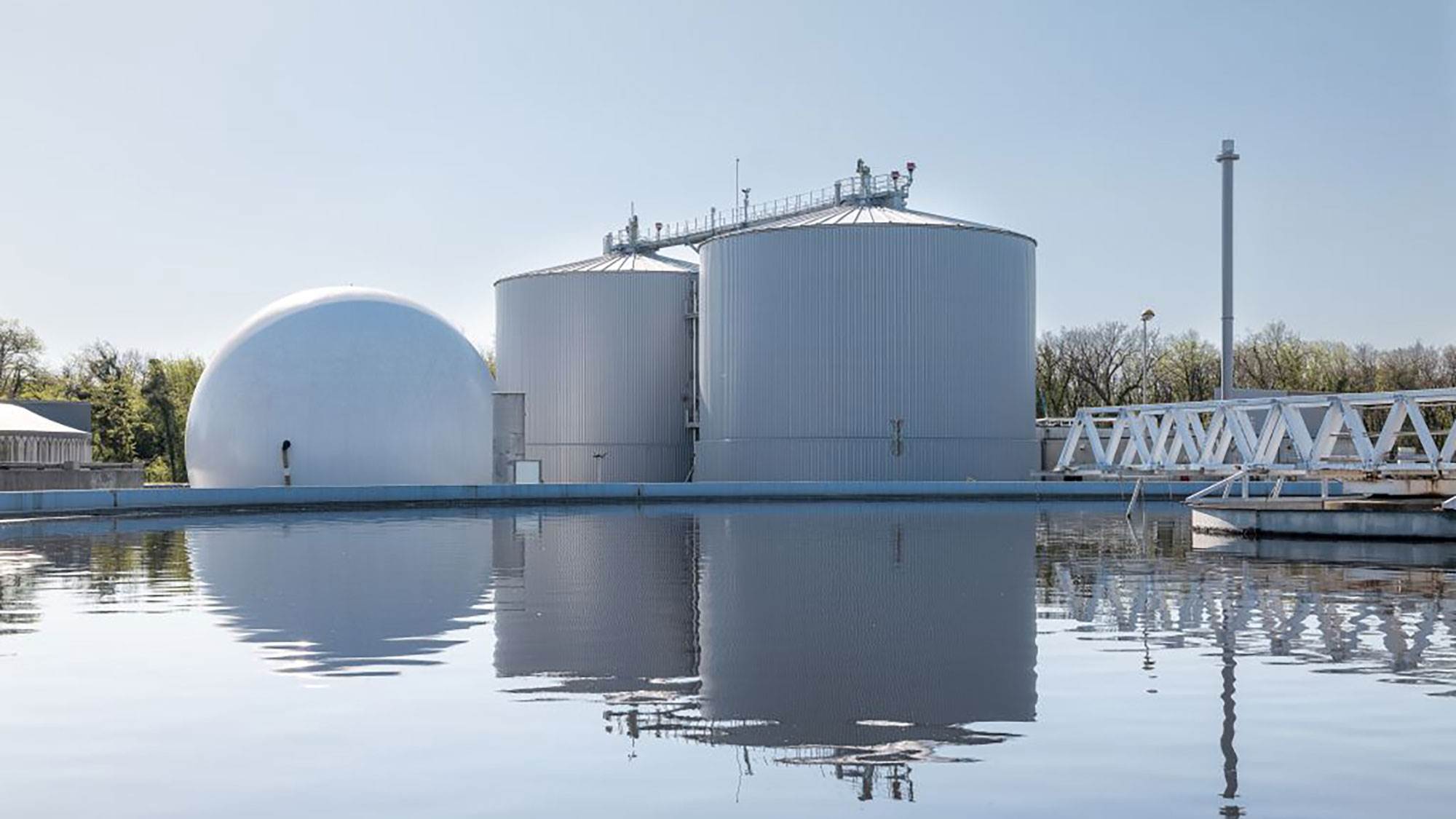
The Pau-Lescar "Biofactory," which we operate, is a pioneering plant producing 10 green resources and energy sources. It is the first wastewater treatment plant to be equipped with our Dehydris® Ultra hydrothermal carbonization process, which reduces sludge volume by a factor of four, boosts biogas production, and generates a new resource, biocoal, which can be used for combustion or applied to soils. It is also the first wastewater treatment plant to recover 100% of the CO₂ produced by the methanization of sludge. This new facility, which will prevent the emission of 5,000 tons of CO2 per year, contributes to the Agglomeration Community's strategy to achieve carbon neutrality by 2040.

Frequently Asked Questions
Energy from sewage waste comes primarily from the production of biogas, a renewable gas created when wastewater sludge breaks down in oxygen‑free systems. During this process, microorganisms convert organic waste into methane‑rich biogas, which can be used to generate power, heat, or fuel. Modern wastewater facilities capture this methane gas through advanced recovery systems, turning sewage sludge into a valuable energy resource. This reduces emissions, lowers operating costs, and transforms traditional waste into a sustainable energy system.
Electricity is generated from wastewater by capturing biogas produced during the treatment of sewage sludge. In anaerobic systems, bacteria break down organic waste, releasing methane gas. This methane is then fed into combined heat and power (CHP) units or renewable gas systems that convert it into usable electricity. Many wastewater treatment facilities now operate full energy recovery systems, allowing them to produce clean power, reduce emissions, and improve the efficiency of their water and waste systems. This process turns everyday wastewater into a reliable renewable energy source.
Biogas plants are generally safe facilities when designed and operated with proper systems for gas handling, methane monitoring, and emissions control. Because biogas contains methane, a flammable gas, these systems must include leak detection, ventilation, and pressure‑controlled recovery systems. Modern biogas facilities follow strict engineering standards to manage sludge, waste, and gas safely. When operated correctly, the risks are low, and the benefits, renewable power, reduced waste, and lower emissions, far outweigh potential hazards.
Anaerobic digestion can be divisive because communities and industries often debate the balance between waste recovery, biogas production, and perceived risks related to methane gas and emissions. Supporters highlight that anaerobic digestion transforms wastewater sludge and organic waste into renewable biogas, enabling power recovery systems that reduce environmental impact. Critics, however, may raise concerns about gas system safety, odors, or the location of facilities. Despite differing opinions, anaerobic digestion remains one of the most effective systems for sustainable waste, water, and energy recovery.