- Integrated insight
- Predict risks early
- Stronger coasts
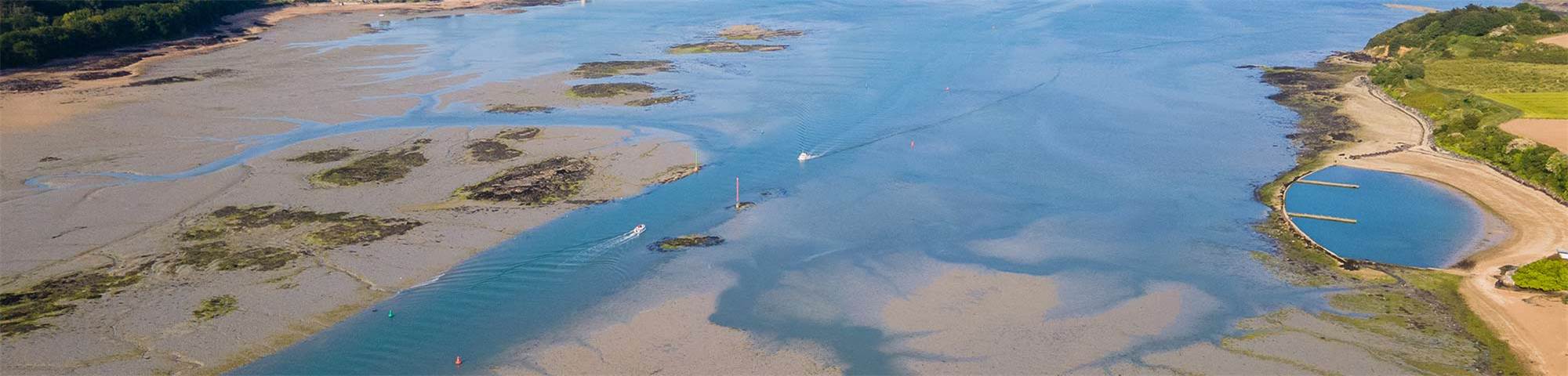
Integrated technologies to protect coastal water quality and resilience
Protecting coastal waters means understanding what happens from city streets to the shoreline. We combine real-time monitoring, smart urban drainage and connected data to help you anticipate risks, meet regulations and safeguard ecosystems with clear, actionable insights.
As a coastal water manager, municipality, or operator, you want a clear, reliable way to protect water quality, comply with regulations, and anticipate risks, without juggling disconnected tools. Safeguarding coastal environments today requires an integrated approach that combines monitoring, smart urban drainage, and accessible data. That’s exactly how we support you with Aquadvanced® water ways, Aquadvanced® urban drainage, and eRIS data hub working together.
We help you understand what is happening along your coastline and upstream, in real time and over the long term. With Aquadvanced® water ways, we combine field sensors, advanced laboratory tools, and predictive models to continuously monitor water quality, stormwater discharges, and environmental conditions. Solutions such as GenSpot deliver fast, precise insights into sanitary water quality, helping you protect swimmers, ecosystems, and biodiversity with confidence.
Urban runoff and drainage play a critical role in coastal health. That’s why Aquadvanced® urban drainage is tightly integrated with coastal surveillance. Through real-time monitoring and predictive analytics, we help you anticipate pollution events, manage stormwater more effectively, and reduce the impact of heavy rainfall and flooding on marine environments. By connecting drainage networks to environmental forecasting, you can move from reactive responses to proactive, resilient planning.
To make all this information easy to use, we bring your data together through a single, connected view with eRIS data hub. The platform links directly to your existing systems, water quality sensors, hydrological models, operational platforms, and manual inputs, without duplicating data or building complex infrastructures. You can visualize trends, track key indicators, and generate clear dashboards and reports that support both day-to-day operations and regulatory compliance.
Together, Aquadvanced® urban drainage, Aquadvanced® water ways, and eRIS data hub work as one. Predictive models hosted on operational platforms run 24/7 to forecast short-term sanitary risks and guide long-term improvement strategies. Data flows seamlessly between monitoring tools, drainage management, and reporting systems, giving you a reliable foundation for decision-making. Whether you are a technical expert or a non-specialist, you access clear, actionable insights tailored to your needs.
As your partner, we help you meet increasingly strict environmental regulations, improve transparency, and strengthen coastal resilience. By turning complex data into practical intelligence, we enable you to protect coastal waters today while building sustainable, climate-ready solutions for the future.
They trust us
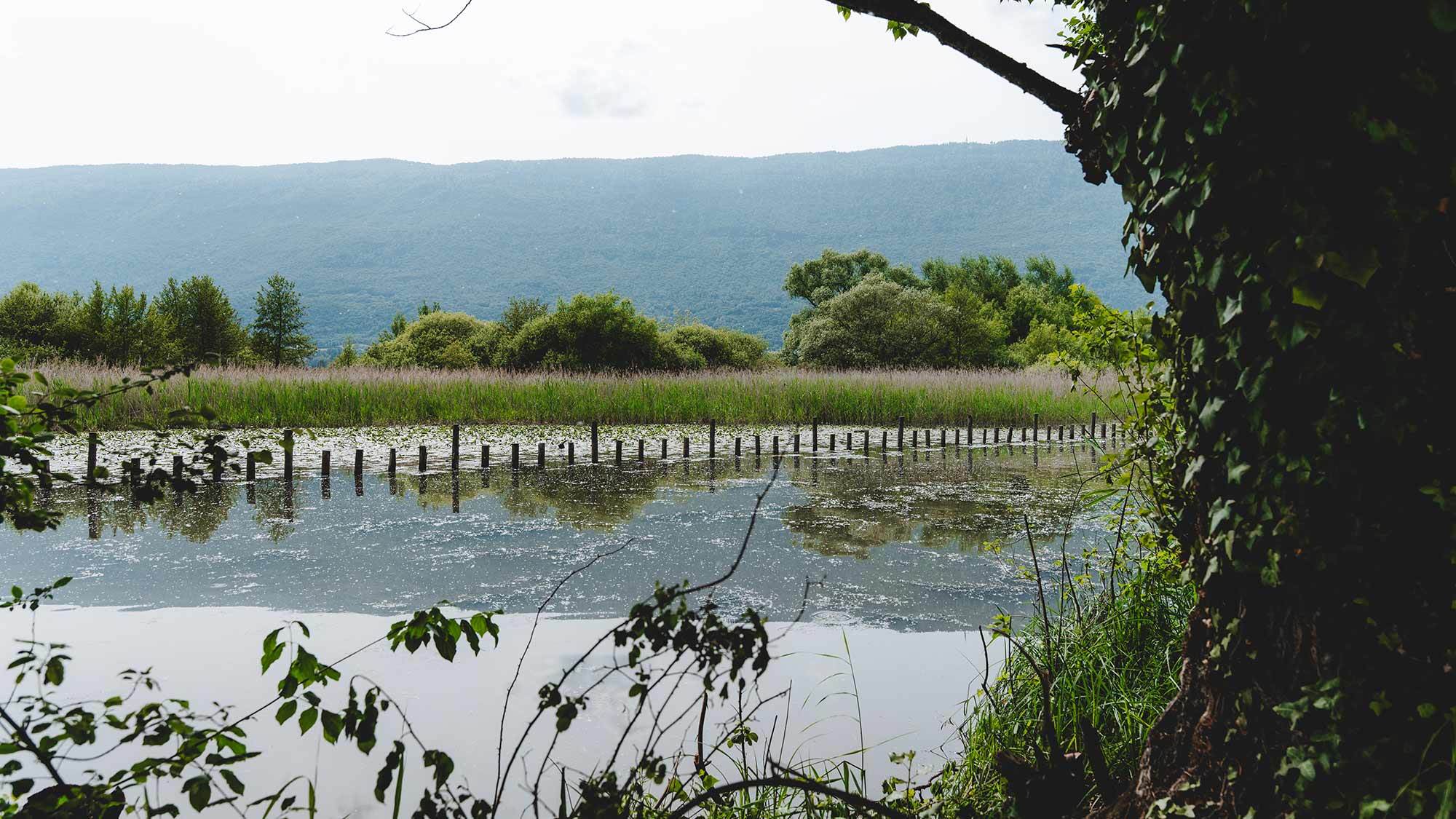
Biarritz, southwest France
Anticipating and managing coastal health risks through GenSpot services for 20 years
From mid-May to the end of September, every day, at 4 am, the agents collect samples of seawater in the bathing zone and the mouth of the rivers. A race against time begins along the Basque coast, there are 34 bathing sites and 10 rivers to supervise; the sampling plan depends on meteorological conditions. The most vulnerable zones are daily sampled.
The samples arrive at the laboratory at 5 am to be analyzed rapidly using the specific method of molecular biology gen-spot. Meanwhile, an oceanographer forecaster checks the situation: the proper functioning of the sewerage networks, the weather forecasts, the specific local models' results which represent coastal water quality from the day before, real-time and forecasts hour after hour for the day. Once the analysis results are received, they take them into consideration along with other indicators of water quality and publish advice with the risk level hour per hour for the day, as well as a brief comment on the situation.
- An email is automatically transferred to the public services managers so that they can inform the beach lifeguards.
- Beach lifeguards raise the flags whose color depends on the levels of risk during the monitoring period
- Public service managers inform the public by mobile application which includes the beach situation and provides an indication of water quality.

Haliotis 2, the wastewater treatment plant of tomorrow, protects the Mediterranean
We are in charge of the project to modernize Haliotis, a wastewater treatment and recovery complex in the Nice Côte d'Azur Metropolis.
Called Haliotis 2, the new wastewater treatment plant is the largest project of its kind in France and one of the most ambitious in Europe (gradual commissioning from 2025 to 2030). Designed to meet climate challenges, it will implement state-of-the-art wastewater treatment, with a 90% elimination of microplastics. A real resource plant, it will recover sewage sludge to produce 43 GWh of biomethane per year and will reuse 5 million m³ (1.32 billion gallons) of treated wastewater for watering and urban cleaning. Its integrated architecture will promote biodiversity, reduce nuisance, and make Haliotis 2 a model of ecological transition that protects the Mediterranean.

Protecting coastlines by harnessing ecosystems
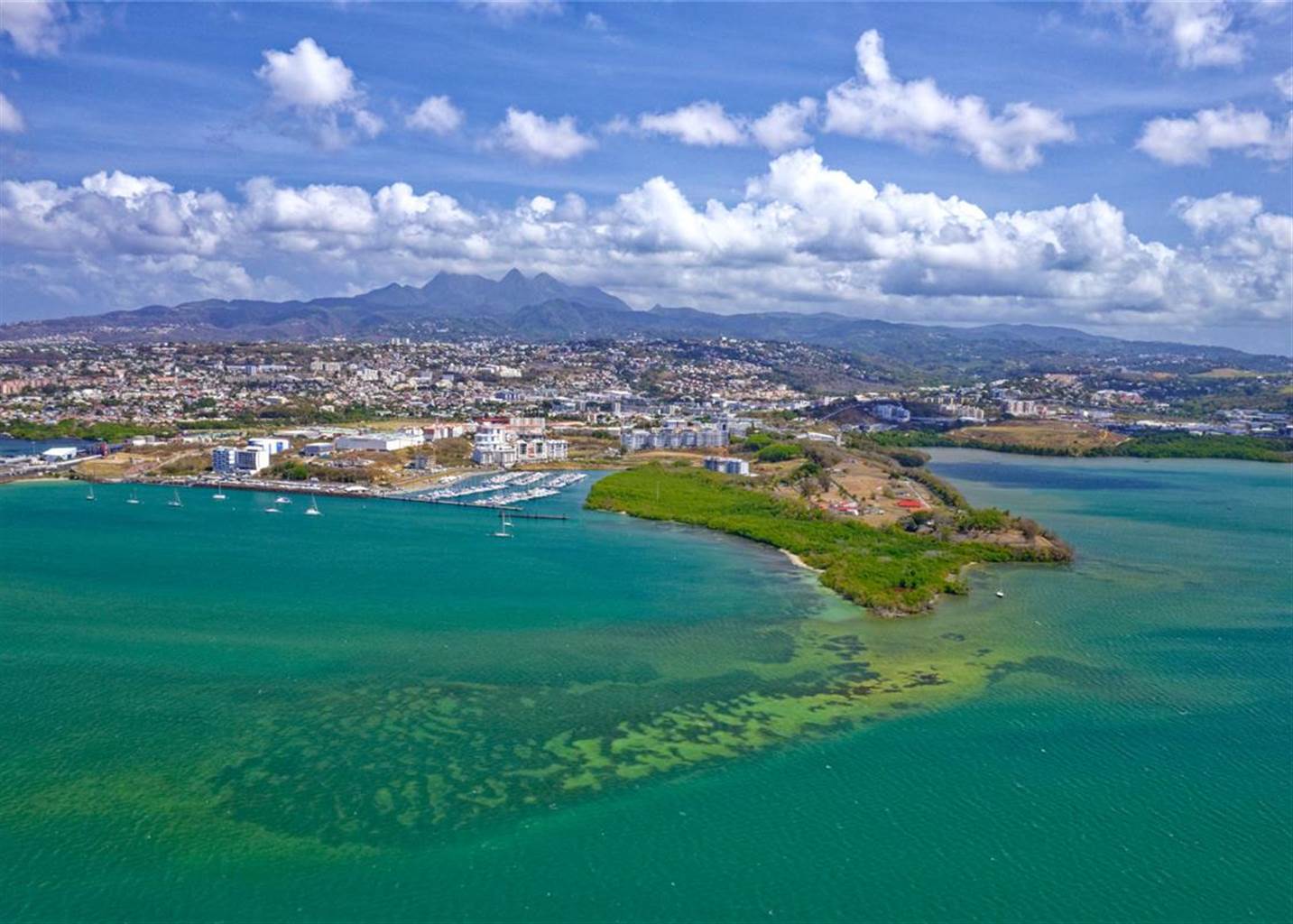
In Martinique, by preserving the coastline through the extension of the mangrove we are supporting the Communauté d'Agglomération du Centre de la Martinique (CACEM) in an innovative project to extend the mangrove, near the marina of Étang Z'Abricots. This will act as a natural bulwark against rising sea levels and storms.
This initiative, part of the European integrated Life project ARTISAN, demonstrates the effectiveness of nature-based solutions to strengthen the resilience of coastal communities, while promoting biodiversity.
Frequently Asked Questions
Coastal water quality is essential for protecting coastal waters, beach health, marine ecosystems, and shellfish safety. High‑quality water in coastal areas supports public health, reduces pollution, and ensures that EPA‑based monitoring programs can accurately track changes in water quality.
Strong coastal water quality also protects growing marine communities, supports beach programs, and ensures that sampling data can be used to guide monitoring and support decisions. Clean coastal waters are vital for shellfish harvesting, marine life, and the overall health of our ocean environments. When pollution enters coastal waters, it affects water quality, beach safety, and the long‑term health of marine ecosystems.
Maintaining strong coastal water quality ensures that EPA programs, sampling data, and monitoring efforts can continue to protect our waters and support growing coastal communities.
Ocean pollution remains a growing global concern, affecting water quality, marine health, and coastal waters worldwide. Current data from monitoring programs, EPA‑based sampling, and international ocean research show that pollution levels continue to rise due to plastics, runoff, and untreated waters entering the ocean.
This pollution impacts marine ecosystems, shellfish safety, beach health, and overall water quality. Many coastal regions rely on monitoring, sampling, and support programs to track ocean pollution and protect marine life. As pollution increases, so does the need for stronger water quality protections, expanded coastal monitoring, and more data‑based decision‑making.
The situation is serious, but ongoing EPA programs, coastal water quality monitoring, and marine support initiatives are helping communities respond to this growing challenge.
Preserving marine ecosystems requires strong water quality protection, reduced pollution, and consistent coastal monitoring. Effective preservation depends on EPA‑supported programs, sampling data, and ocean monitoring that help identify threats to marine life, shellfish, and coastal waters.
Communities can protect marine ecosystems by reducing pollution, improving coastal water quality, and supporting beach programs that focus on water monitoring and data‑based decision‑making. Healthy marine ecosystems rely on clean waters, strong water quality standards, and ongoing support for conservation programs.
By investing in monitoring, expanding sampling, and reducing pollution, we can protect marine habitats and ensure the long‑term health of our ocean environments.
We need to protect the oceans because they are essential to global water quality, marine health, and the stability of coastal waters. The ocean supports growing ecosystems, provides habitat for shellfish and marine species, and influences beach health and climate systems.
Protecting the ocean means reducing pollution, improving water quality, and supporting EPA‑based monitoring programs that track changes in coastal waters. Strong monitoring, sampling, and data‑driven programs help identify threats and guide support for conservation.
Healthy oceans ensure clean water, thriving marine life, and safe beach environments. By reducing pollution and strengthening coastal water quality protections, we safeguard the long‑term health of our waters and the growing communities that depend on them.